How to Adjust Status After Working Without Authorization
August 1, 2025
Working without authorization can have serious consequences for your immigration status. However, there are options available for adjusting your status even after unauthorized work.
At Law Offices of Jeffrey A. Thompson, we understand the complexities of working without authorization and adjustment of status. This guide will explore your options and provide practical steps to help you navigate this challenging situation.
Understanding Unauthorized Work and Its Consequences
Definition of Unauthorized Work
Unauthorized work encompasses any employment performed without proper legal permission in the United States. This includes working without a valid work permit, engaging in activities beyond the scope of your visa, or working after your authorized stay has expired.
Legal Implications for Immigration Status
Working without authorization can severely impact your immigration status. It’s a direct violation of U.S. immigration laws and can lead to a range of consequences. These may include denial of future visa applications, deportation proceedings, and bars on re-entry to the United States.
We’ve observed numerous cases where individuals unknowingly jeopardized their immigration status through unauthorized work. It’s essential to understand that even short-term or informal employment can have long-lasting effects on your ability to remain in or return to the U.S.
Potential Penalties and Risks
The risks associated with unauthorized work extend beyond immigration consequences. Employers who knowingly hire unauthorized workers face hefty fines and potential criminal charges. For the workers themselves, the penalties can be severe:
- Accrual of Unlawful Presence: Unauthorized work can lead to the accumulation of unlawful presence, which may trigger 3-year, 10-year, or permanent bars from entering the U.S. (depending on the duration of the violation).
- Loss of Benefits: Unauthorized work can result in the loss of certain immigration benefits, including the ability to adjust status or extend your stay in the U.S.
- Difficulty in Future Immigration Processes: Even if you’re not immediately deported, unauthorized work can create significant hurdles in future immigration applications, potentially affecting your ability to obtain visas or green cards.

Potential penalties and risks include the INA 245(c)(2) bar, which applies to unauthorized employment prior to filing the adjustment application.
The Importance of Proper Documentation
Maintaining proper documentation is key to avoiding unauthorized work. This includes keeping your I-94 record up to date, ensuring your passport remains valid, and understanding the specific work restrictions associated with your visa category.
Navigating the Complexities
The intricacies of work authorization and immigration law can overwhelm many individuals. Each case presents unique challenges and requires careful consideration. As we move forward, we’ll explore the options available for those who find themselves in the difficult position of adjusting status after unauthorized work.
Pathways to Legal Status After Unauthorized Work
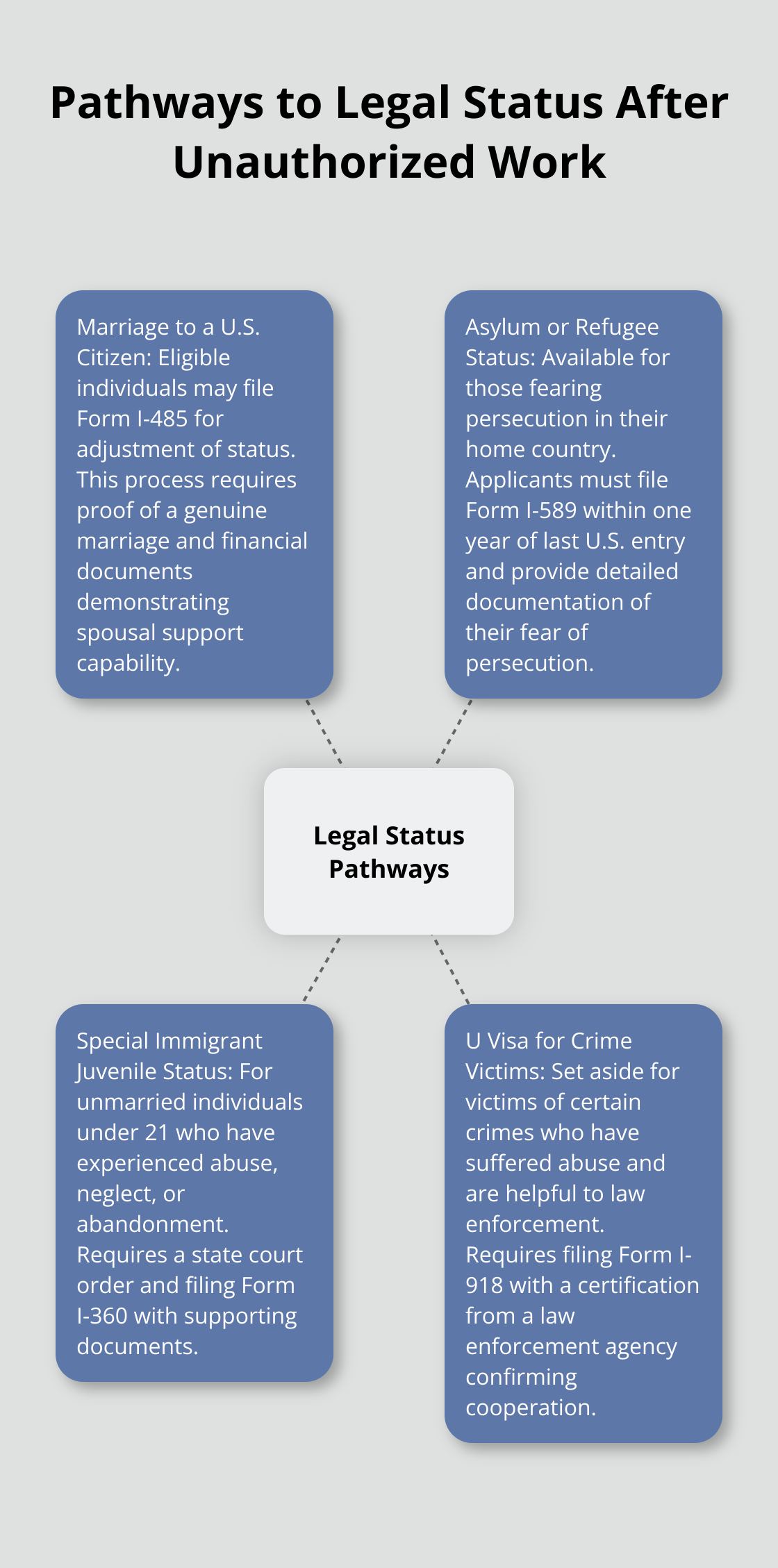
Marriage to a U.S. Citizen
Marriage to a U.S. citizen offers a potential route for status adjustment. Individuals who are eligible for adjustment of status may file Form I-485. The process involves submitting the necessary forms and providing evidence of eligibility, including proof of the genuine marriage and financial documents demonstrating spousal support capability.
Asylum or Refugee Status
Individuals who fear persecution in their home country due to race, religion, nationality, membership in a particular social group, or political opinion may qualify for asylum or refugee status. This path allows for status adjustment regardless of previous unauthorized work. The application process requires filing Form I-589 within one year of the last U.S. entry. Applicants must submit detailed documentation of their fear of persecution.
Special Immigrant Juvenile Status
Special Immigrant Juvenile Status (SIJS) provides a path to lawful permanent residence for unmarried individuals under 21 who have experienced abuse, neglect, or abandonment by one or both parents. This status requires a state court order declaring that reunification with one or both parents is not possible due to these circumstances. The application process involves filing Form I-360 (Petition for Amerasian, Widow(er), or Special Immigrant) along with the state court order and supporting documents.
U Visa for Victims of Certain Crimes
U nonimmigrant status (U visa) is set aside for victims of certain crimes who have suffered mental or physical abuse and are helpful to law enforcement. This visa can lead to lawful permanent residence and remains available regardless of previous unauthorized work. The application process requires filing Form I-918 (Petition for U Nonimmigrant Status) with a certification from a law enforcement agency confirming cooperation.
Navigating Complex Processes
Each pathway to legal status presents unique challenges and requirements. Professional legal guidance often proves invaluable in these complex situations. Immigration attorneys (such as those at Law Offices of Jeffrey A. Thompson) possess the expertise to assess individual circumstances and recommend the most appropriate course of action. Their knowledge of immigration law intricacies can significantly improve the chances of a successful outcome.
As we move forward, we will explore the specific steps involved in adjusting status, including the necessary documentation and potential challenges applicants may face during the process.
Navigating the Status Adjustment Process
Consult an Experienced Immigration Attorney
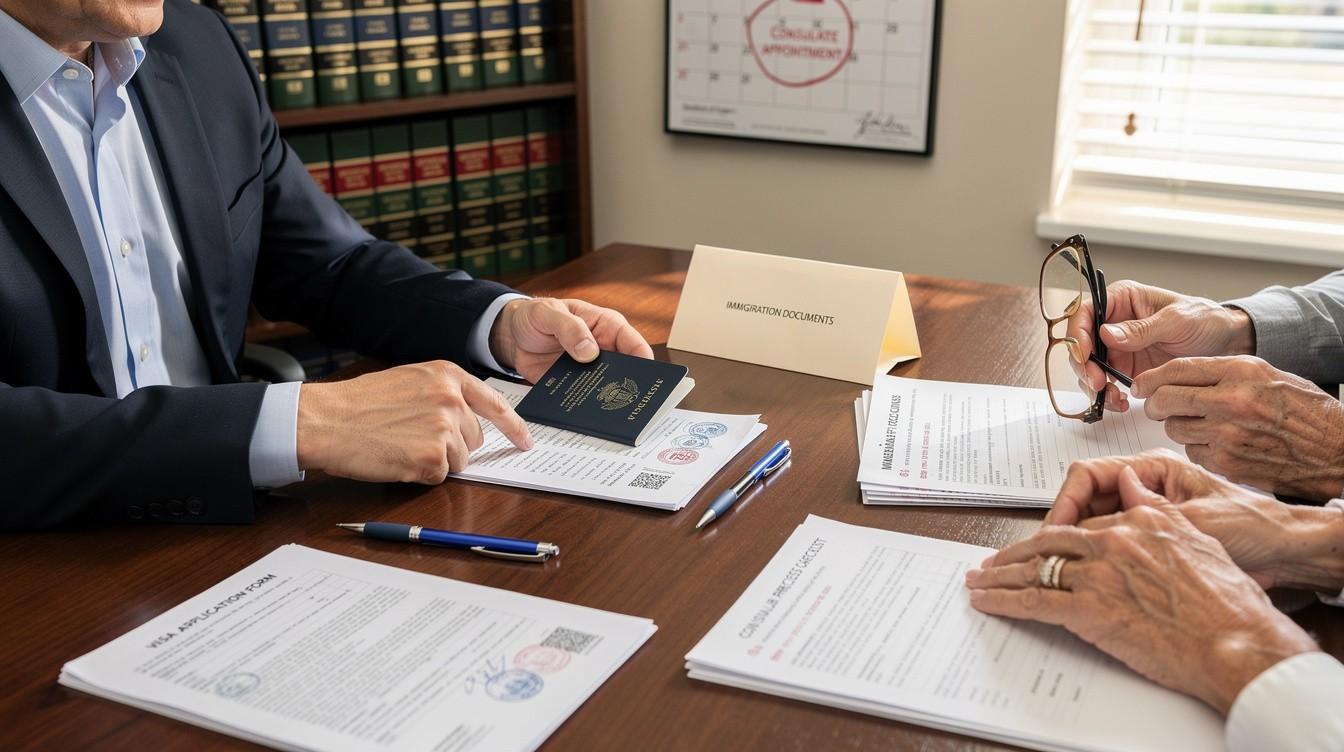
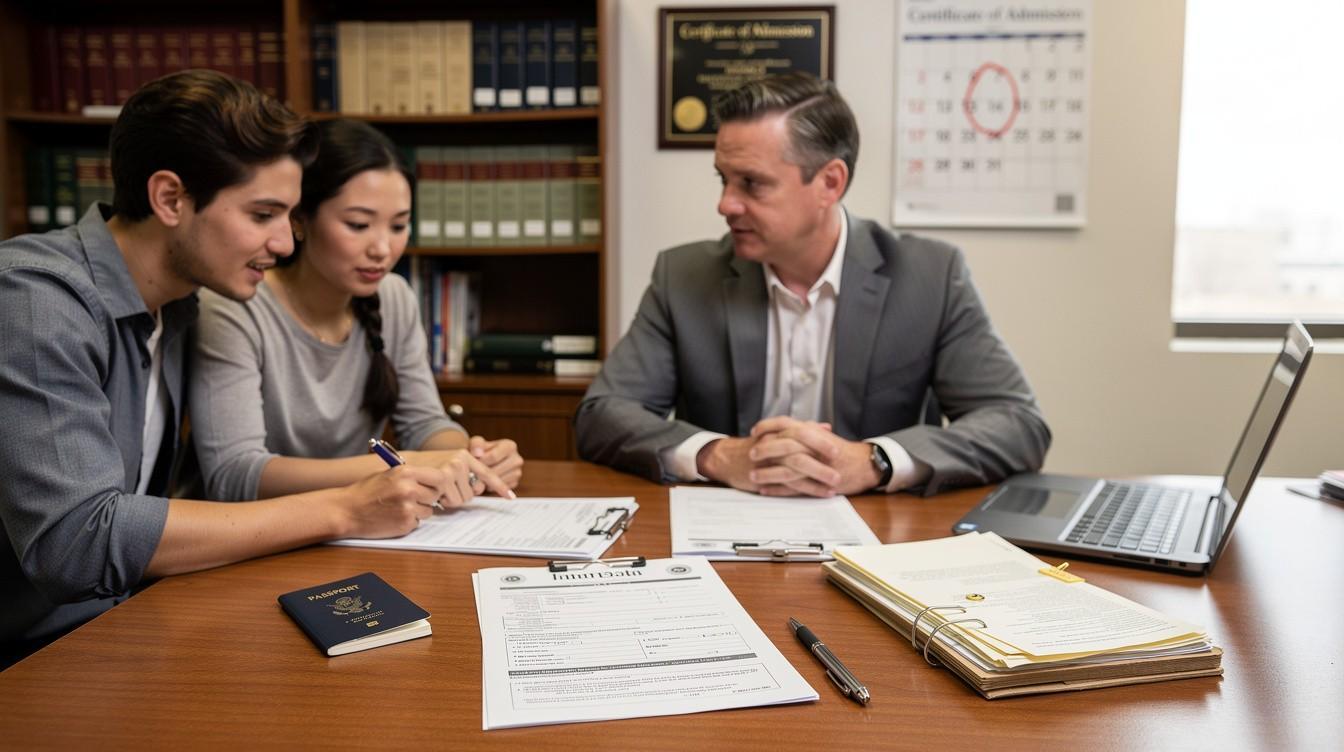
The first step in adjusting your status after unauthorized work involves consulting an experienced immigration attorney. An attorney can assess your specific situation, identify potential issues, and develop a tailored strategy for your case.
To find legal services, the American Bar Association provides information about finding an attorney in your state.
Immigration law changes frequently. In 2022, USCIS implemented 65 policy changes affecting various aspects of immigration procedures. A knowledgeable attorney stays current with these changes and applies them to benefit your case.
Compile Comprehensive Documentation
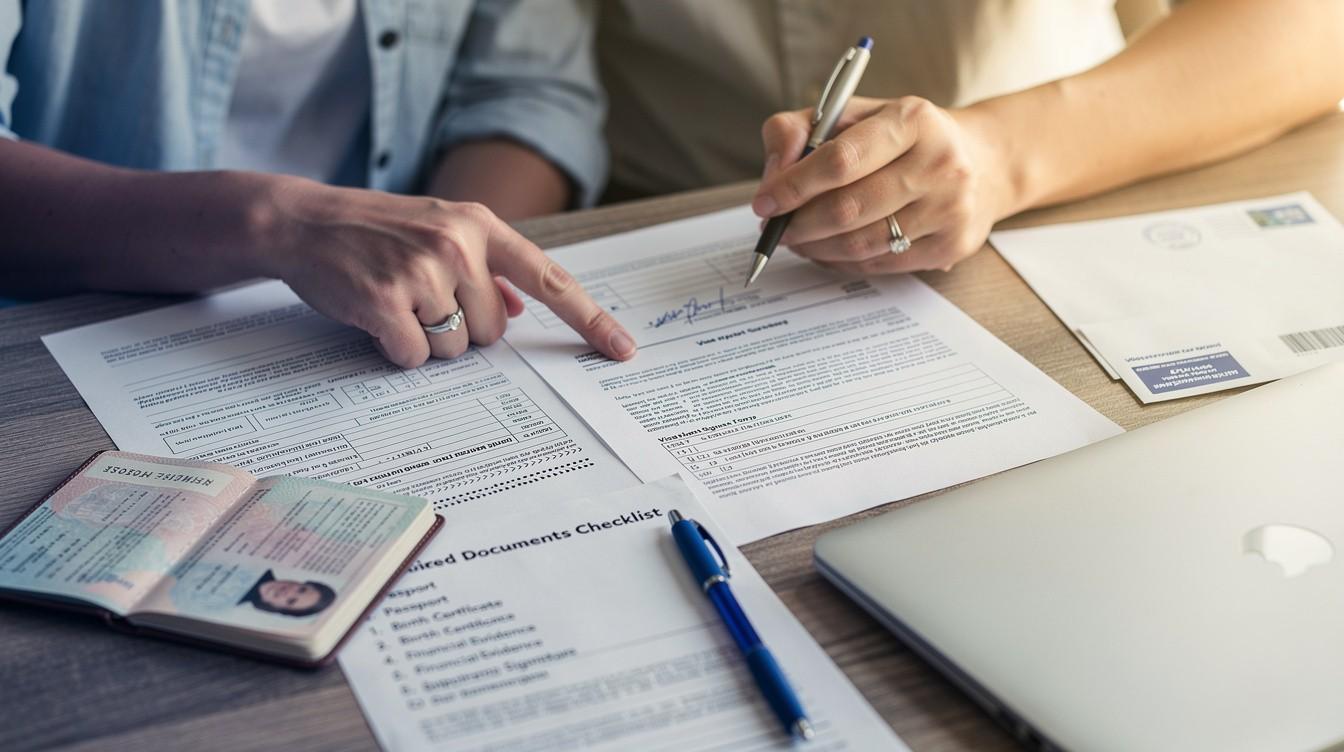
Gathering necessary documentation forms a critical phase of the adjustment process. This step requires meticulous attention to detail. You typically need:
- Proof of identity (passport, birth certificate)
- Evidence of U.S. entry (I-94 record, visa stamps)
- Documentation of current immigration status
- Proof of eligibility for the specific adjustment category
- Evidence of continuous physical presence in the U.S.
- Financial documents (tax returns, pay stubs)
- Documents related to criminal history (if applicable)

The specific documents required can vary based on your individual circumstances and the adjustment pathway you pursue.
Submit a Complete and Accurate Application
Filing the appropriate forms with USCIS constitutes a crucial step. The primary form for adjustment of status is Form I-485, but additional forms may prove necessary depending on your situation. These might include Form I-130 (Petition for Alien Relative) or Form I-360 (Petition for Amerasian, Widow(er), or Special Immigrant).
Accuracy holds paramount importance when filling out these forms. USCIS denies thousands of green card applications due to missing documents, past immigration violations, financial concerns, or background issues. Double-check every entry and consider having your attorney review the forms before submission.
Pay close attention to filing fees and deadlines. As of 2023, the filing fee for Form I-485 stands at $1,140 (plus an $85 biometrics fee). Missing a deadline or submitting incorrect fees can result in rejection or significant delays.
Prepare for USCIS Interactions
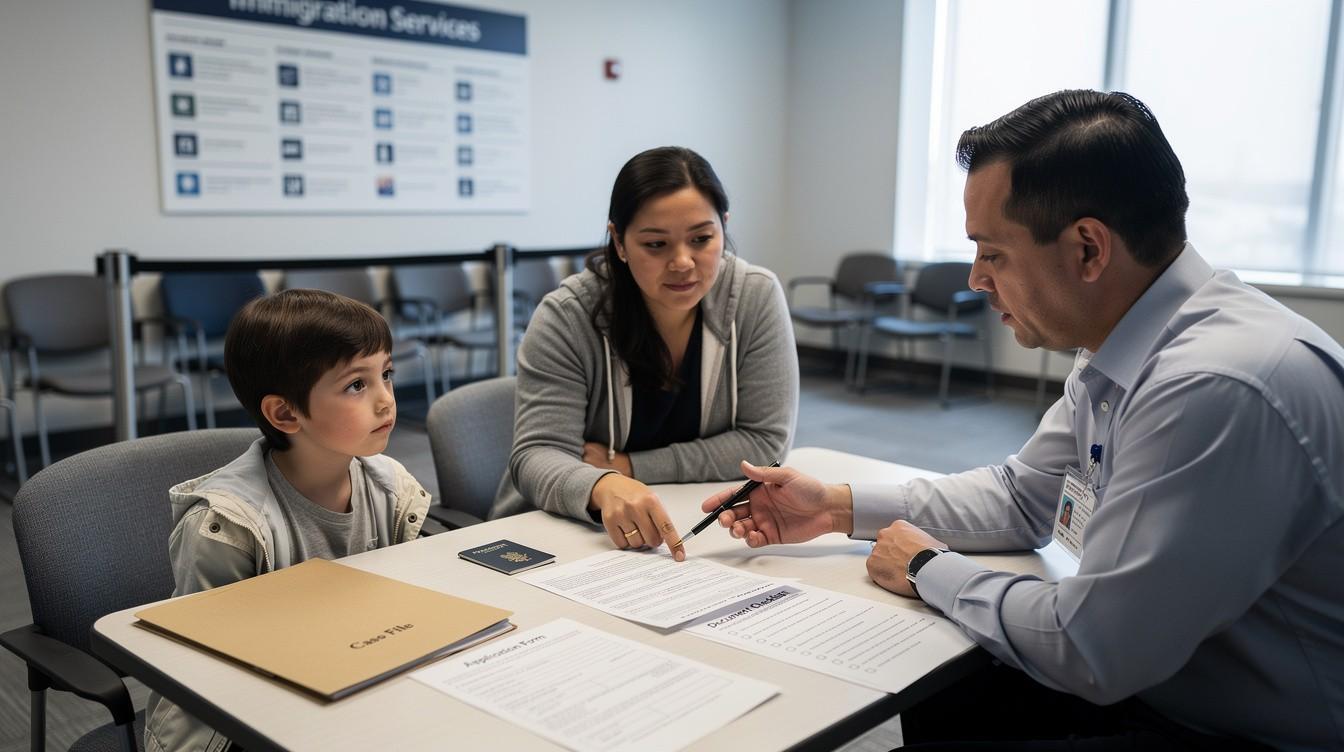
After submitting your application, prepare for potential USCIS follow-ups. This could include requests for additional evidence (RFEs) or an interview. In fiscal year 2022, USCIS conducted over 600,000 adjustment of status interviews.
If you receive an RFE, respond promptly and thoroughly. Provide all requested information and any additional evidence that strengthens your case. For interviews, preparation proves key. Review your application thoroughly and prepare to answer questions about your immigration history, including any unauthorized work.
Throughout this process, maintain open communication with your attorney. They can help you interpret USCIS requests, prepare for interviews, and address any complications that arise.
Final Thoughts
Working without authorization and adjustment of status presents complex challenges. The path to legal status requires careful preparation and expert guidance. Various options exist for those seeking to adjust their status, including marriage to a U.S. citizen, asylum, special immigrant juvenile status, and U visas for crime victims.
The adjustment process demands attention to detail, from gathering documentation to submitting required forms. Each case is unique, and specific requirements vary based on individual circumstances. This highlights the need for professional legal counsel to navigate the intricate landscape of immigration law.
Law Offices of Jeffrey A. Thompson specializes in guiding clients through complex immigration matters (including cases involving unauthorized work and status adjustment). Our experienced team provides knowledgeable legal representation tailored to your specific needs. Don’t let past mistakes deter you from pursuing your American dream; take the first step today by exploring your options for adjusting your status.
Share this post: