What Is Adjustment of Status? Understanding the Process
November 24, 2025
Adjustment of status meaning refers to the process of changing your immigration status while remaining in the United States. This pathway allows eligible individuals to become permanent residents without leaving the country.
We at Law Offices of Jeffrey A. Thompson see many clients who benefit from this streamlined approach. Understanding the requirements and procedures can make the difference between approval and denial.
Who Can Apply for Adjustment of Status
Immediate Relatives Have the Fastest Path
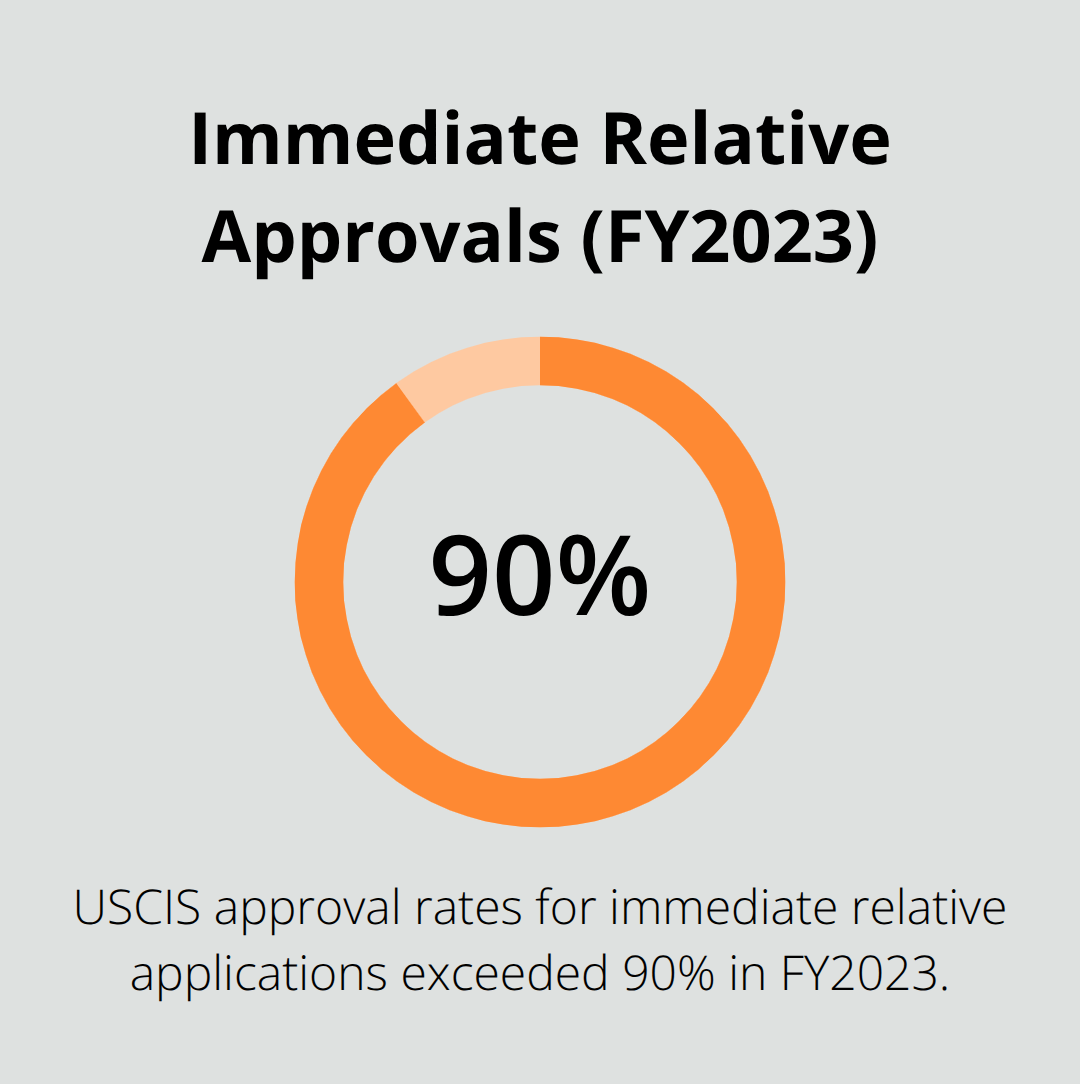
Immediate relatives of U.S. citizens face no visa availability wait periods, which makes them the strongest candidates for adjustment of status. This category includes spouses, unmarried children under 21, and parents of U.S. citizens over 21. USCIS processed over 450,000 immediate relative applications in fiscal year 2023, with approval rates that exceeded 90 percent. Family-based preference categories face longer waits, with some categories from certain countries that experience delays of over 20 years.
Employment-based immigrants must have approved I-140 petitions and current priority dates according to the monthly Visa Bulletin. Workers from India and China face the longest backlogs, with some EB-2 and EB-3 applicants who wait over a decade. Asylees become eligible one year after their asylum grant, while refugees can apply immediately upon arrival.
Employment Categories Face Significant Backlogs
Special immigrant categories, which include religious workers and Afghan and Iraqi translators, also qualify for adjustment. The per-country limits create substantial delays for applicants from high-demand countries. India-born EB-2 professionals currently wait approximately 8-10 years, while China-born applicants face similar delays. These backlogs force many skilled workers to maintain temporary status for extended periods.
Adjustment Offers Clear Advantages Over Consular Processing
Adjustment of status provides significant advantages over consular processing at U.S. embassies abroad. Applicants remain in the United States throughout the process, which avoids family separation and maintains employment authorization. Consular processing requires applicants to leave the U.S., which triggers potential unlawful presence bars that can block reentry for three to ten years.
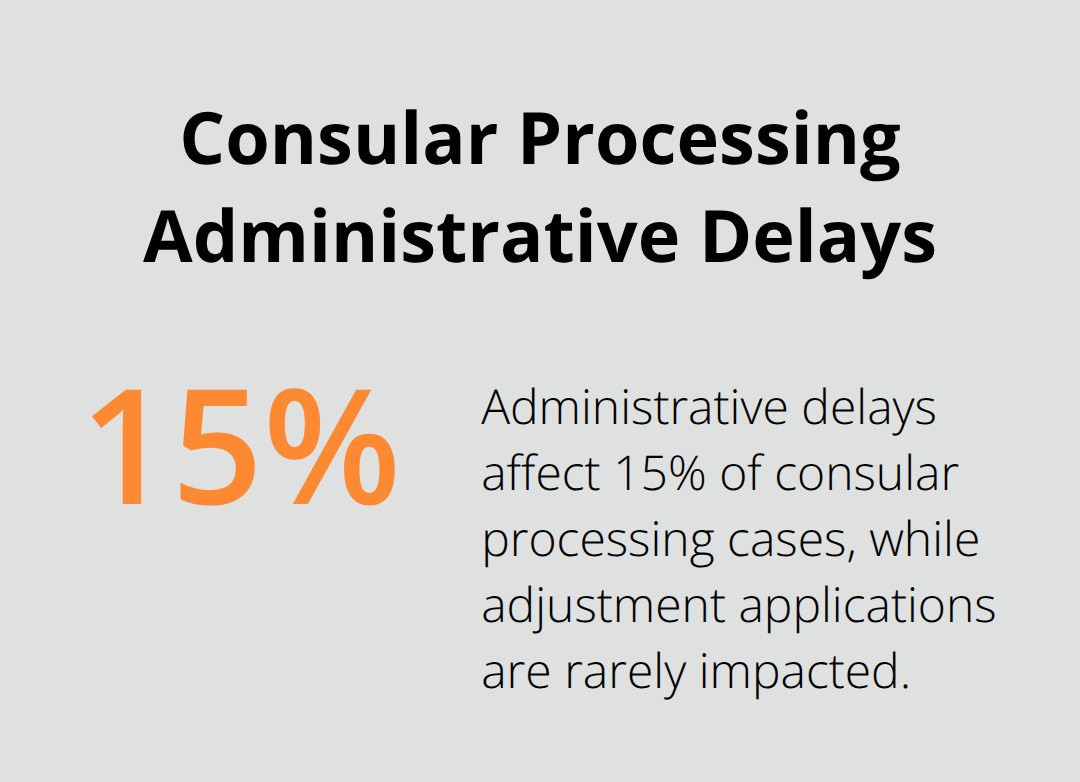
The National Visa Center reports that consular processing cases average 12-18 months, while adjustment of status applications typically process within 8-14 months (depending on the field office). Administrative delays affect 15 percent of consular cases but rarely impact adjustment applications. This protection becomes especially valuable when immigration policies change unexpectedly.
The next step involves understanding the specific forms and documentation requirements that make or break your adjustment application.
What Documents Do You Need for Adjustment of Status?
Form I-485 Requires Extensive Supporting Evidence
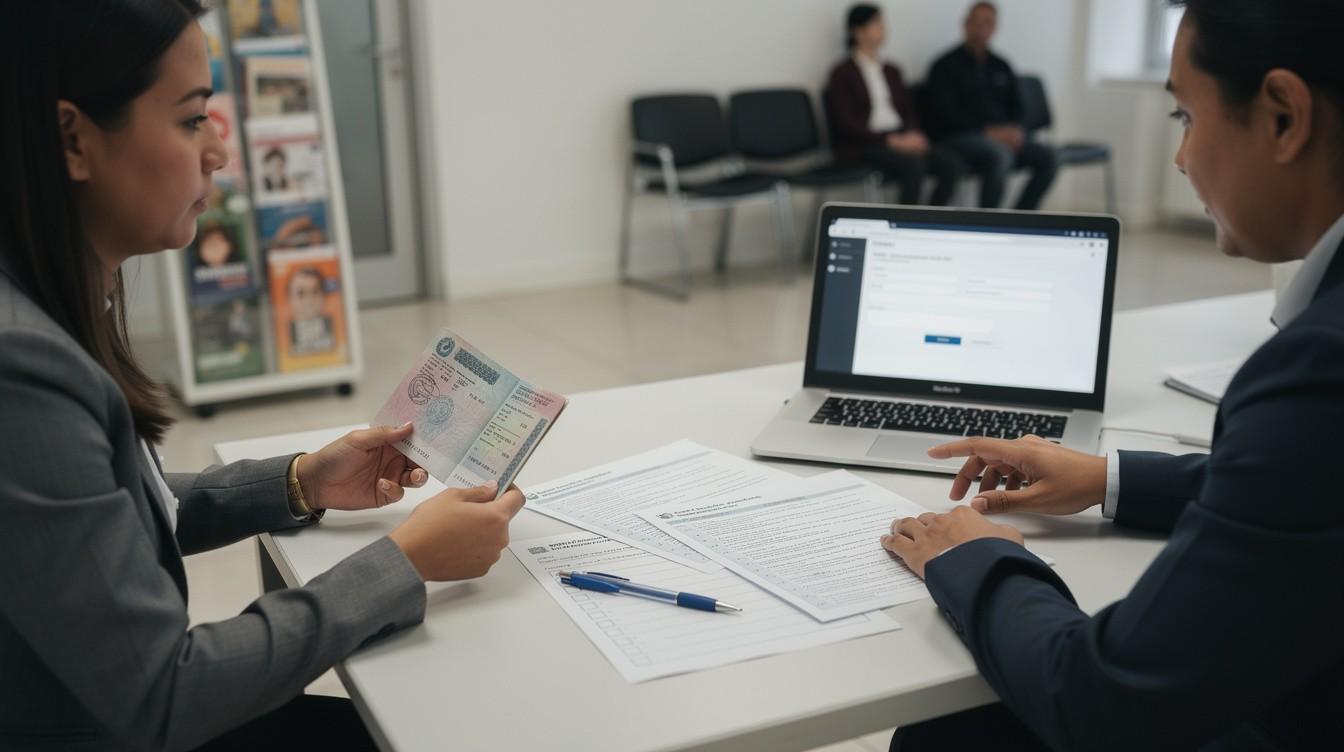
Form I-485 serves as the cornerstone document, but successful applications demand extensive supporting evidence that varies by category. Family-based applicants must provide marriage certificates, birth certificates, and proof of bona fide relationships through joint bank statements, leases, and tax returns. Employment-based cases require approved I-140 petitions, current job letters, and pay stubs that cover the past six months.
The medical examination report from a USCIS-approved civil surgeon costs between $200-500 and expires after two years if not submitted within 15 months of completion. Tax returns for the past three years prove financial stability, while police clearance certificates from countries where applicants lived for more than six months after age 16 address criminal background checks.
USCIS Processing Times Fluctuate Dramatically
USCIS processing times vary dramatically based on field office workloads and case complexity. The National Benefits Center currently processes family-based I-485 applications with varying timeframes, while employment-based cases take 8-13 months according to recent USCIS data. Concurrent filing saves months when visa numbers are current (this allows I-485 submission alongside I-130 or I-140 petitions).
Missing the 60-day window after priority date advancement forces applicants to wait for the next bulletin update. Fee structures range from $1,140 for applicants under 14 to $1,440 for adults, with biometrics appointments scheduled 4-8 weeks after filing.
Interview Preparation Determines Application Success
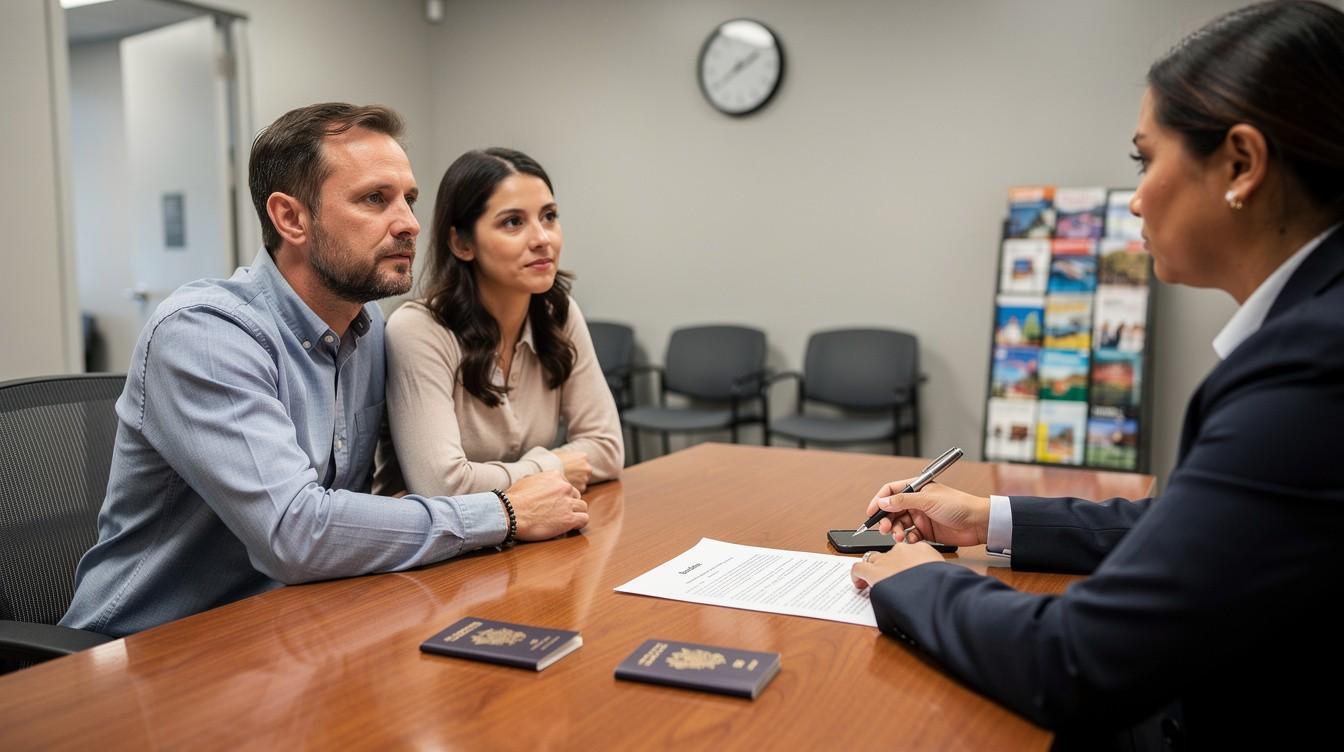
USCIS officers conduct interviews for adjustment cases, with heavy focus on marriage-based applications to detect fraud. Officers ask detailed questions about daily routines, household responsibilities, and personal histories that catch unprepared couples off-guard. Successful preparation involves reviewing the entire application packet and organizing original documents in chronological order (practice responses to common questions about relationship timelines).
Employment-based interviews concentrate on job duties, salary details, and company legitimacy. The 20-25 minute interview format leaves little room for lengthy explanations, which makes concise, truthful answers essential for approval.
Even with perfect documentation and preparation, many applicants face unexpected challenges that can derail their cases without proper legal guidance.
What Complications Derail Adjustment Cases
Inadmissibility Grounds Stop Most Applications Cold
Inadmissibility issues create the most devastating complications that applicants face during adjustment of status. Criminal convictions, immigration violations, and health conditions trigger automatic bars that require waivers to overcome. USCIS processes thousands of I-485 applications annually, with inadmissibility creating significant barriers for many applicants according to agency statistics.
Unlawful presence triggers three-year bars for stays of 180-365 days and ten-year bars for stays that exceed one year. Applicants with DUI convictions face moral turpitude challenges, while drug-related offenses create permanent inadmissibility without available waivers. The solution involves comprehensive criminal background checks before you file and consultation with immigration attorneys who specialize in waiver applications when violations exist.
Document Deficiencies Generate Costly Requests for Evidence
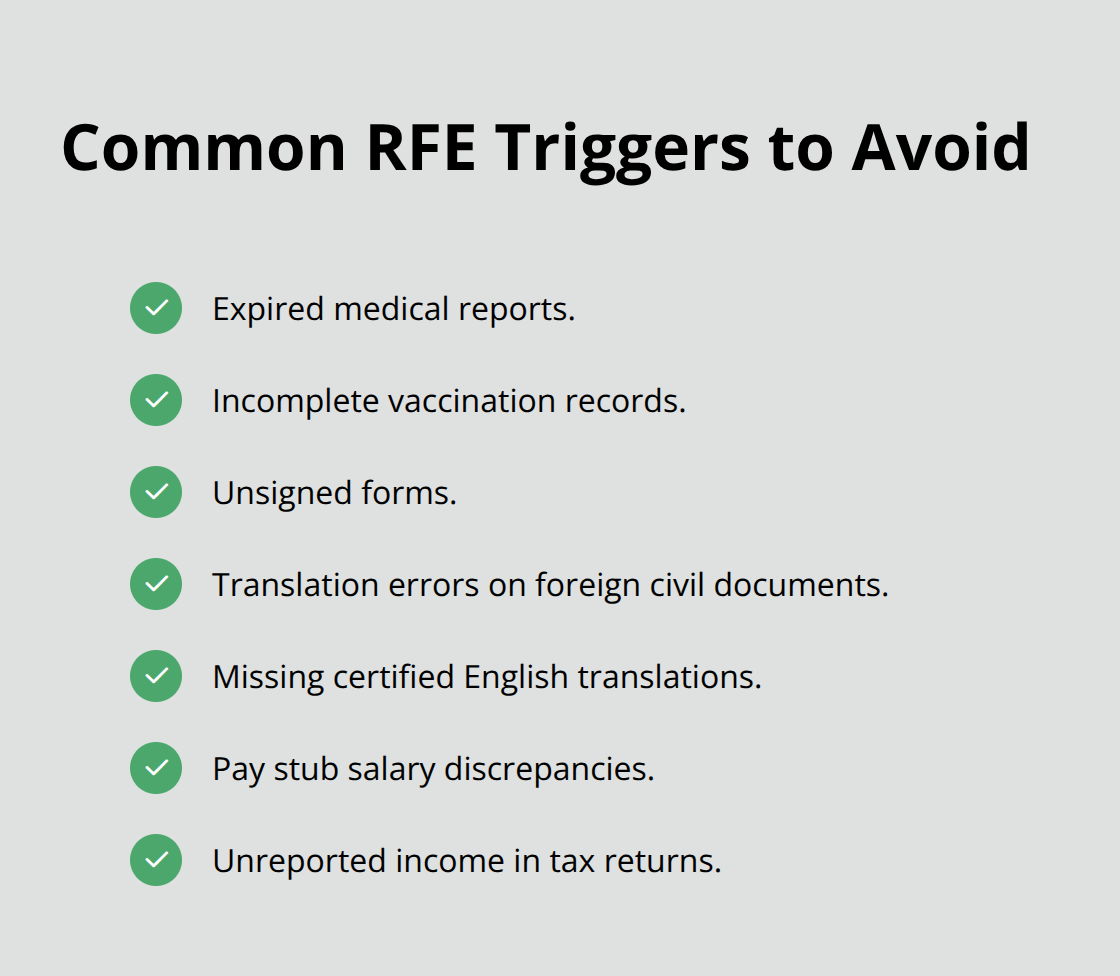
Missing or incorrect documentation generates Request for Evidence notices that delay cases by 3-6 months and cost thousands in attorney fees. USCIS issues RFEs for adjustment applications, with medical examination problems that account for a significant portion of these requests.
Expired medical reports, incomplete vaccination records, and unsigned forms trigger automatic RFEs that force applicants to repeat the entire medical process. Translation errors cause document rejections, especially for foreign birth certificates and marriage records that lack certified English translations (financial evidence problems plague employment-based cases when pay stubs show salary discrepancies or tax returns reveal unreported income).
Processing Delays Create Additional Complications
Smart applicants submit comprehensive evidence packages upfront rather than respond to RFEs that extend processing times significantly. Denials after RFE responses reach higher rates compared to complete initial filings, which demonstrates the importance of thorough preparation from the start.
Field office backlogs compound these delays, with some locations that process cases slower than national averages. Priority date retrogression affects employment-based applicants who face sudden unavailability of visa numbers (this forces them to wait months or years for dates to advance again).
Even minor traffic violations during the AOS process can create complications if not properly disclosed and documented, requiring careful attention to reporting requirements.
Final Thoughts
Adjustment of status meaning becomes clear when you understand three fundamental requirements: eligibility through family or employment relationships, complete documentation packages, and successful navigation of USCIS procedures. The process demands precise timing, comprehensive evidence, and strategic preparation that determines approval or denial. Processing times fluctuate between 8-14 months depending on your field office and case complexity.
Missing documents trigger costly RFE delays, while inadmissibility issues create permanent barriers without proper waiver applications. Interview preparation proves especially important for marriage-based cases where USCIS officers scrutinize relationship authenticity. Administrative delays affect approximately 15 percent of cases (which creates additional stress for applicants who wait months for decisions).
We at Law Offices of Jeffrey A. Thompson help clients navigate these complex immigration procedures in Brockton, Massachusetts. Our experience with immigration law helps clients overcome legal hurdles and achieve their American dreams through dedicated representation. Your next step involves gathering required documents, checking visa availability through monthly bulletins, and consulting with qualified immigration attorneys who understand current USCIS policies.
Share this post: