How to Adjust to Permanent Resident Status
December 12, 2025
Receiving your green card marks a major milestone, but adjustment to permanent resident status involves much more than holding the physical document.
We at Law Offices of Jeffrey A. Thompson understand that navigating your new legal status requires practical knowledge about rights, responsibilities, and daily life changes. This guide covers everything from tax obligations to career planning, helping you build a successful future in America.
Understanding Your New Legal Rights and Responsibilities
Legal Rights vs Citizen Rights
Your permanent resident status grants you nearly identical rights to U.S. citizens, with three significant exceptions. You cannot vote in federal elections, serve on federal juries, or hold most federal government positions that require security clearance. However, you can work anywhere in the United States, own property, start businesses, and receive equal protection under all laws. The Social Security Administration reports that permanent residents contribute over $25.7 billion annually in Social Security taxes while they have full access to benefits after they meet standard requirements.
Tax Obligations Begin Immediately
The IRS requires permanent residents to file annual tax returns on all worldwide income, just like U.S. citizens. This obligation begins the moment you receive your green card, regardless of when you entered the country. You must report foreign bank accounts that exceed $10,000 through FBAR filings, and failure to comply results in penalties that start at $12,921 per violation according to current IRS guidelines. Many permanent residents overlook state tax obligations, but 43 states impose income taxes with rates and requirements that vary significantly.
Travel Restrictions Apply More Strictly Than Expected
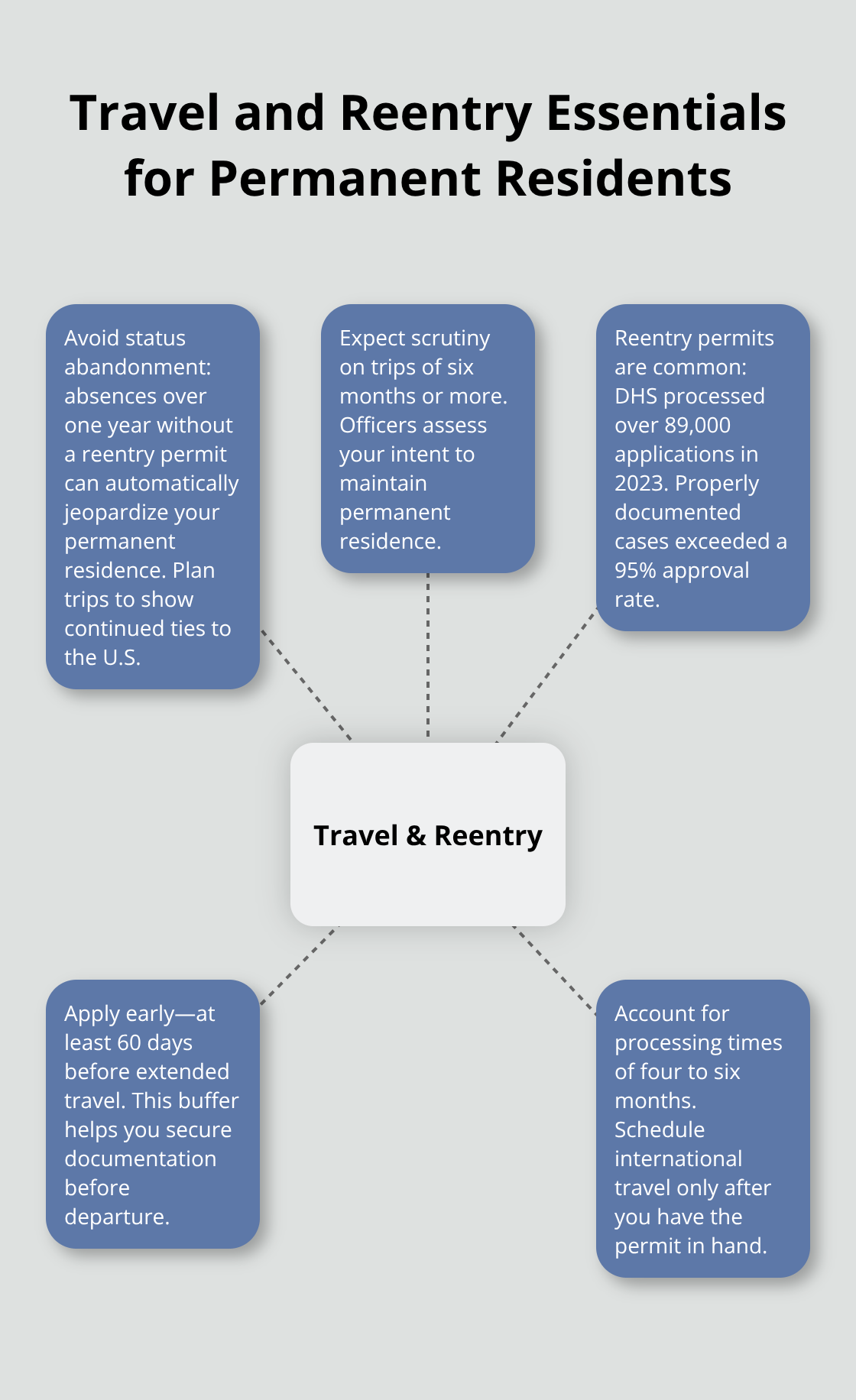
Permanent residents face automatic abandonment of status if they remain absent from the U.S. for more than one year without a reentry permit. Even trips that last six months trigger scrutiny from immigration officers who assess your intent to maintain permanent residence. The Department of Homeland Security processed over 89,000 reentry permit applications in 2023, with approval rates that exceeded 95% for properly documented cases. Apply for reentry permits at least 60 days before extended travel, as processing times currently average four to six months.
Document Requirements You Must Maintain
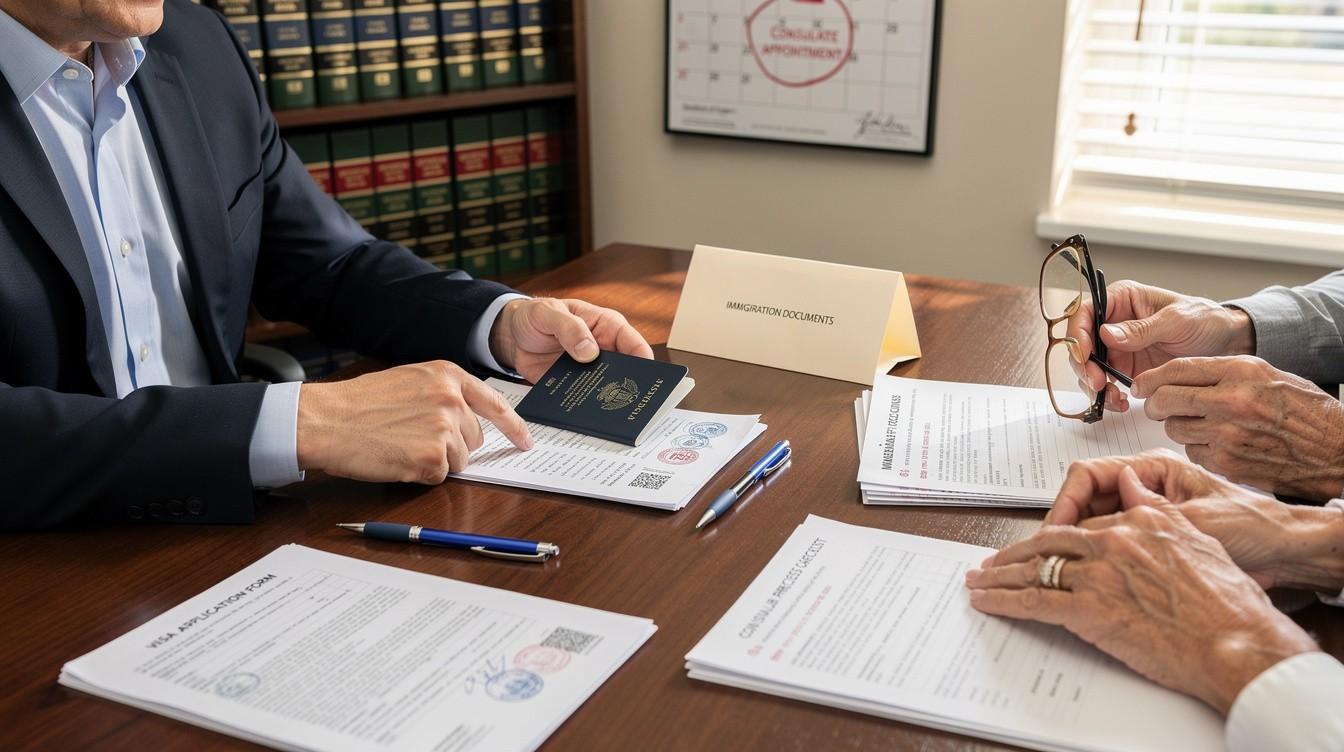
Permanent residents who are 18 years or older must carry their valid Green Card at all times (this requirement applies nationwide). You must also update your address with USCIS within 10 days of any move, or you risk complications with your status. Conditional permanent residents face additional requirements and must file Form I-751 at least 90 days before their two-year card expires to remove conditions.
These legal foundations set the stage for your practical daily life adjustments, which require specific steps to establish your new identity in American systems. Understanding your new rights and responsibilities helps you navigate this complex transition successfully.
Practical Steps for Daily Life Integration
Essential Documents You Need First
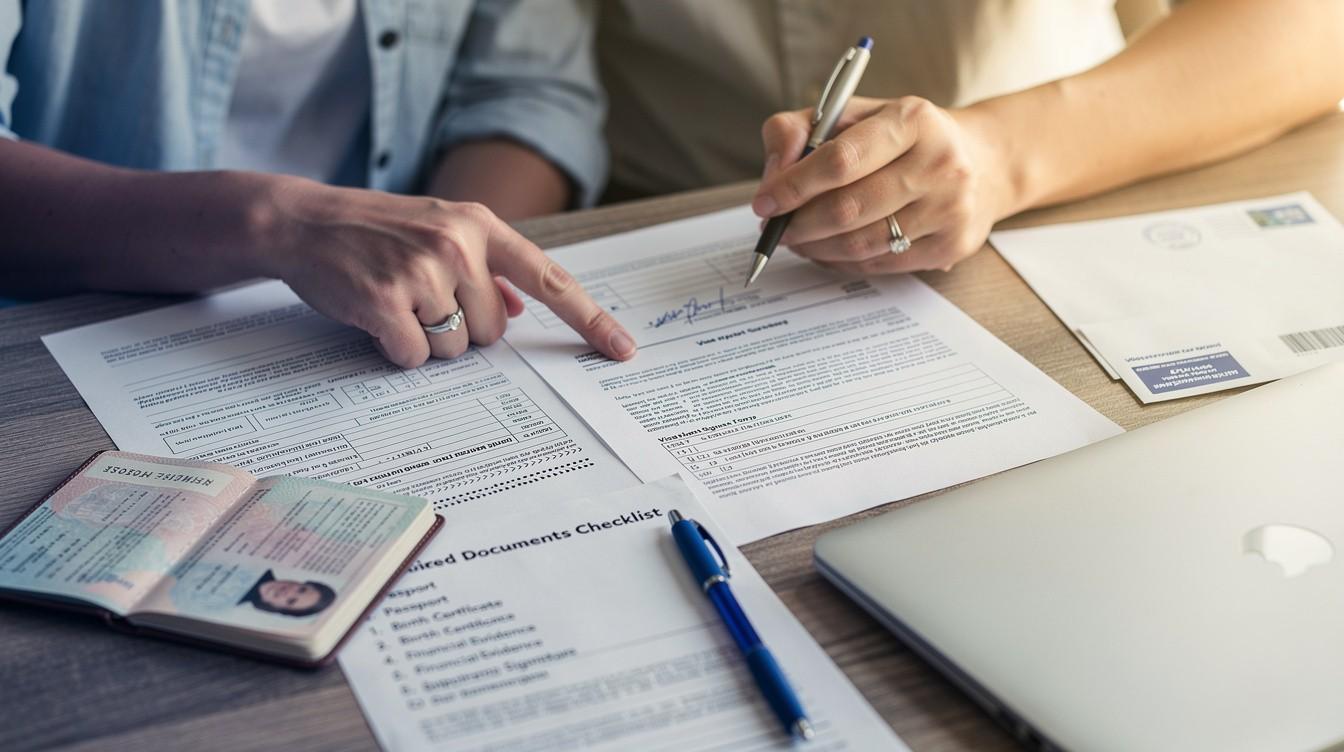
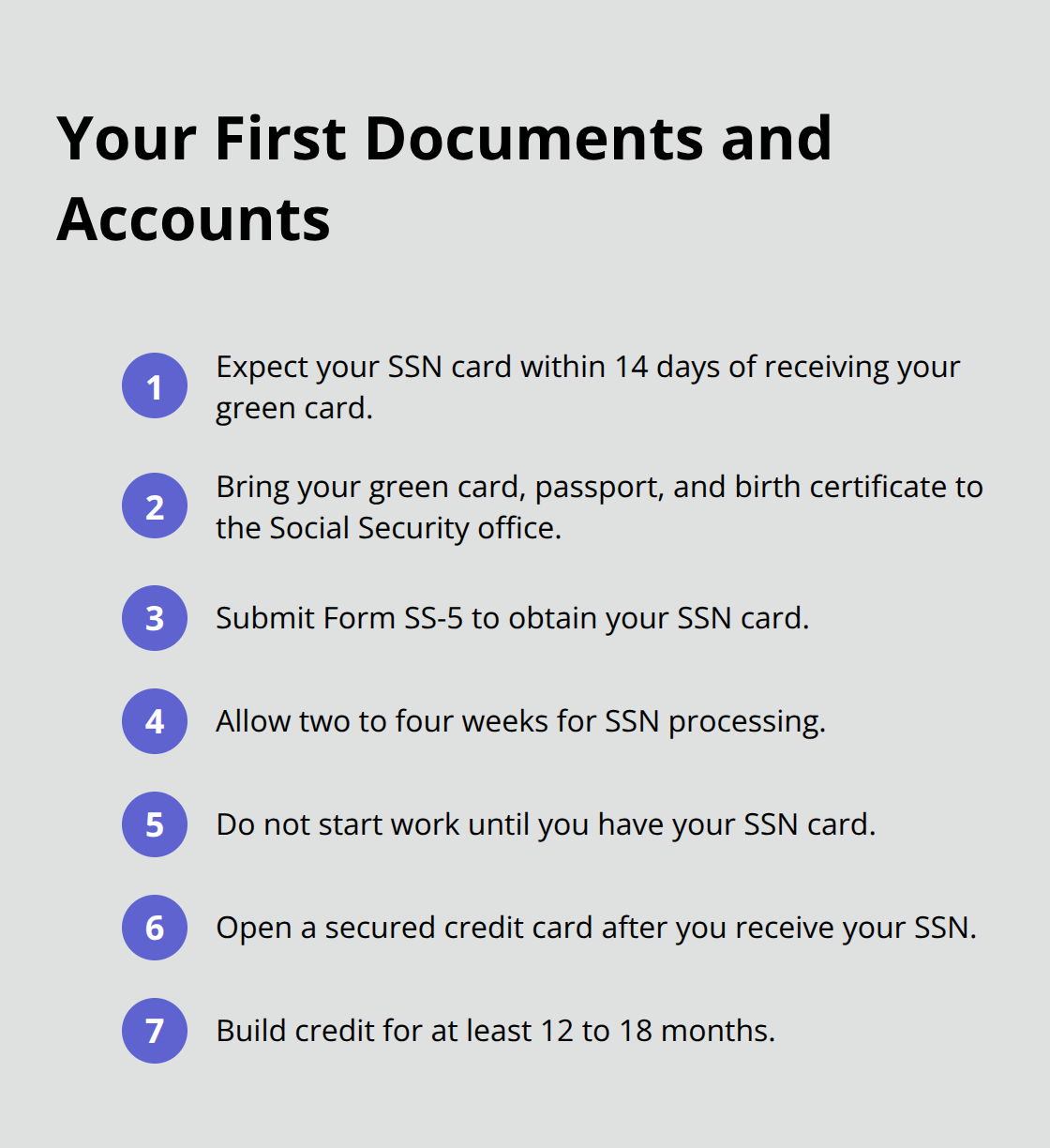
Your green card opens doors to essential American services, but you need additional documentation to function effectively in daily life. You should receive your SSN card no later than 14 days after you receive your Permanent Resident Card from USCIS, as this nine-digit number becomes your primary identifier for employment, banking, and credit reports. Visit your local Social Security office with your green card, passport, and birth certificate to complete Form SS-5. Processing takes two to four weeks, and you cannot work legally without this card despite your permanent resident status.
State Driver’s License Requirements
State driver’s license requirements vary dramatically, but most states demand proof of residency through utility bills or lease agreements dated within 60 days of application. California requires two proofs of residency, while Texas accepts just one utility bill. Each state sets different documentation standards, so check your specific state’s Department of Motor Vehicles website before your appointment.
Banking and Credit Establishment
Banking presents the biggest challenge for new permanent residents, as major banks like Chase and Bank of America require established credit history that you lack. Credit unions offer better options for newcomers, providing access to small-dollar credit that helps certain immigrants obtain legal status and build financial foundations. Open a secured credit card immediately after you obtain your Social Security number, as credit history takes 12 to 18 months minimum to build.
Healthcare Enrollment Options
Healthcare enrollment through employer plans begins within 30 days of employment start dates, but individual marketplace plans require specific documentation (including tax transcripts from previous years). Medicare eligibility begins after five years of Social Security contributions, which creates a coverage gap that many permanent residents fail to anticipate.
These foundational documents and accounts establish your presence in American financial and legal systems, setting the stage for long-term career development and educational opportunities that permanent residency makes possible.
Building Your Future in America
Employment Authorization Without Restrictions
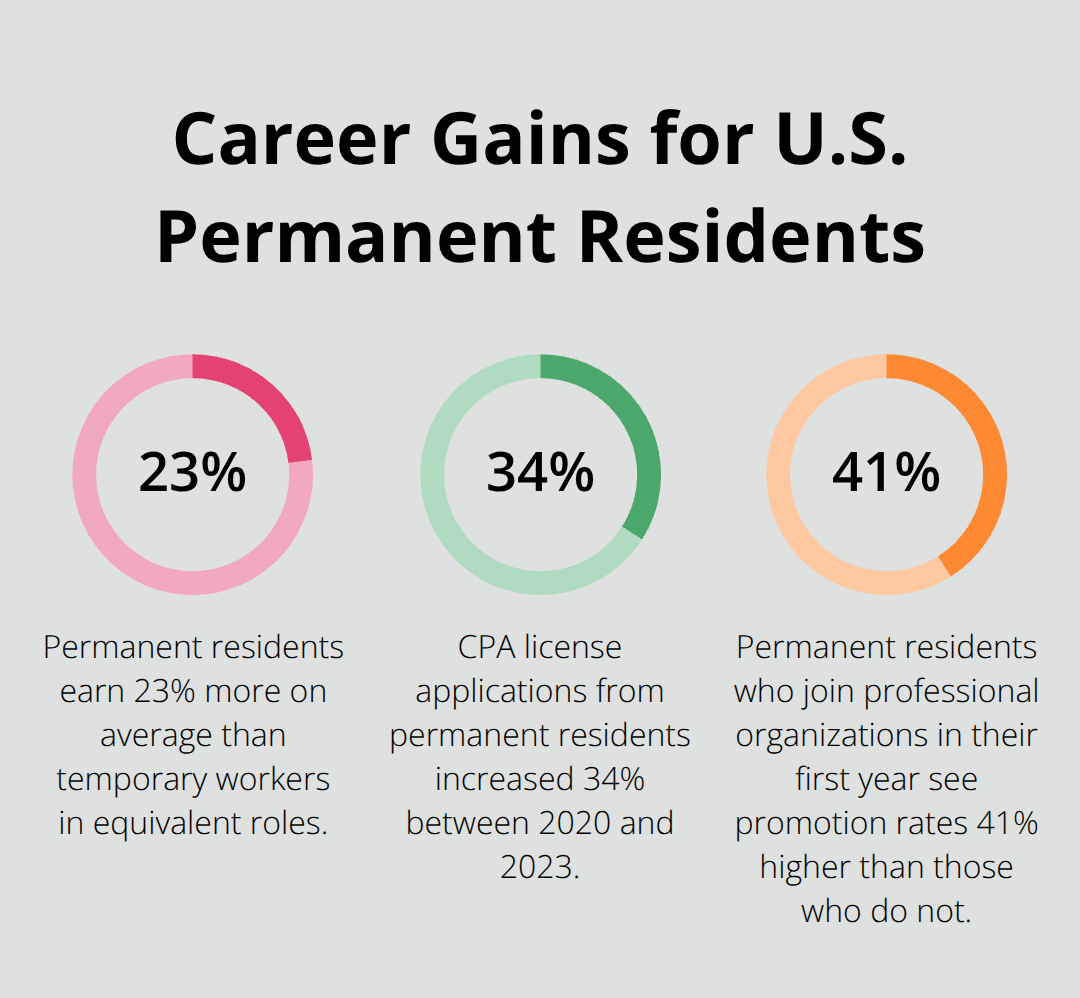
Your green card eliminates all employment restrictions that limited you as a nonimmigrant worker. You can change jobs immediately without petition filings, start your own business, or work for any employer in any industry. The Bureau of Labor Statistics shows that permanent residents earn 23% more on average than temporary workers in equivalent positions because employers view them as stable long-term investments. Target industries with high demand for skilled workers like healthcare, technology, and skilled trades where permanent resident status provides significant advantages over temporary visa holders.
Professional License Access Opens New Career Paths
Most professional licenses require permanent resident status or citizenship, which creates opportunities that were previously unavailable. Medical professionals can pursue residency programs that sponsor only permanent residents, while engineers can obtain Professional Engineer licenses in all 50 states and Washington, DC. The National Association of State Boards of Accountancy reports that CPA license applications from permanent residents increased 34% between 2020 and 2023 as more immigrants gained status. Research your state’s specific requirements immediately, as some professions require additional education or examinations that take months to complete.
Educational Pathways Expand Your Options
Permanent residents qualify for in-state tuition rates at public universities (after meeting residency requirements), which can reduce costs by 60-70% compared to international student rates. You also become eligible for federal financial aid through FAFSA applications, opening access to grants and low-interest loans that temporary visa holders cannot obtain. Community colleges offer accelerated certification programs in high-demand fields like nursing, cybersecurity, and renewable energy that lead directly to well-paid positions.
Community Networks Accelerate Career Growth
Professional associations offer opportunities that temporary visa holders often cannot access fully. Join industry-specific organizations in your field, attend local chamber of commerce events, and participate in professional development workshops. LinkedIn data shows that permanent residents who join professional organizations within their first year achieve promotion rates 41% higher than those who remain isolated. Volunteer for nonprofit organizations in your community, as this builds professional references while demonstrating civic involvement that immigration authorities value for future citizenship applications.
Final Thoughts
Your adjustment to permanent resident status represents the start of a transformative journey rather than its conclusion. You must track key milestones including your first tax filing deadline, Social Security card receipt, and state driver’s license acquisition within your initial 90 days. Immigration authorities review these records during citizenship applications, so document each step carefully.
The path forward requires consistent attention to legal obligations while you build your American foundation. USCIS provides comprehensive resources through their online portal, including processing time updates and policy changes that affect permanent residents. Local immigrant service organizations offer workshops on financial literacy, professional development, and civic engagement that accelerate your integration process.
Citizenship eligibility begins after five years of continuous permanent residence for most applicants (though marriage-based green card holders may qualify after three years). You should start preparation of documentation early, as the naturalization process requires extensive record-keeping of travel, employment, and residence history. We at Law Offices of Jeffrey A. Thompson help clients navigate ongoing requirements, address status complications, and prepare for citizenship applications.
Share this post: