Consulate General Processing: What to Expect
April 13, 2026
Navigating consulate general processing can feel overwhelming if you’re unfamiliar with the system. At Law Offices of Jeffrey A. Thompson, we’ve guided countless clients through this journey and know exactly where confusion typically strikes.
This guide walks you through what to expect at every stage, from initial application to approval. We’ll show you how to avoid the delays that derail most applications and keep your case moving forward.
What Consulates Actually Do
U.S. consulates handle immigrant visa processing for people applying from outside the United States, which is fundamentally different from what happens at embassies. Consulates specifically manage visa applications, document reviews, and interviews for individuals seeking to immigrate. Embassies, by contrast, handle broader diplomatic functions and typically process non-immigrant visas like tourist or work visas.
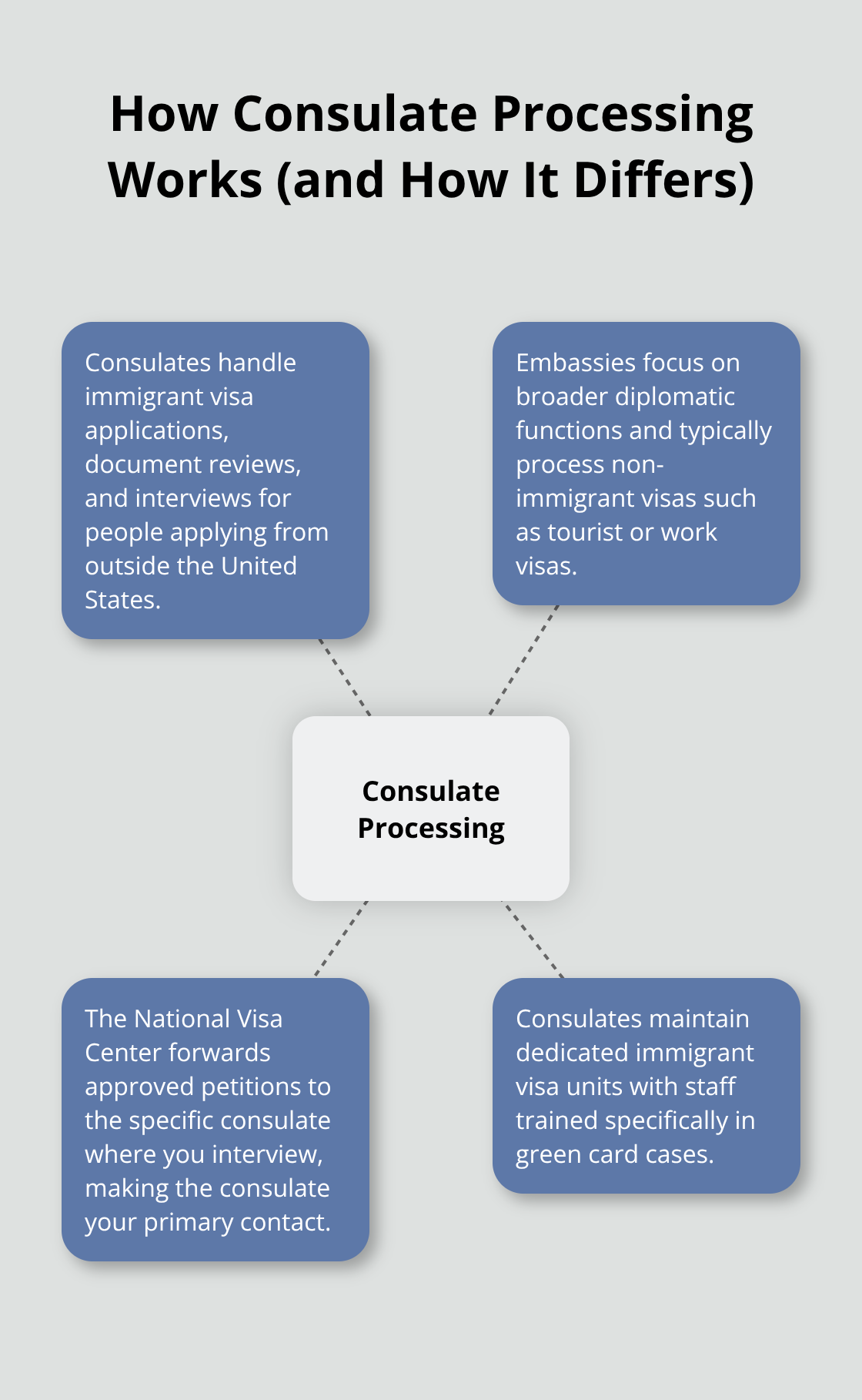
If you pursue permanent residence through consular processing, you work exclusively with the consulate in your jurisdiction-not the embassy. The National Visa Center forwards your approved petition to the specific consulate where you attend your interview, and that consulate becomes your primary contact for everything from document submission to interview scheduling. This distinction matters because consulates maintain dedicated immigrant visa units with staff trained specifically in green card cases.
The Specialists Behind Your Case
Consulate staff understand the nuances of affidavits of support, civil document requirements, and the Child Status Protection Act. When you contact a consulate about your case, you reach specialists, not generalists. These officers review hundreds of immigrant visa applications each year and recognize patterns that trip up applicants. They know which documents commonly arrive incomplete and which questions applicants answer incorrectly during interviews. This expertise works in your favor if you prepare properly and against you if you cut corners.
Civil Documents the Consulate Requires
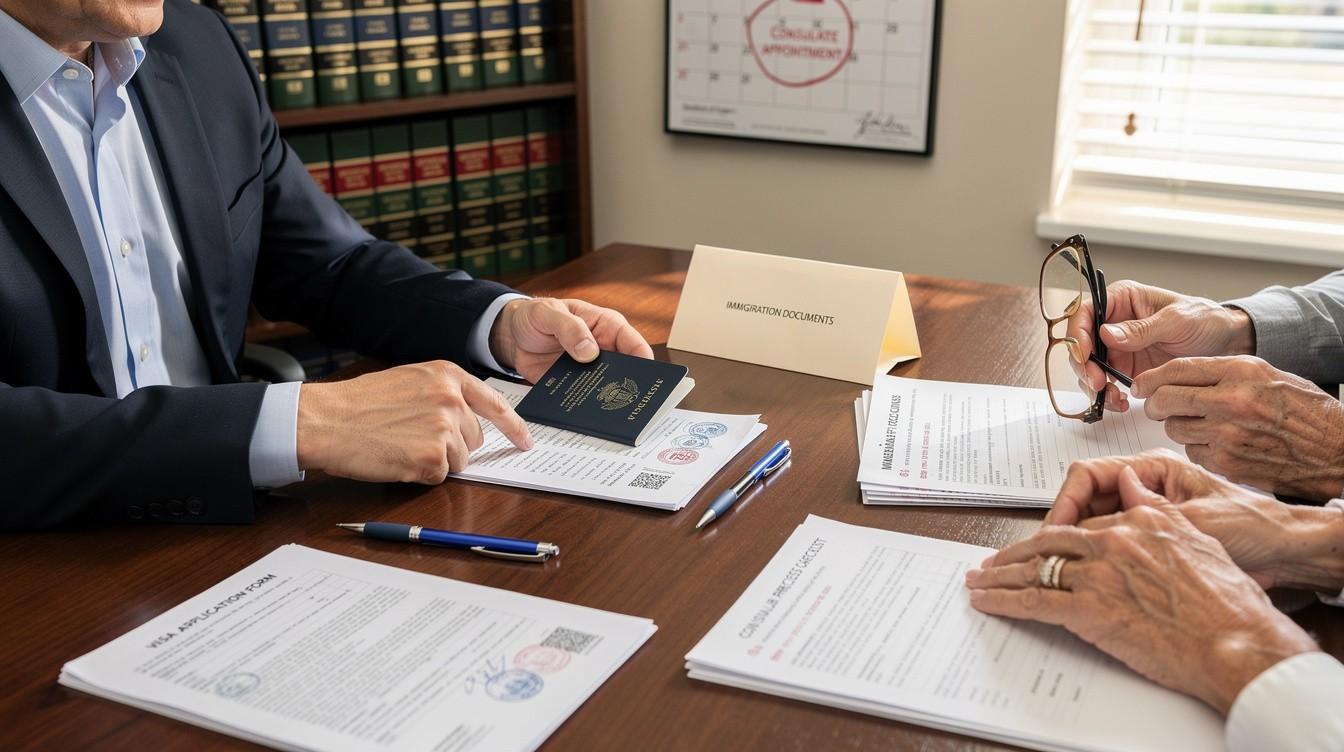
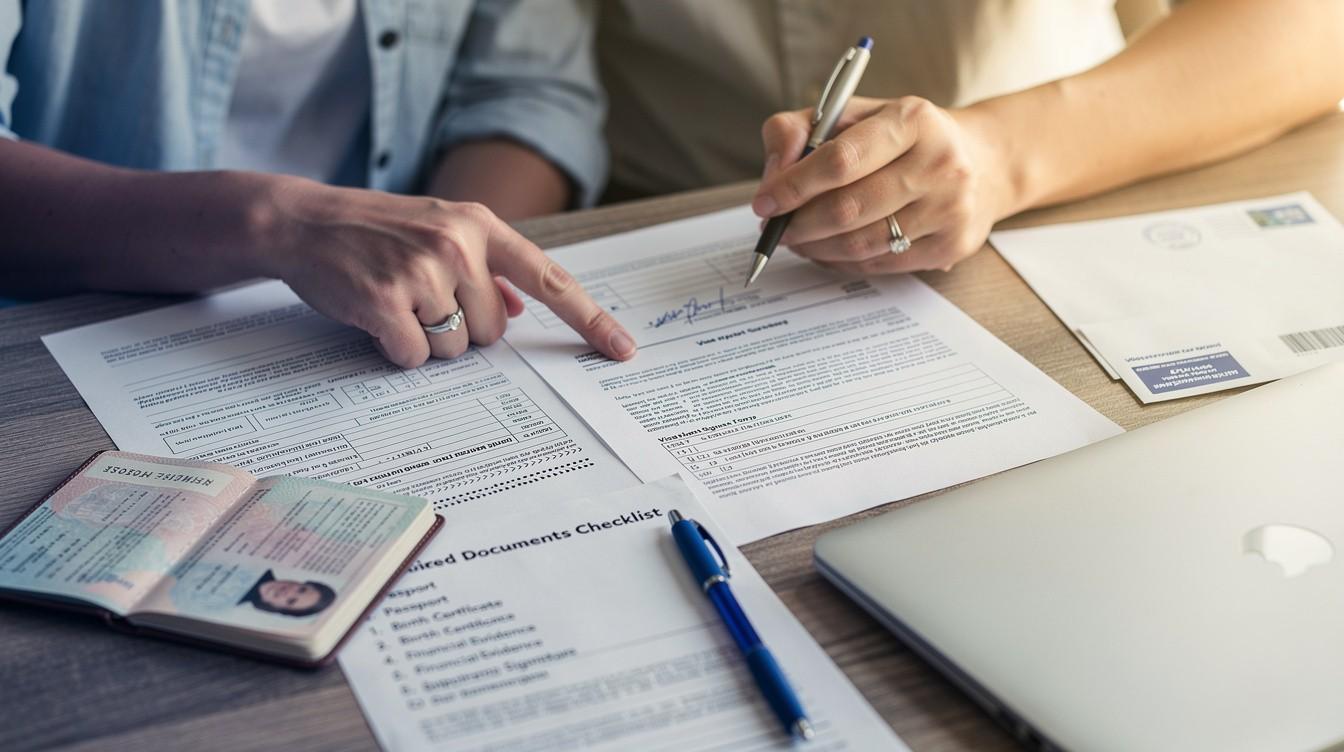
Consulates require original or certified copies of civil documents issued by official government authorities in your country. This includes birth certificates, marriage certificates, divorce decrees, police certificates, and military records if applicable. The consulate will not accept photocopies or uncertified versions. All documents not in English must include certified translations that state the translator is competent and the translation is accurate. Adopted children need certified adoption decrees, legal custody decrees, and proof of residence dates. If you were convicted of a crime, you must obtain certified court and prison records regardless of whether you received amnesty later.
The consulate views missing or incomplete documentation as the leading cause of delays. Many applicants submit hastily gathered papers, forcing the consulate to request additional evidence and pushing their interview date months further out. You cannot recover that lost time once the consulate identifies gaps in your file.
The Medical Exam and Interview Process
Once your documents are documentarily complete, the consulate schedules your immigrant visa interview. Before that interview happens, you must complete a medical examination with an authorized civil surgeon designated by the consulate. The medical exam checks for communicable diseases and certain conditions that could affect admissibility. You cannot skip this step or postpone it. The consulate will notify you of which physicians are authorized in your area, and you must use one from that list.
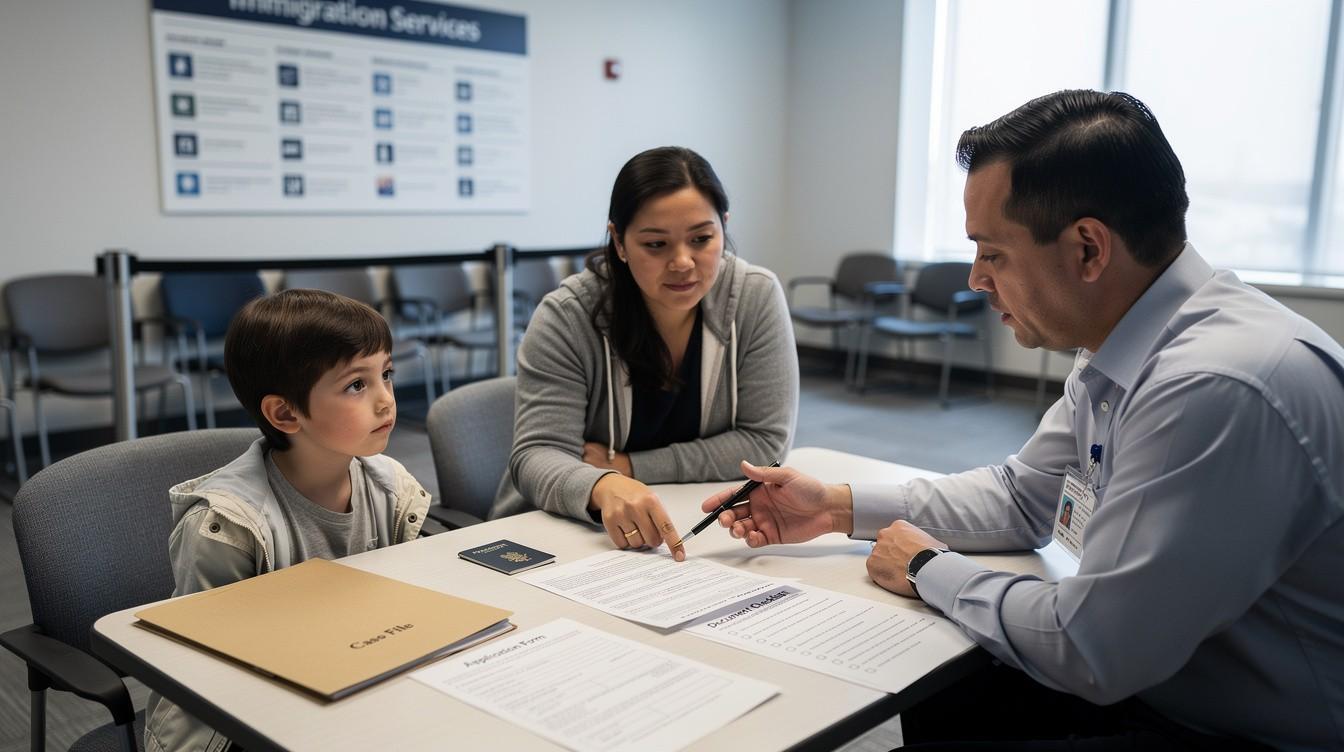
During the interview itself, a consular officer reviews your entire case file, asks questions about your background and eligibility, and makes the final admissibility determination. The officer has authority to approve or deny your visa on the spot. Interviews typically last 15 to 30 minutes but can extend longer if the officer needs clarification. Visa denial happens most often when applicants misrepresent facts, fail to prove financial support through a valid affidavit of support, or have undisclosed criminal history. The consulate does not give applicants a second chance to interview if denied-you must pursue appeal options or alternative immigration pathways instead.
What Happens Next in Your Timeline
The consulate’s decision marks a critical turning point in your case. If approved, the officer stamps your visa in your passport, and you receive instructions for your port-of-entry arrival. If denied, you face limited options for recourse. Understanding what the consulate expects at each stage-from document submission through the final interview-determines whether your case moves forward smoothly or stalls for months.
How Long Does Consulate Processing Actually Take
The National Visa Center Timeline
After USCIS approves your immigrant petition, your case moves to the National Visa Center. Paper petitions typically arrive at the NVC within two to three weeks. The NVC then creates your case in the Consular Electronic Application Center and sends you a Welcome Letter with your case number and invoice ID. From this point forward, you must pay visa fees promptly, gather civil documents from official government authorities, and submit everything through CEAC without delay. The NVC Timeframes page shows which cases are currently under review, and you can estimate where your case falls in the queue. If you submit documents completely and correctly the first time, you can move forward efficiently through the NVC process.
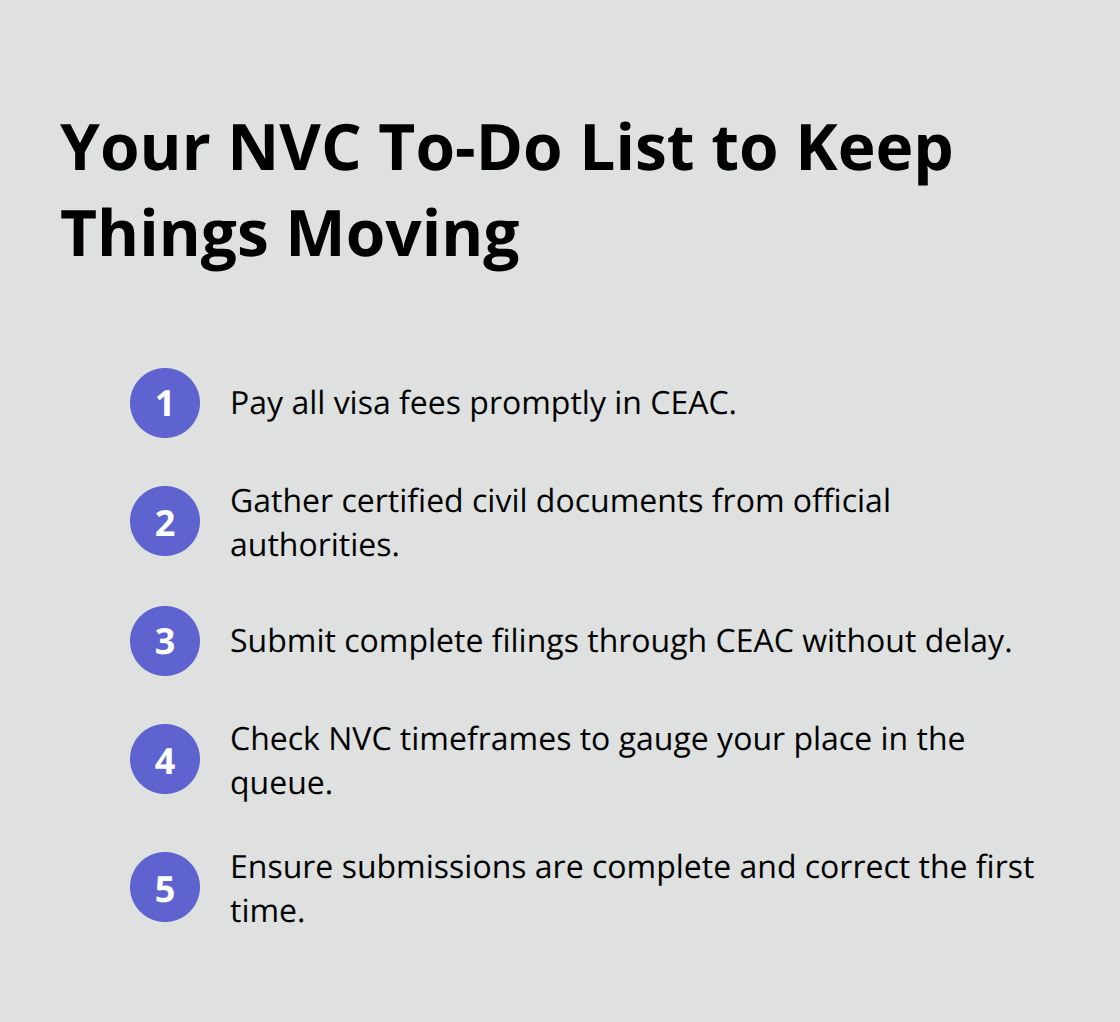
Incomplete submissions derail your timeline significantly. If you send incomplete documents, missing translations, or uncertified copies, the NVC requests additional evidence and your timeline extends by months. One critical rule applies: you must contact the NVC or access CEAC at least once every year, or your submitted fees and documents expire and your case enters pre-termination status. This single oversight costs applicants enormous amounts of time.
Visa Availability and the Visa Bulletin
Visa availability creates the second major timing variable that has nothing to do with your effort or organization. Some immigrant visa categories are numerically limited each year, and the State Department allocates visa numbers by country through the monthly Visa Bulletin. Your priority date must be current in the Visa Bulletin before the consulate can schedule your interview, even if your documents are complete. Employment-based second preference and family-based preference categories often face significant backlogs, particularly for applicants from countries like Mexico, India, and the Philippines. If your priority date is not current, you wait. The consulate cannot interview you until a visa number is available for your category and country, regardless of how perfect your file is.
Check the Visa Bulletin every month starting immediately after petition approval so you understand when your turn arrives. Once your priority date becomes current and your documents are documentarily complete, the consulate schedules your interview within weeks, though embassy calendars and local capacity constraints can add delays.
Medical Exams and Interview Scheduling
The medical examination must happen before your interview takes place. Authorized civil surgeons in your area typically have availability within one to two weeks. You cannot postpone this step or use an unauthorized physician. The consulate will notify you of which physicians are designated in your jurisdiction, and you must select from that list.
During your interview, a consular officer reviews your entire case file, asks questions about your background and eligibility, and makes the final admissibility determination. The officer has authority to approve or deny your visa on the spot. Interviews typically last 15 to 30 minutes but can extend longer if the officer needs clarification. After your interview, you receive a decision immediately in most cases. If approved, you receive visa packet instructions and must pay the USCIS Immigrant Fee online before departing for the United States.
What Delays Look Like in Practice
Missing or incomplete documentation represents the leading cause of delays at every stage. Many applicants submit hastily gathered papers, forcing the NVC or consulate to request additional evidence and pushing interview dates months further out. You cannot recover that lost time once officials identify gaps in your file. Visa denial happens most often when applicants misrepresent facts, fail to prove financial support through a valid affidavit of support, or have undisclosed criminal history. The consulate does not give applicants a second chance to interview if denied-you must pursue appeal options or alternative immigration pathways instead.
Understanding these timing variables allows you to plan realistically and avoid the mistakes that extend processing indefinitely. Your next critical step involves preparing the specific civil documents your consulate requires and understanding exactly which documents your country issues and how to obtain certified copies.
What Really Causes Consulate Delays
Documentation Problems Create the Biggest Bottlenecks
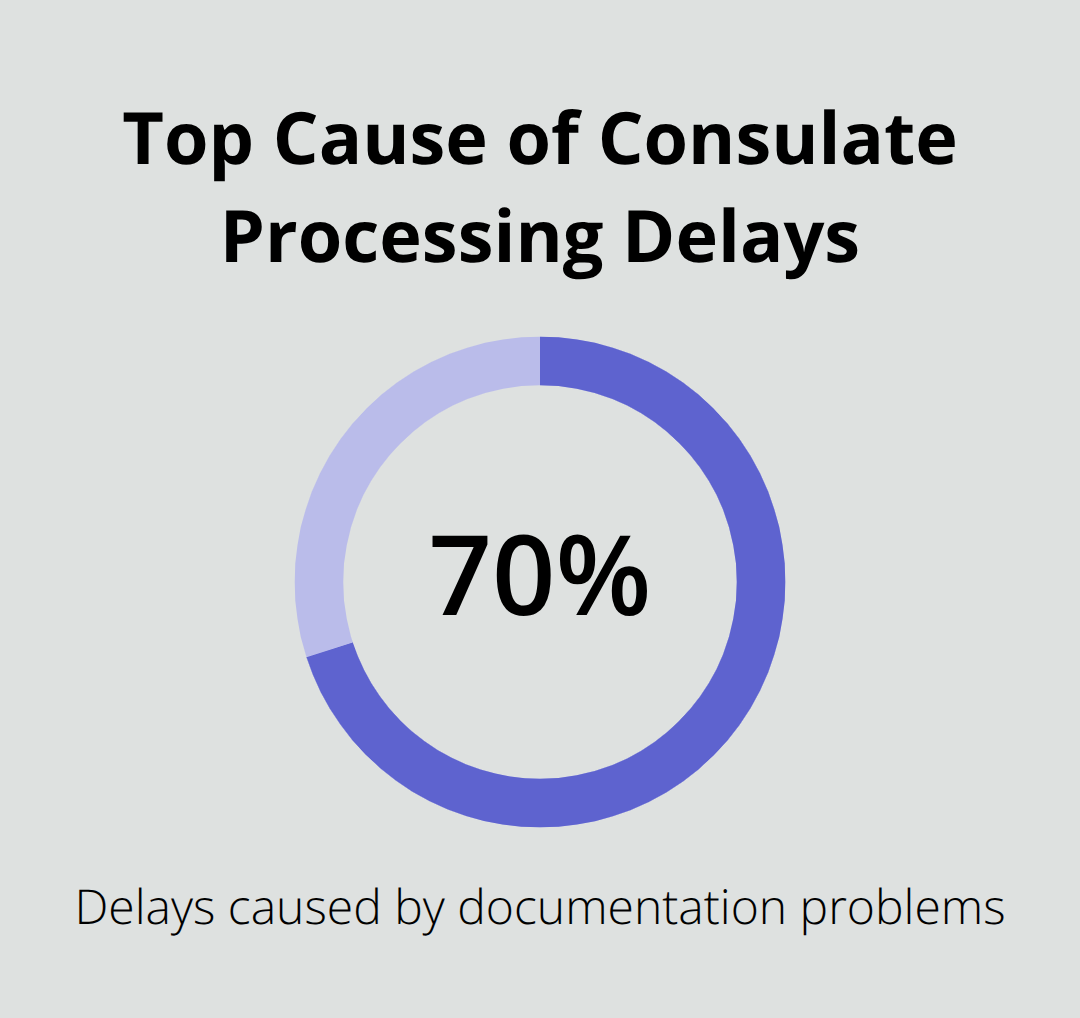
Documentation problems account for roughly 70% of consulate processing delays. Most applicants underestimate how strict consulates are about document requirements. The National Visa Center rejects incomplete submissions and sends you back to square one, costing you months. You need original or certified copies of every civil document from official government authorities in your country.
Photocopies, notarized versions, or documents issued by non-official sources will not work.
All translations must include a signed statement from the translator confirming competency and accuracy. If you use an online translation service without a certified translator, the consulate requests corrected documents and your interview date disappears from the schedule. One applicant submitted a birth certificate that appeared certified but lacked the official government seal required by her country’s authority. The National Visa Center rejected it and requested a replacement, delaying her interview by four months. She could have avoided this entirely by contacting the issuing authority directly beforehand to confirm what constitutes a valid certified copy in her jurisdiction.
Start this process immediately after petition approval rather than waiting until the NVC requests documents. Contact the civil registry office, police department, or courthouse in your country now and ask specifically what they issue and how they certify copies. Request multiple certified copies of every document you will need because documents get lost or damaged during transit.
Background Checks Surface Problems at Interview Time
Background checks happen throughout National Visa Center processing, but issues surface during your interview. If you have any criminal history, undisclosed arrests, or prior immigration violations, disclose them to your attorney now rather than waiting for the consulate to discover them. Consular officers conduct thorough background investigations and cross-reference multiple databases. Misrepresenting your history or omitting facts will result in visa denial with extremely limited appeal options.
The consulate makes its decision based on what you present in your interview, so accuracy and honesty determine your outcome. Visa denial happens most often when applicants misrepresent facts, fail to prove financial support through a valid affidavit of support, or have undisclosed criminal history. The consulate does not give applicants a second chance to interview if denied-you must pursue appeal options or alternative immigration pathways instead.
Medical Exams Require Authorized Physicians Only
The consulate schedules your medical exam with authorized civil surgeons only after your documents are documentarily complete, but you cannot choose which physician performs it. The consulate provides a list of designated surgeons in your area, and you must select from that list exclusively. If you attempt to use an unauthorized physician or obtain an exam in another country, the consulate will reject it and require you to repeat the examination with a designated surgeon. This adds weeks to your timeline.
The medical exam itself typically costs between $500 and $800 and must be completed before your interview takes place. Plan for this expense and schedule your exam immediately once the consulate notifies you that your documents are complete. Authorized civil surgeons in your area typically have availability within one to two weeks, so you cannot postpone this step or use an unauthorized physician.
Final Thoughts
Consulate general processing succeeds when you prepare thoroughly and avoid the mistakes that derail most applicants. Start gathering certified civil documents immediately after petition approval rather than waiting for the National Visa Center to request them. Contact the issuing authorities in your country now and confirm exactly what constitutes a valid certified copy in your jurisdiction, then request multiple copies of every document because originals get lost during transit.
Track the Visa Bulletin monthly starting immediately after petition approval so you understand when your priority date becomes current. Mark your calendar to contact the National Visa Center or access CEAC at least once every year, or your submitted fees and documents expire and your case enters pre-termination status. This single oversight costs applicants months of lost time, and you cannot recover it once the deadline passes.
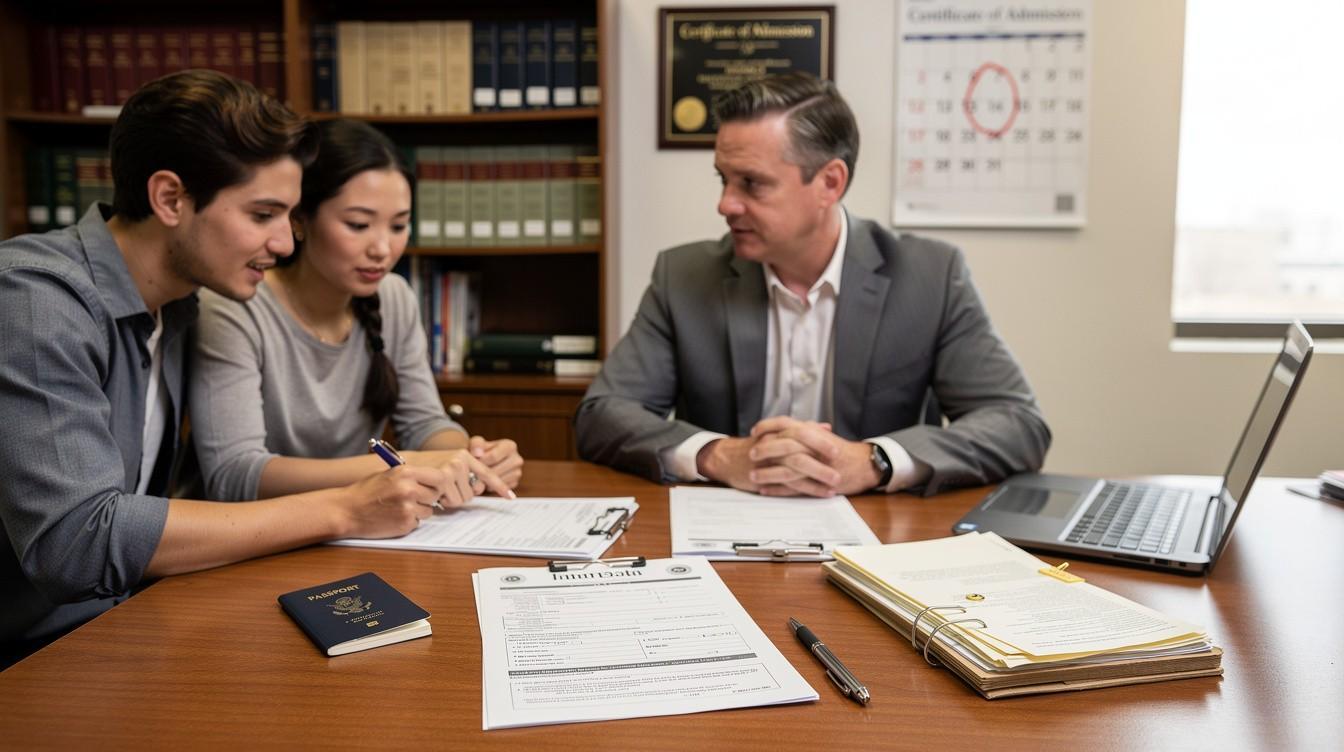
We at Law Offices of Jeffrey A. Thompson help clients navigate consulate general processing from paperwork through interview preparation and beyond. Our immigration law expertise helps you avoid delays, respond to requests for additional evidence promptly, and present your strongest case to the consular officer. Contact us today to discuss your specific case and timeline.
Share this post: