How to Navigate the Adjustment of Status Process
December 26, 2025
Adjustment of status is one of the most common paths to permanent residency in the United States, but the process involves multiple steps and strict requirements. At Law Offices of Jeffrey A. Thompson, we’ve guided countless clients through this journey successfully.
This guide walks you through each stage, from eligibility checks to your final interview, so you know exactly what to expect.
What Adjustment of Status Actually Is
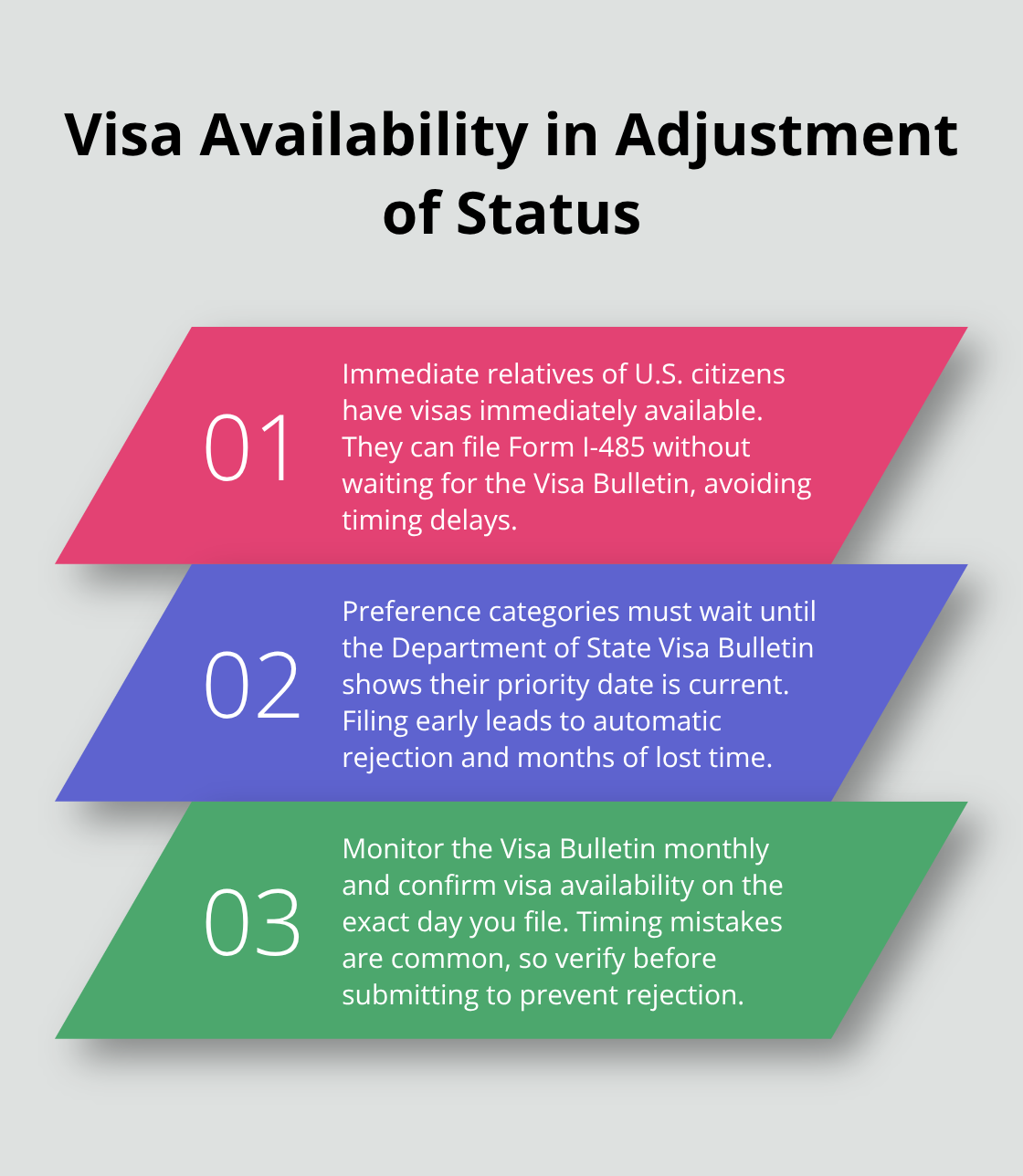
Adjustment of status means you apply for permanent residency (a green card) while physically present in the United States, rather than going through consular processing at a U.S. embassy or consulate abroad. The process involves filing Form I-485 with USCIS, and it offers the faster route for most people already in the country. You need an underlying immigrant petition approved or pending (like Form I-130 for family-based cases or Form I-140 for employment-based cases), though some categories like the Cuban Adjustment Act don’t require this. The key requirement is that a visa must be immediately available in your category at the time you file-the Department of State Visa Bulletin determines this based on your priority date. If you’re an immediate relative of a U.S. citizen (spouse or unmarried child under 21), visas are always available, so you can file right away. For all other categories, you must wait until the Visa Bulletin shows your priority date is current. Filing at the wrong time results in automatic rejection, and this mistake happens frequently.
You must also have been inspected and admitted or paroled into the U.S. unless you fall under specific exemptions like INA 245(i) or VAWA protections. The entire adjustment process typically takes 8 to 18 months from filing to approval, depending on your field office and category.
Adjustment of Status Versus Consular Processing
Consular processing requires you to leave the United States and complete your visa interview at a U.S. embassy or consulate in your home country or another country. Adjustment of status allows you to stay in the U.S. throughout the process and interview at a USCIS office near you. The practical advantage of adjustment is significant: you avoid the risk of visa denial that could strand you abroad, and you maintain your presence and employment in the U.S. while your case is pending. Consular processing becomes necessary only if you’re outside the U.S. or if you don’t qualify for adjustment due to bars like unlawful entry or unauthorized presence that your category cannot waive. The documentation requirements are similar for both paths, but adjustment gives you more control and stability. Your eligibility category determines which path you can take-not all categories permit adjustment, so verify this early in your planning.
Why Visa Availability Matters
Visa availability acts as the gatekeeper for your entire application. USCIS will reject any I-485 filed when no visa is available in your category, regardless of how complete your application is. The Department of State publishes the Visa Bulletin monthly, which shows whether visas are current or when they will become available for your priority date. Immediate relatives bypass this requirement entirely, but employment-based and family-based categories (other than immediate relatives) must wait for their priority date to become current. Checking the Visa Bulletin before you file prevents wasted time and rejected applications.
Inspection and Admission Requirements
You must have been inspected and admitted or paroled into the U.S. to qualify for adjustment under INA 245(a). An Arrival/Departure Record (I-94) typically documents this, though admission stamps or border-crossing cards may also serve as proof. Certain groups don’t need to meet this requirement-INA 245(i) applicants and VAWA self-petitioners are exempt, and Special Immigrant Juveniles are treated as paroled for adjustment purposes. If you entered without inspection or overstayed a visa, you may still qualify if your category permits it or if you have a waivable ground of inadmissibility.
Moving Forward With Your Application
Understanding these foundational rules positions you to file correctly and avoid costly delays. Once your adjustment is approved, you’ll receive a green card that grants you lawful permanent resident status. The next stage involves gathering the specific forms and documentation your category requires, which varies significantly depending on whether you’re applying through family sponsorship, employment, or another pathway.
What Documents You Actually Need to Submit
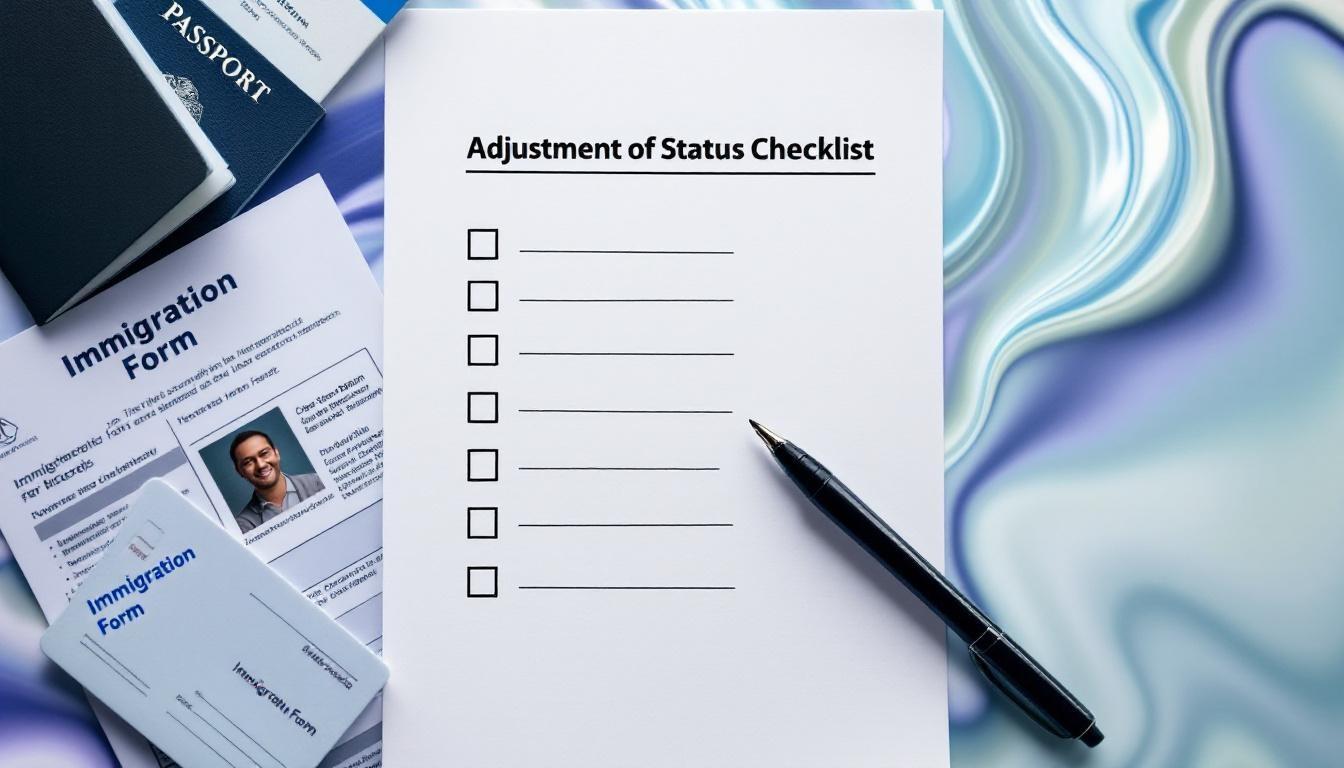
Incomplete I-485 filings trigger rejections or Requests for Evidence that delay your case by months. USCIS will not move forward without the right documents, so submitting everything upfront separates applicants who sail through approval from those stuck in administrative limbo. Start with the non-negotiable items: two passport-style photographs, a copy of your government-issued photo ID, and your birth certificate or acceptable alternative evidence if your birth certificate is unavailable. Then add documentation of your lawful entry into the U.S.-your Arrival/Departure Record (I-94) serves as the standard proof, though admission stamps or border-crossing cards work in some situations. Next, include the underlying immigrant petition that triggered your eligibility: if you’re adjusting based on a family petition, submit Form I-797 approval or receipt notice for your Form I-130; if employment-based, provide evidence of your approved or pending I-140.
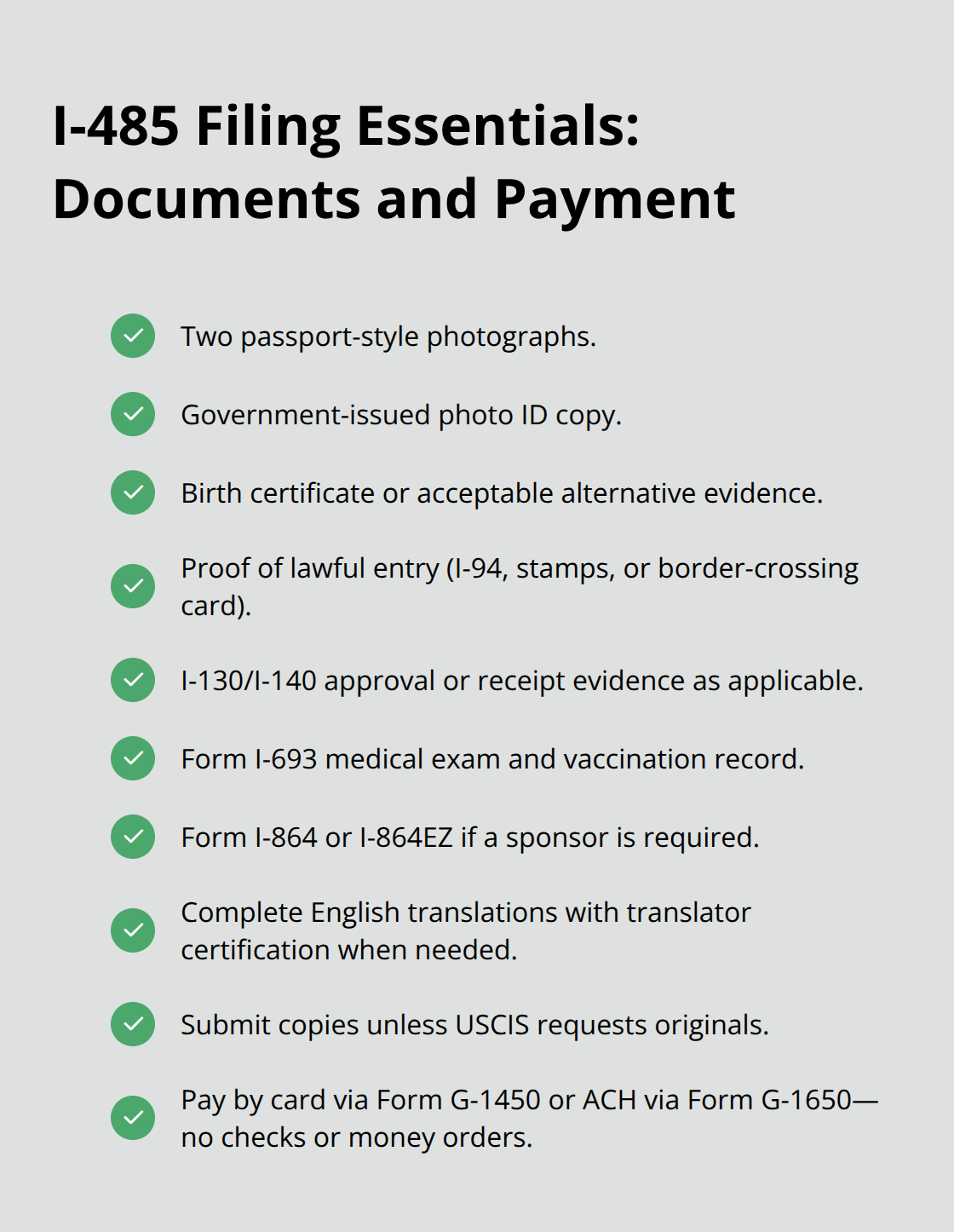
The Form I-693 medical examination and vaccination record is mandatory and must accompany your I-485 or USCIS will reject your entire application-many applicants overlook this and cause unnecessary delays. Include Form I-864, the Affidavit of Support, or Form I-864EZ if your category requires a sponsor to demonstrate financial responsibility-this depends entirely on your immigrant category, so verify whether it applies to you. Never submit original documents unless USCIS specifically requests them; copies protect you from losing irreplaceable records. If any documents are in a language other than English, provide a complete English translation with a translator’s certification of accuracy and competence. Pay your filing fee by credit card, debit card, or prepaid card using Form G-1450, or via ACH using Form G-1650-as of October 28, 2025, USCIS no longer accepts checks or money orders, and submitting payment the wrong way triggers rejection.
Criminal History and Admissibility Waivers
If you have any criminal charges, arrests, or convictions, you must submit certified police and court records for each one regardless of the final disposition. Lying about or omitting criminal history is grounds for permanent deportation, so transparency here is non-negotiable. If your criminal history or other factors make you inadmissible, you may need Form I-601, the Waiver of Grounds of Inadmissibility, to overcome the bar-some categories allow waivers while others do not, so consult your specific eligibility rules. Similarly, if you previously entered the U.S. without inspection or overstayed a visa, you might need Form I-212, Application for Permission to Reapply for Admission, depending on your category and circumstances. These forms are complex and mistakes on them are costly, so working with an immigration attorney makes a tangible difference in your approval odds.
Special Situations That Require Extra Forms
J-1 visa holders and their dependents must document past or present J-1 and J-2 status and prove compliance with or obtain a waiver of the two-year foreign residence requirement under INA 212(e)-Form I-612 handles the waiver if you need one. Diplomats and their family members holding A, G, or NATO status must include Form I-508, Waiver of Diplomatic Rights, Privileges, Exemptions, and Immunities. Afghan SIV beneficiaries file with an approved I-360 or Chief of Mission approval letter and must maintain a U.S. address, updating it within 10 days via Form AR-11 if you move. Fiancé(e) visa holders adjusting as K nonimmigrants must prove you entered into a bona fide marriage within 90 days of admission. Special Immigrant Juveniles require concurrent or pending I-360 filing along with your birth certificate and any available disposition of criminal charges. The specifics shift dramatically based on your pathway, which is why reviewing the official USCIS instructions for Form I-485 before you file prevents costly errors.
Employment-Based and Derivative Applicants
Employment-based applicants must provide evidence of continuous lawful status since arrival or qualify for an exemption under 245(k). If you filed based on a previously approved I-140 or need to establish job portability under INA 204(j), you must file Form I-485 Supplement J to confirm your job offer or portability status. Derivatives (spouse and children) adjusting based on the principal applicant’s petition should provide evidence of relationship and, when applicable, the principal’s I-130 and I-485 approvals or Green Card. Immediate relatives (spouse or child of a U.S. citizen) must independently qualify for adjustment and cannot rely on the principal’s I-485; you must file your own I-485 with your own supporting documents. These distinctions matter significantly, and submitting the wrong forms or missing category-specific evidence will delay your case. The next stage involves understanding what happens after you file-the biometrics appointment, the interview process, and what USCIS officers will ask you.
Your USCIS Interview and What Happens Next
The Biometrics Appointment and Case Review
After you submit your I-485, USCIS schedules a biometrics appointment where you provide fingerprints, a photograph, and a signature for background and security checks. This appointment is mandatory-missing it results in case denial. Once biometrics clear, USCIS notifies you whether an interview is required. Not all adjustment cases require an interview; USCIS may approve your case based on your submitted documents alone, particularly if your file is complete and straightforward. However, most applicants should prepare for an interview because USCIS uses them to verify your identity, test your admissibility, confirm the legitimacy of your underlying petition (especially for family cases), and assess whether you merit favorable discretionary consideration.

What to Bring and How to Prepare
Your interview typically occurs at the USCIS field office nearest your address. You must bring original copies of every document you submitted with your I-485-your passport, travel documents, I-94, birth certificate, medical examination results, and financial sponsorship letters. Bring a valid government-issued photo ID and be prepared to sign your I-485 in front of the officer if you have not already done so. USCIS officers will ask you standard questions about your background, family relationships, employment history, criminal history, and ties to the United States. They verify that information in your application matches what you say in person and check that you have not misrepresented facts.
Interview Questions by Case Type
For family-based cases, officers frequently ask detailed questions about how you met your sponsoring relative, your relationship timeline, and family circumstances to confirm the petition is not fraudulent. Employment-based applicants should expect questions about your job duties, your employer, your qualifications, and whether your position matches the job description from your I-140 petition. Be direct and honest; inconsistencies between your written application and your interview answers trigger denials or requests for evidence. The officer’s primary goal is to establish that your case is legitimate and that you qualify for permanent residency under the law.
Processing Times and Case Status Updates
From filing to final decision, the adjustment process typically takes 8 to 18 months depending on your field office location and case complexity. USCIS publishes processing times on its website for each field office, so check your specific location to set realistic expectations. You can check your case status online using your receipt number, A-number, name, and date of birth, or contact the USCIS Contact Center if you need immediate information. If USCIS issues a Request for Evidence deadline, you have time to submit the requested documents; missing this deadline results in case denial without further notice.
Approval, Denial, and Next Steps
If approved, you receive an approval notice first, and your green card arrives by mail to your address on file within weeks-update your address immediately if you move, using Form AR-11 within 10 days to avoid delays or lost cards. If denied, USCIS explains the reasons, though most denials are not appealable; you may file a motion to reopen or reconsider using Form I-290B if new evidence or legal arguments apply to your case. The difference between approval and denial often comes down to how thoroughly you prepared your initial filing and how confidently you answered interview questions. Incomplete applications, missing documents, or inconsistent statements during your interview are the primary reasons cases are denied or delayed. We at Law Offices of Jeffrey A. Thompson assist clients in navigating this process, from paperwork to overcoming legal hurdles, helping them achieve their American dreams.
Final Thoughts
The adjustment of status process demands attention to detail, proper timing, and complete documentation from start to finish. Visa availability gates your entire application, biometrics and interviews verify your eligibility, and a single missing form can derail months of progress. Each checkpoint in the adjustment of status process confirms you meet legal requirements and merit permanent residency.
Success comes down to preparation. Applicants who gather all required documents upfront, understand their specific category rules, and answer interview questions honestly move through the process faster and face fewer delays. Those who rush, omit documents, or provide inconsistent information encounter rejections or lengthy Requests for Evidence that extend timelines by months (sometimes even years).
Your immigration goals are within reach, but the complexity of this process means mistakes carry real costs. Contact Law Offices of Jeffrey A. Thompson for expert guidance tailored to your specific situation.
Share this post: