Consulate Processing Steps Demystified: A Clear Roadmap
April 20, 2026
Consulate processing steps confuse most people. The forms pile up, deadlines blur together, and policies seem to contradict each other.
We at Law Offices of Jeffrey A. Thompson have guided hundreds of clients through this maze. This guide breaks down exactly what you need to do, when to do it, and how to avoid the mistakes that delay approvals.
Understanding Consulate Processing Requirements
Consulate processing confuses most people. The forms pile up, deadlines blur together, and policies seem to contradict each other. This chapter breaks down exactly what you need to do, when to do it, and how to avoid the mistakes that delay approvals.
What Documents Do You Actually Need
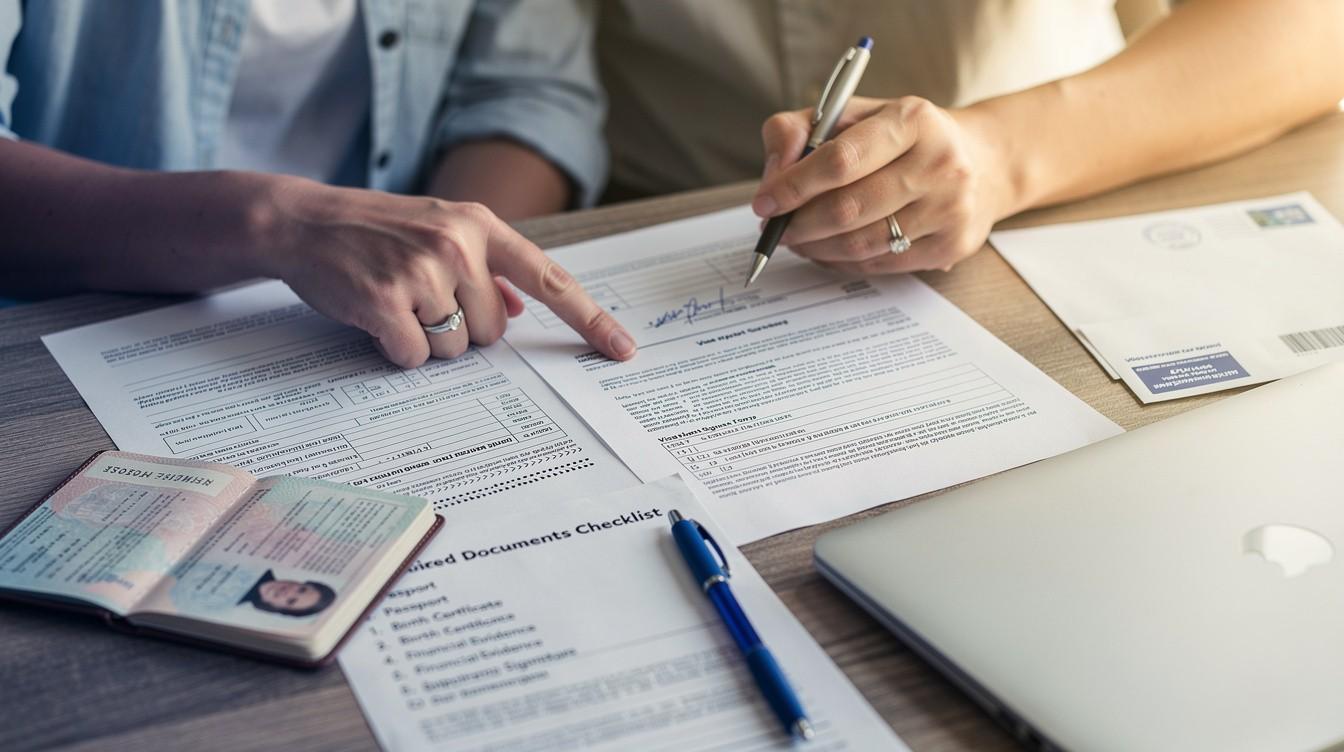
The Department of State requires a valid passport, visa application forms, visa fee receipts, medical examination results, civil documents like birth and marriage certificates, evidence of financial support, and police clearance. A single missing item triggers a 221(g) refusal, which delays your case by weeks or months. Requirements vary between embassies, so contact your assigned consulate directly or check the Consular Electronic Application Center to verify the exact list for your location and visa category before you gather anything.
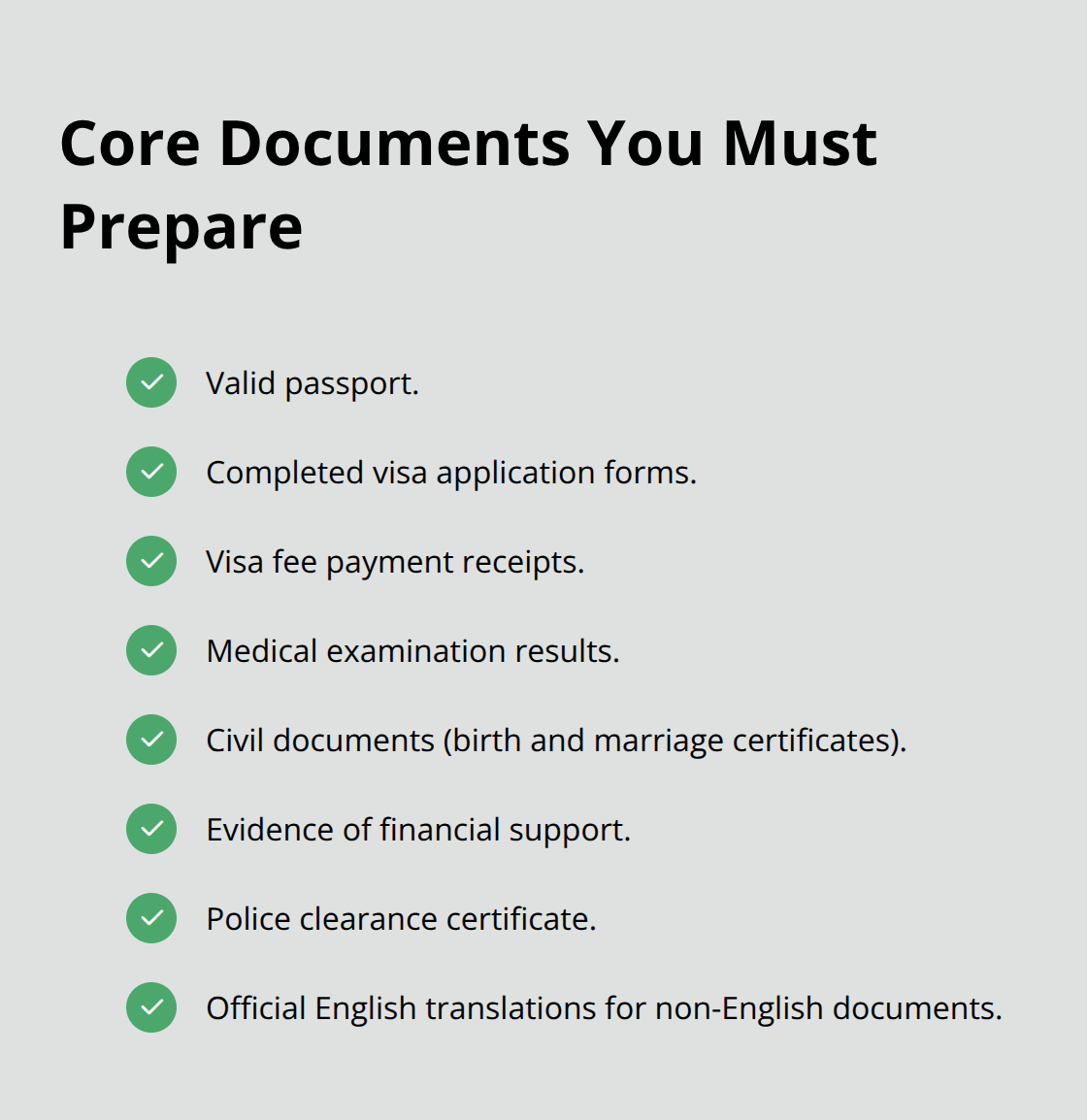
Translations matter significantly. Any document not in English needs an official translation, and many consulates reject translations completed by friends or family members. The National Visa Center notifies you which documents are required during NVC processing-this notification signals you to start collecting immediately. Don’t wait until the interview is scheduled.
Verify Your Eligibility Before Filing
Your eligibility determines everything downstream. USCIS recognizes family-based categories including spouses and minor children of U.S. citizens, adult children of U.S. citizens, siblings of U.S. citizens, spouses and minor children of lawful permanent residents, and K-1 fiancé visas. Employment-based pathways include EB-5 investors filing Form I-526E, workers with approved Form I-140 petitions, and special immigrants using Form I-360. Humanitarian categories exist for Amerasians and widows of U.S. citizens. The wrong category choice delays everything and may require starting over.
Background checks occur at the consulate during your interview. Administrative processing for security checks can extend timelines by weeks or months. You must respond immediately to any information requests and track your status through official portals. If your case enters administrative processing after the interview, follow posted instructions carefully and avoid booking nonrefundable travel until the visa is actually issued. A 221(g) refusal often indicates temporary issues that change after missing items are supplied, so don’t assume rejection is permanent.
Understand Fee Timing and Payment Requirements
The visa application fee typically runs between $190 and $265 depending on visa type, and the National Visa Center collects this during NVC processing. After your visa receives approval at the consulate, you pay the USCIS Immigrant Fee to produce your green card. The total cost is predictable, but the timing catches people off guard. The National Visa Center bills you first, and you must pay before they schedule your consular interview. Delayed payment postpones your interview indefinitely.
Once your visa receives approval, you obtain a sealed visa packet and must not open it. Present this packet to Customs and Border Protection at your port of entry along with proof that you paid the Immigrant Fee. If you didn’t pay before arriving, you must pay before USCIS issues your green card. Track all fee bills and receipts in one folder. If you don’t receive your green card within 90 days of arrival, contact USCIS at 1-800-375-5283 or use their e-Request Non-Delivery of Card page. Payment delays are avoidable mistakes that extend your timeline unnecessarily.
With your documents organized, eligibility confirmed, and fees understood, you’re ready to move through the actual application submission process-where timing and accuracy determine whether your case advances smoothly or stalls at the consulate.
Navigating the Consulate Interview and Processing Timeline
What Happens When the National Visa Center Contacts You
The National Visa Center notifies you when an immigrant visa number becomes available and schedules your consular interview. This notification signals you to finalize document organization and lock down your interview preparation strategy. The consular interview itself typically lasts 15 to 30 minutes, though complex cases involving administrative processing can stretch longer. The consular officer will verify that you meet all eligibility requirements, review your submitted documents, and assess whether you pose any grounds for inadmissibility. You must bring originals of all civil documents to the interview, along with copies of everything you submitted to the National Visa Center. The Department of State requires that you arrive early, typically 30 minutes before your scheduled time, and bring a valid passport.
Preparing for Your Consular Interview
Many applicants underestimate how thoroughly the officer examines your documentation, so anticipate detailed questions about your relationship to the petitioner, your employment history, your financial support arrangement, and any gaps in your background. If you pursue a family-based visa, the consular officer will ask specific questions about how you know the petitioner, when the relationship began, and details that only genuine relationships can answer. If the officer suspects fraud, they will issue a 221(g) refusal on the spot, which halts your case indefinitely. Preparation means practicing your answers out loud multiple times, not just reading them silently. You should also verify the exact location of your assigned consulate, confirm its holiday schedule, and understand its specific document requirements, as these vary between locations.
Some consulates require notarized affidavits for missing civil documents if originals are unavailable due to emergencies or disasters. Others accept hospital records, religious records, or emergency certificates with a detailed written explanation. The Consular Electronic Application Center allows you to monitor your case status online after submission, and you should check it regularly for any requests for additional evidence or changes to your interview date.
Understanding Administrative Processing and Delays
Processing timelines vary dramatically depending on visa type, your country of origin, embassy workload, and whether administrative processing is triggered. Family-based cases typically process in 4 to 12 months after petition approval, while employment-based cases often take 6 to 18 months. Administrative processing for security checks can add weeks or months to your timeline without warning. If your case enters administrative processing, you will receive written notice at your interview, and the consulate will contact you when it is complete. The key action here is to respond immediately to any information requests and never ignore official correspondence from the consulate. Delayed responses trigger automatic case closure in some jurisdictions.
What Happens After Your Visa Receives Approval
Once your visa receives approval, you obtain a sealed visa packet that you must present unopened to Customs and Border Protection at your port of entry. You cannot open this packet under any circumstances, even to verify its contents. Your green card will arrive at your U.S. address within 90 days of arrival. If you do not receive it within that window, contact USCIS at 1-800-375-5283. The timeline from petition filing to green card arrival typically spans 18 to 36 months, but this range masks significant variation. Some cases move through in 12 months if everything aligns perfectly. Others stall for years due to visa number backlogs in high-demand categories. You have zero control over visa availability, so focus your energy on what you can control: submitting error-free documents, responding instantly to requests, and preparing thoroughly for your interview.
With your interview completed and your visa approved, the final step involves your arrival in the United States and the transition to permanent resident status-a process that requires attention to specific entry procedures and post-arrival requirements.
Common Mistakes That Derail Your Consulate Case
Document Errors That Trigger Immediate Refusals
Document errors kill consulate cases faster than anything else. A single typo in your name across forms, a missing signature on a critical page, or a translation that doesn’t match the original triggers a 221(g) refusal that sets you back months. The Department of State requires that every document submitted to the National Visa Center matches exactly-same spelling, same dates, same information. Ensure consistency of name spellings across all official documents, such as passports, birth certificates, and other identity papers. Many applicants assume minor inconsistencies don’t matter, but consular officers treat them as potential fraud indicators.
Before you submit anything, print every form and document side by side and verify that names, dates of birth, addresses, and employment history align perfectly across all paperwork. Check that translations are certified by qualified translators, not prepared by family members or online services. The National Visa Center sends you a detailed document checklist during NVC processing-follow it exactly and don’t add extra documents thinking they’ll help. Extra documents create confusion and give officers more material to scrutinize for inconsistencies.
Missed Deadlines and Communication Failures
The National Visa Center sets strict timelines for fee payment and document submission, and missing either one closes your case automatically in some jurisdictions. If the NVC bills you for the visa application fee and you don’t pay within the specified window, your interview gets cancelled indefinitely. If they request additional evidence and you don’t respond within 30 days, your case may be administratively closed. Many applicants miss these deadlines because they don’t check their email regularly or they assume the consulate will send reminders-it won’t.
Set phone calendar alerts for every deadline mentioned in official correspondence. Track all fee bills and receipts in one folder to prevent the chaos of losing track of what you’ve submitted versus what’s still outstanding. Missed deadlines set by the National Visa Center can result in case delays or closure, so respond promptly to all requests. The National Visa Center won’t remind you twice, and delayed responses trigger automatic case closure in some jurisdictions.
Consulate Policy Variations and Administrative Processing
Misunderstanding consulate policies compounds deadline problems significantly. Some consulates require you to reschedule your interview if you’re sick on the appointment day; others automatically deny you if you don’t show up. Some accept emergency affidavits for missing civil documents; others reject them outright. Each consulate publishes its specific requirements on its website, but applicants rarely check before the interview.
Contact your assigned consulate directly and ask for its written policy on document substitutes, rescheduling procedures, and acceptable evidence of financial support. Don’t rely on what worked for someone else’s case at a different consulate-policies vary significantly by location and change frequently. Administrative processing timelines also catch people off guard because they’re not communicated clearly. The consulate won’t tell you how long your security check will take, and you have no way to expedite it. The only action available is to respond instantly to any information requests and monitor the Consular Electronic Application Center for status updates. Applicants who contact the consulate repeatedly asking for updates typically trigger longer processing times, not faster ones, so patience and documentation compliance are your only levers.
Final Thoughts
Consulate processing steps demand precision, timing, and attention to detail across every stage of your application. A single mistake at any stage resets your timeline entirely, so you must organize your documents obsessively, respond to every deadline immediately, and verify requirements directly with your assigned consulate rather than relying on what worked for someone else’s case. Your eligibility category determines your entire trajectory, document consistency matters more than you think, and the National Visa Center controls your interview scheduling, so treat their notifications as non-negotiable.
After your visa receives approval at the consulate, your green card arrives within 90 days of your arrival in the United States. Do not open the sealed visa packet under any circumstances, and bring proof of your Immigrant Fee payment to your port of entry. If your green card fails to arrive within 90 days, contact USCIS immediately at 1-800-375-5283.
If consulate processing feels overwhelming or you have encountered a 221(g) refusal, administrative processing delays, or document complications, reach out to our office for expert guidance tailored to your specific situation. Your American dream depends on getting this right the first time.
Share this post: