Green Card Eligibility Massachusetts: Are You Qualified?
April 6, 2026
Getting a green card in Massachusetts requires understanding multiple eligibility pathways and potential obstacles. We at Law Offices of Jeffrey A. Thompson help applicants navigate these requirements and strengthen their applications.
Whether you’re pursuing employment-based sponsorship, family connections, or the diversity visa lottery, knowing where you stand matters. This guide breaks down green card eligibility in Massachusetts and identifies common barriers that derail applications.
What Three Green Card Pathways Exist for Massachusetts Residents
Employment-Based Green Cards
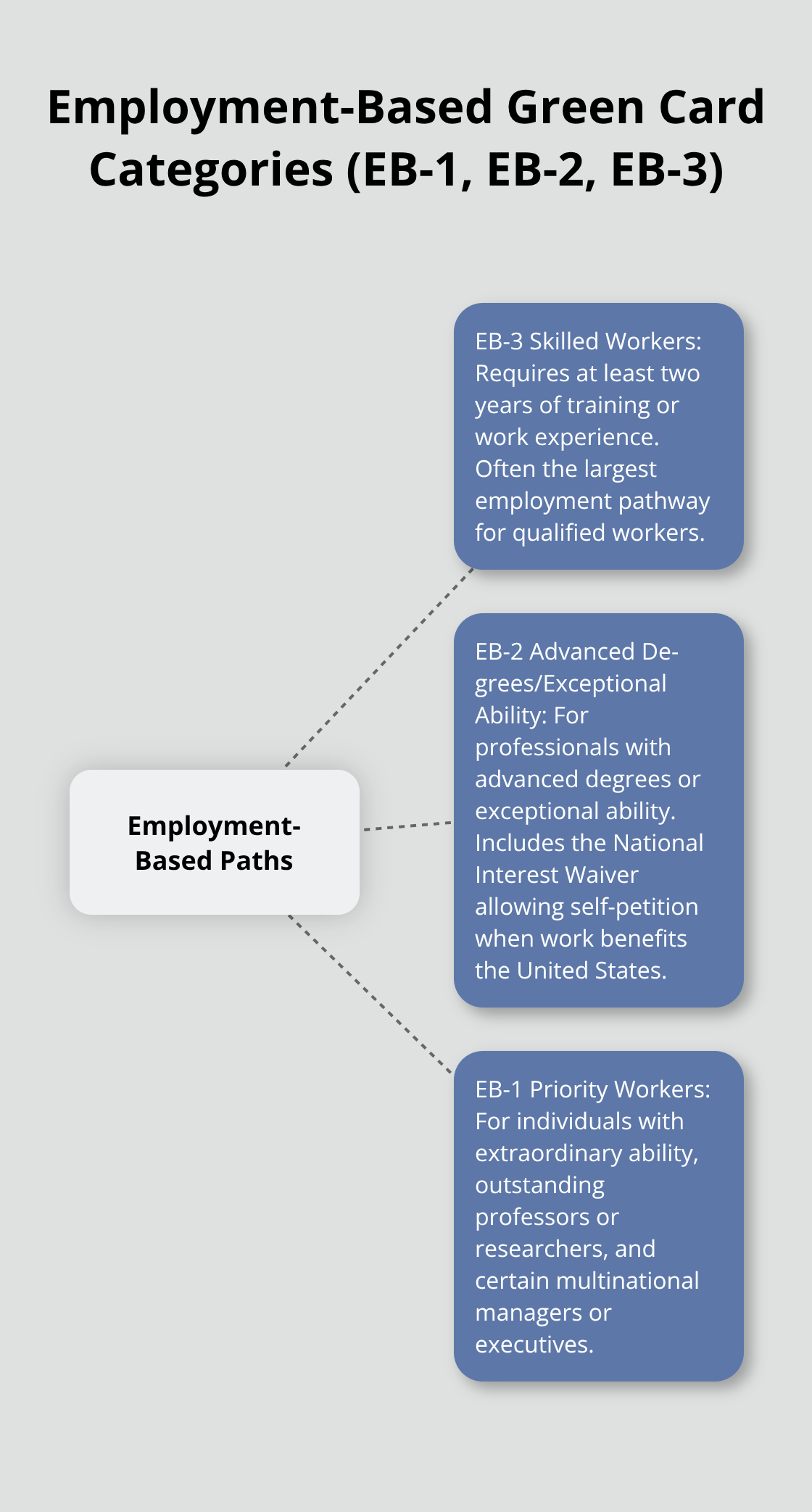
Employment-based green cards account for roughly one-third of all green card approvals annually according to USCIS data. The EB-3 category for skilled workers represents the largest employment pathway, requiring a minimum of two years of training or work experience in your field. EB-2 covers professionals with advanced degrees or exceptional ability, including the National Interest Waiver route that allows you to self-petition if your work benefits the United States substantially. EB-1 targets individuals with extraordinary ability, outstanding professors and researchers, or multinational managers and executives.
Your employer must obtain labor certification from the U.S. Department of Labor before sponsoring you-a process that typically adds 6 to 12 months to your timeline. If you work in healthcare, the Physician National Interest Waiver offers a faster track if you commit to serving in underserved areas. Massachusetts has significant healthcare demand in rural regions, making this pathway particularly viable for medical professionals in the state.
Family-Sponsored Green Cards
Family-sponsored green cards move faster for immediate relatives of U.S. citizens-spouses, unmarried children under 21, and parents over 21-because these categories have no annual visa caps. USCIS data shows immediate relative cases often resolve in 1 to 2 years, compared to family-preference categories that face substantial backlogs. Other family members (including siblings, adult children, and spouses of permanent residents) face annual caps that create waitlists extending 5 to 10 years or longer depending on your country of origin.
Diversity Visa Lottery and Humanitarian Routes
The Diversity Visa Lottery provides another pathway, offering 50,000 green cards annually to nationals from countries with historically low immigration rates to the United States. Massachusetts residents from eligible countries can apply during the annual registration period, though odds remain low at roughly 1 in 500 for applicants from high-demand regions.
Special programs including T visas for trafficking victims and U visas for crime victims offer humanitarian routes, as do VAWA self-petitions for abused spouses or children of U.S. citizens or permanent residents. Your specific eligibility depends entirely on your circumstances. Adjusting status from temporary parole to permanent residency involves specific requirements and careful paperwork that guide you through the process. Identifying your strongest pathway forms the foundation of a successful application, and understanding which route fits your situation determines how quickly you can move forward with your case.
Massachusetts Resources Support Your Green Card Application
State-Funded Services for Green Card Holders
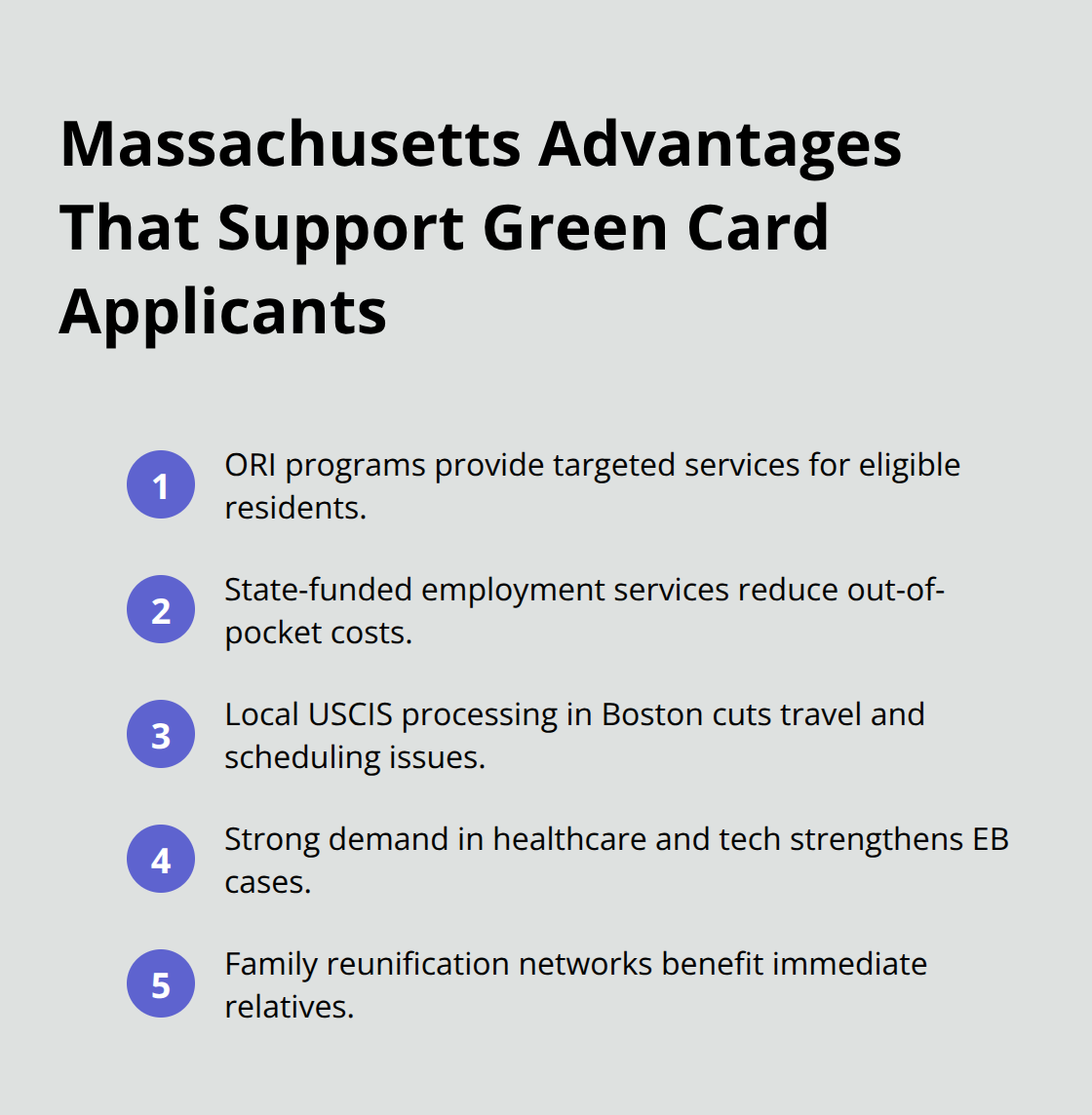
Massachusetts offers concrete advantages for green card applicants that go beyond federal USCIS requirements. The state’s Office for Refugees and Immigrants administers targeted services for eligible populations, including legal permanent residents pursuing citizenship pathways. Green card holders in Massachusetts can access state-funded employment services, particularly through ORI programs if you fall into specific eligible categories like refugee, asylee, trafficking victim, or Special Immigrant Visa holder status. This matters because state support reduces your out-of-pocket costs during the adjustment process. Contact the ORI directly to confirm your eligibility category, since program offerings vary by location within Massachusetts and some programs have income thresholds tied to TANF or TAFDC recipients.
Local USCIS Processing and Interview Advantages
Massachusetts maintains local USCIS processing centers in Boston, which means your biometric appointment and green card interview happen within the state. This eliminates travel expenses and scheduling complications that applicants in other regions face. The USCIS Boston field office maintains predictable scheduling patterns, which accelerates immediate relative sponsorships when interviews occur locally.
Employment-Based Opportunities in Massachusetts
The state’s proximity to major employment hubs in healthcare, biotechnology, and finance strengthens employment-based green card cases considerably. Physicians and healthcare workers pursuing the National Interest Waiver find substantial demand in Massachusetts hospitals and underserved rural areas. Technology professionals in the Boston area work for employers actively sponsoring EB-2 and EB-3 workers, which accelerates labor certification timelines compared to less competitive markets.
Family Reunification Networks
Massachusetts residents can leverage the state’s strong family reunification networks. Immediate relative sponsorships process faster when interviews occur locally because established scheduling patterns at the Boston field office reduce delays and complications that plague applications in other jurisdictions.
These state-specific advantages position Massachusetts applicants favorably, but identifying which resources match your eligibility status and employment situation requires careful analysis of your individual circumstances and the specific barriers that commonly derail applications.
What Disqualifies You From a Green Card
Medical and Security Grounds for Inadmissibility
Medical and security grounds for inadmissibility represent the most straightforward barriers to green card approval, yet many applicants overlook them until late in the process. USCIS requires a medical examination by an approved physician, and certain health conditions trigger automatic grounds for inadmissibility including communicable diseases, mental health disorders involving harmful behavior, and physical or mental defects affecting ability to work. You need vaccination records for measles, mumps, rubella, polio, tetanus, diphtheria, pertussis, hepatitis B, varicella, influenza, pneumococcal disease, and meningococcal disease according to current CDC guidelines. Most medical grounds allow for waivers if you demonstrate that the condition won’t pose a public health or safety risk, though obtaining a waiver adds 4 to 8 months and significant legal costs to your timeline. Security grounds include terrorism ties, espionage, persecution of others, and Nazi involvement. These grounds rarely allow waivers and typically result in permanent bars to admission.
Criminal Convictions and Immigration Consequences
Criminal history creates devastating consequences for green card applicants because immigration law treats certain crimes far more harshly than the criminal justice system does. A single conviction for drug possession, theft, assault, or fraud can trigger deportability grounds that make green card approval impossible. Crimes of moral turpitude, aggravated felonies, and crimes involving controlled substances carry specific immigration consequences that differ from their criminal sentences. Misdemeanors count equally with felonies in immigration proceedings, so a shoplifting conviction from ten years ago can derail your application today. If you have any criminal history whatsoever, you need legal analysis before filing because some convictions allow rehabilitation waivers while others do not. We at Law Offices of Jeffrey A. Thompson evaluate your specific convictions against current immigration law to identify whether your case remains viable or requires alternative strategies.
Financial Sponsorship and Income Documentation
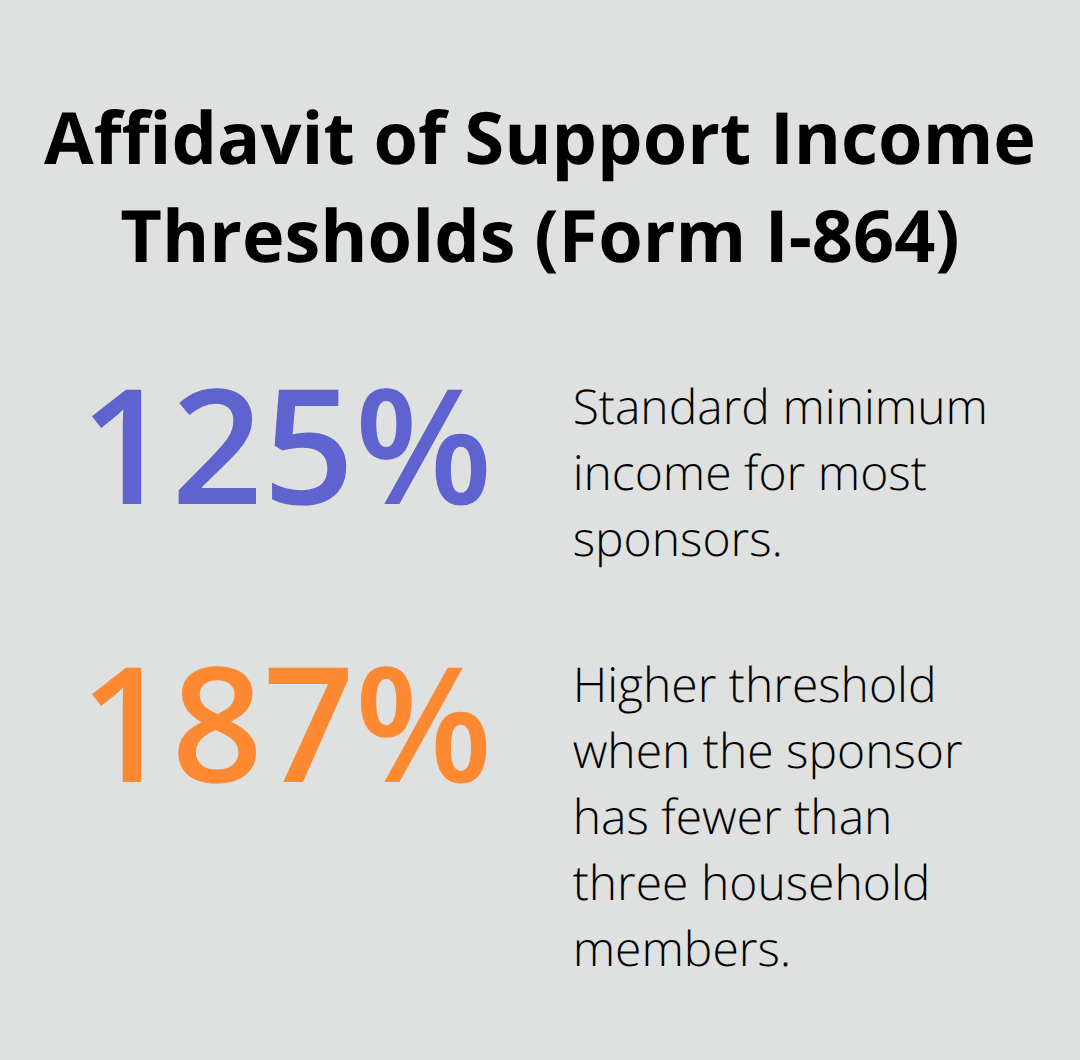
The Affidavit of Support requirement Form I-864 demands that your U.S. sponsor demonstrate household income at 125 percent of the federal poverty line, or 187 percent if the sponsor has fewer than three household members.
Your sponsor must provide tax returns for the past two years, W-2 forms, and current pay stubs proving consistent income. Self-employed sponsors face additional scrutiny requiring three years of tax returns and business documentation. If your sponsor’s income falls short, you can add joint sponsors, but each joint sponsor must also meet income thresholds independently. Many applications stall for months because sponsors submit incomplete financial documentation or fail to provide current information. Start gathering financial records immediately, even before filing, because delays in obtaining tax transcripts from the IRS can push your timeline back by 60 to 90 days.
Final Thoughts
Your green card eligibility in Massachusetts depends on matching your circumstances to the right pathway and addressing potential barriers before they derail your application. Employment-based sponsorship, family connections, and humanitarian programs each follow different timelines and requirements. Medical conditions, criminal history, and financial documentation gaps represent the most common reasons applications fail, yet these obstacles often become apparent only after months of processing.
Immediate relatives of U.S. citizens move fastest, typically resolving within 1 to 2 years, while employment-based cases take longer but offer viable pathways for skilled workers and professionals. If you have criminal history or medical concerns, you need legal analysis before filing because some barriers allow waivers while others create permanent bars to admission. Gathering financial documentation, medical records, and employment verification now accelerates your timeline significantly.
We at Law Offices of Jeffrey A. Thompson assist clients in navigating green card eligibility Massachusetts requirements from paperwork through interview preparation and overcoming legal hurdles. Attorney Thompson provides expert guidance tailored to your specific circumstances, helping you identify your strongest pathway and address obstacles that commonly derail applications. Contact us for a consultation to evaluate your eligibility and develop a strategy that fits your situation.
Share this post: