Spouse Immigration Brockton MA: Local Guidance for Families
May 1, 2026
Bringing your spouse to Massachusetts involves navigating complex immigration laws and strict federal requirements. The process demands careful attention to documentation, timelines, and procedural details that vary based on your specific situation.
We at Law Offices of Jeffrey A. Thompson help Brockton families move through spouse immigration with clarity and confidence. This guide covers the visa options, application steps, and common challenges you may face.
What Your Spouse Needs to Immigrate to Massachusetts
Legal Marriage Requirements
Spouse immigration to Massachusetts follows the Immigration and Nationality Act, which allows U.S. citizens and lawful permanent residents to petition for spouses. The process hinges on proving three critical elements: your marriage is legally valid, both parties entered it in good faith to build a life together, and you’re legally free to marry. Massachusetts recognizes civil marriages, common-law marriages where valid in the state of celebration, customary marriages, and same-sex marriages equally for immigration purposes. A valid marriage certificate serves as prima facie evidence of a legal marriage, though USCIS will examine additional documentation to confirm the marriage wasn’t entered into for immigration benefits alone.
The bona fide requirement doesn’t demand the marriage will last forever; it only requires you intended to establish a genuine household when you married. Many couples overlook this distinction and panic unnecessarily during review.
Documentation That Strengthens Your Case
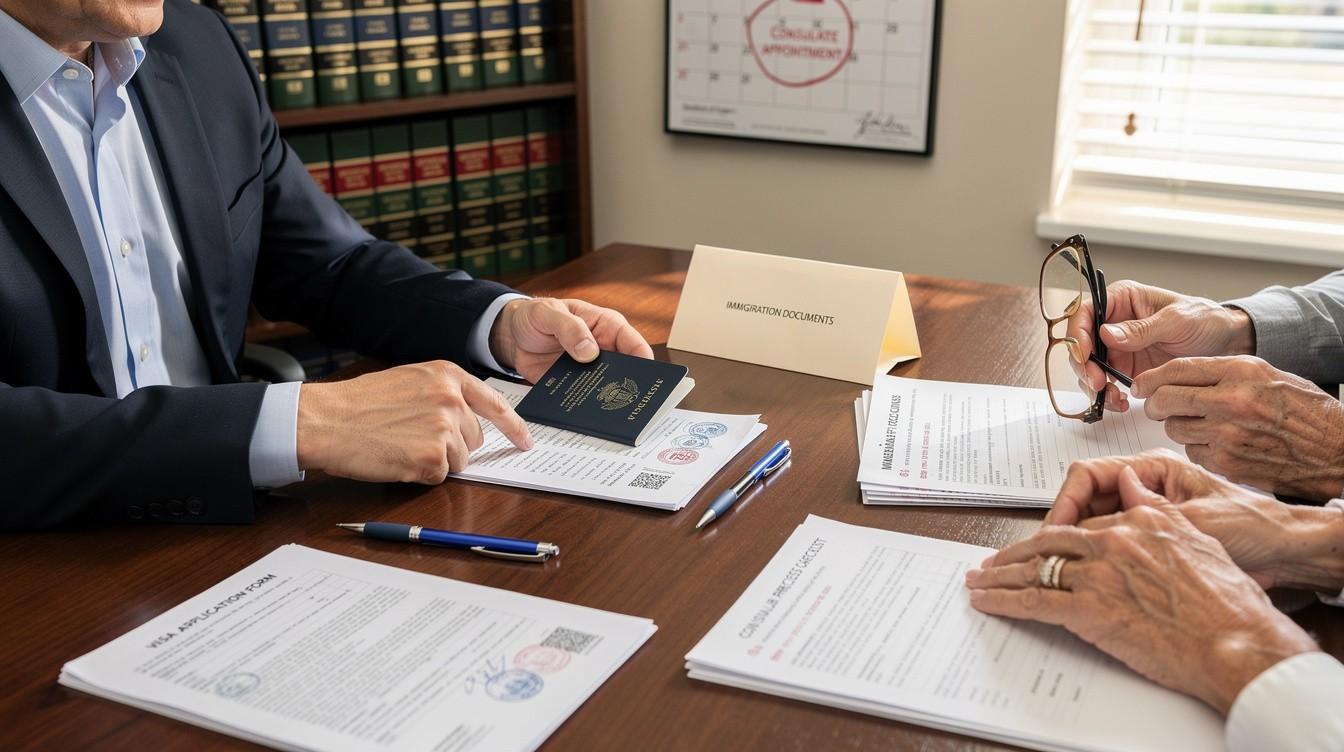
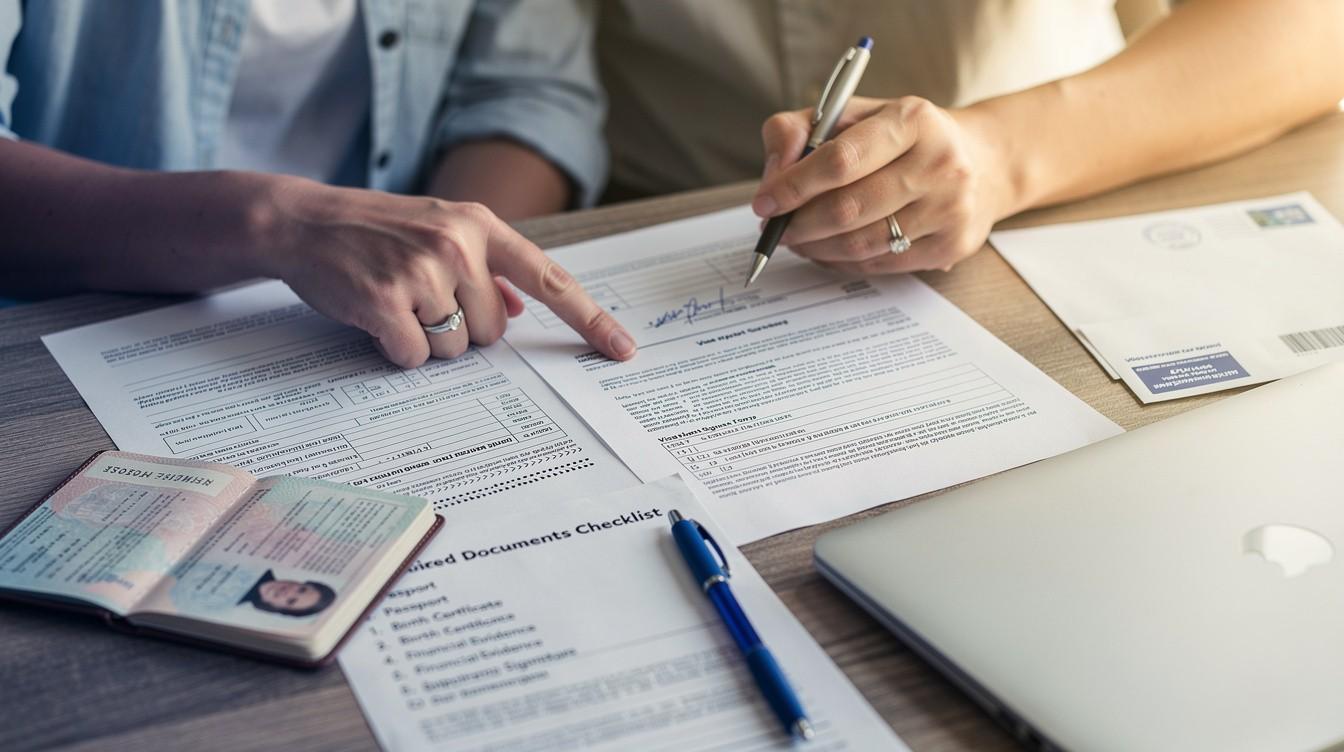
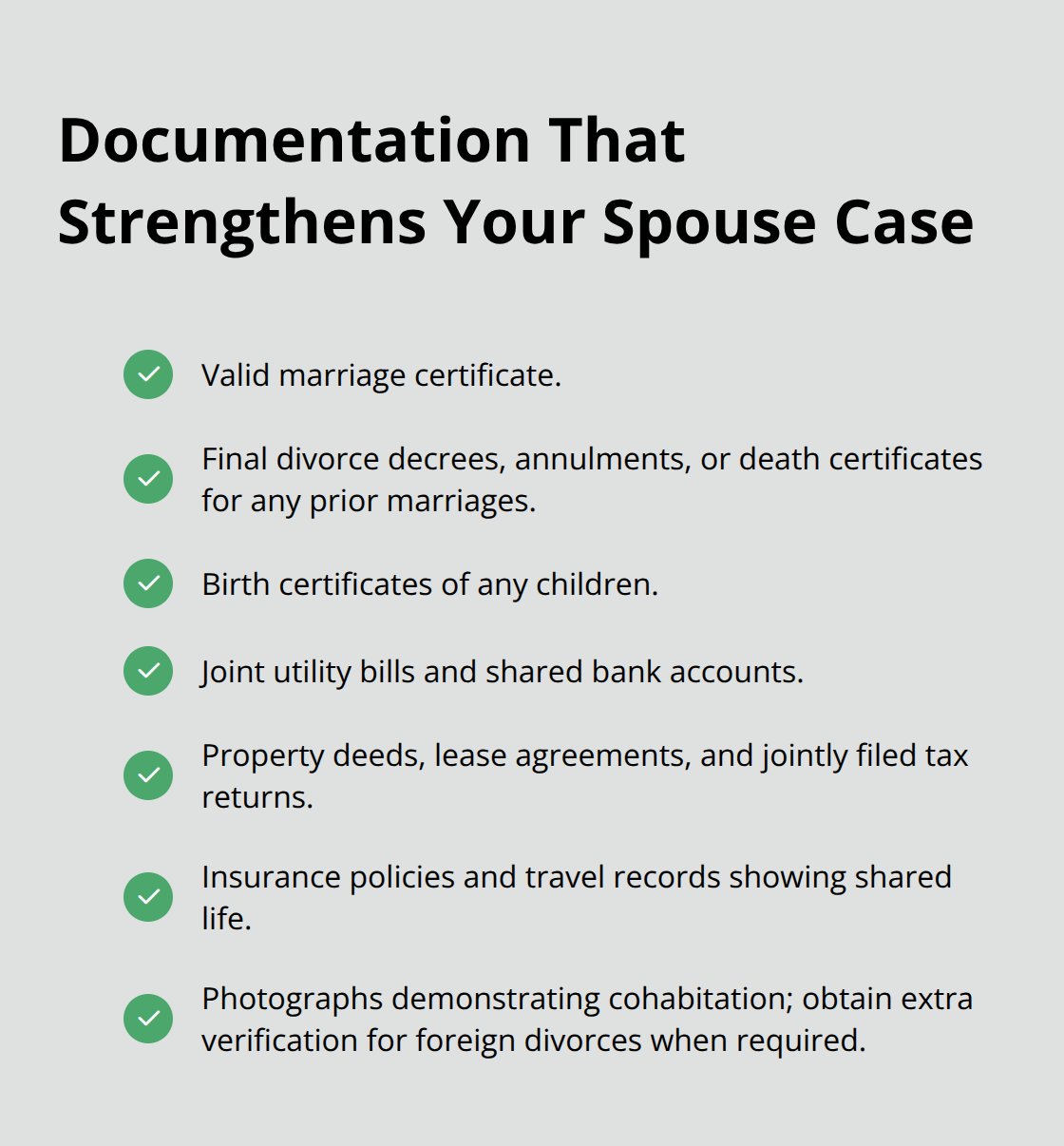
You’ll need your valid marriage certificate, evidence of termination of any prior marriages (final divorce decrees, annulments, or death certificates), birth certificates of any children, and substantial proof of your shared life together. Joint utility bills, shared bank accounts, property deeds, tax returns filed jointly, insurance policies, travel records, and photographs demonstrating cohabitation all strengthen your case. If your spouse was previously married, foreign divorces require recognition in the appropriate jurisdiction and may demand extra verification through consulates or courts.
Evidence Standards and Burden of Proof
USCIS applies a preponderance of the evidence standard, meaning more likely than not, except in specific circumstances. When the petitioner became a lawful permanent resident through a prior marriage within five years, the standard jumps to clear and convincing evidence. This higher threshold makes documentation even more critical in these situations.
Processing Timelines Vary by Category
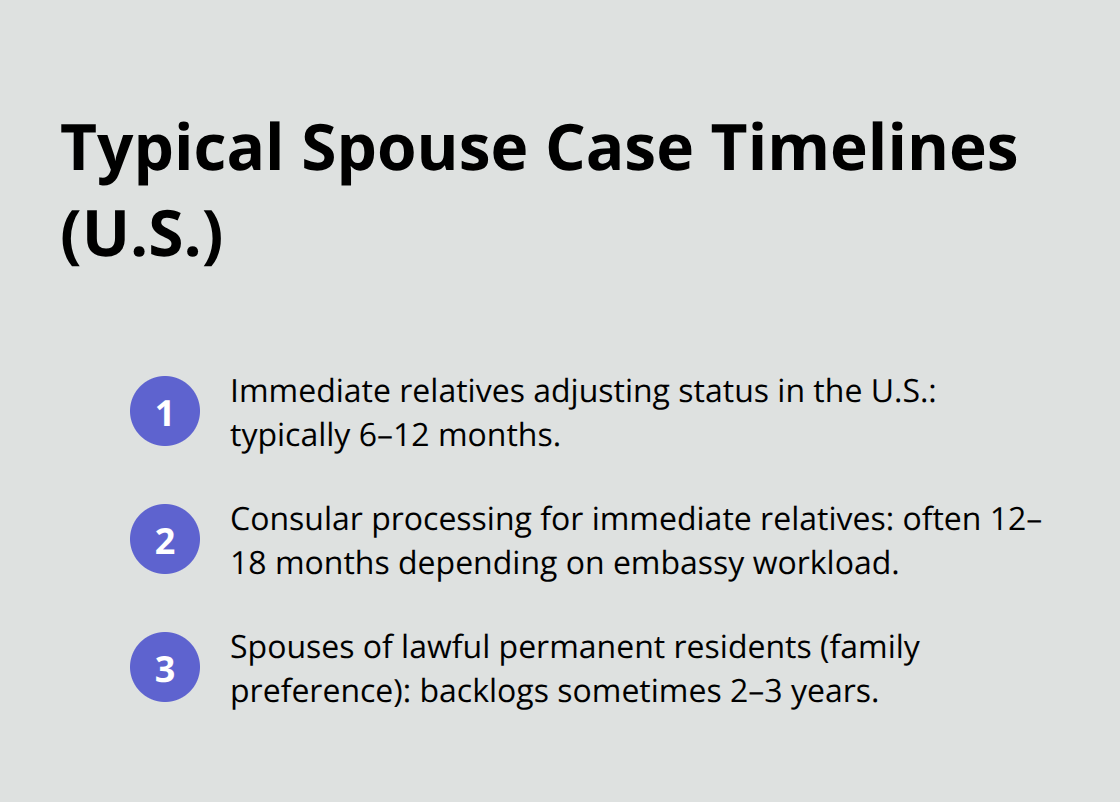
Immediate relatives of U.S. citizens typically process within 6 to 12 months for adjustment of status within the United States, while consular processing abroad can extend to 12 to 18 months depending on the embassy’s workload. Family preference categories for spouses of lawful permanent residents face longer backlogs, sometimes 2 to 3 years. Understanding which category applies to your situation determines how long you’ll wait. The next section walks through the actual application process and what happens after you file your petition.
How the Spouse Visa Application Actually Works
Filing Your Petition with USCIS
Filing your spouse petition with USCIS marks the official start of the process, and accuracy on the first submission saves months of delays. You submit Form I-130, Petition for Alien Relative, along with your marriage certificate, birth certificates, divorce decrees or death certificates from prior marriages, and comprehensive evidence of your shared life. USCIS receives roughly 2 million family-based petitions annually, so your application competes with massive caseloads. The petition fee runs $640, and USCIS processes immediate relative petitions (spouses of U.S. citizens) faster than family preference categories because they have no annual caps. Once USCIS approves your petition, your spouse either adjusts status within the U.S. if eligible or proceeds through consular processing abroad, depending on your circumstances.
Strengthening Your Documentation Package
Incomplete documentation triggers requests for evidence that extend timelines by 60 to 90 days unnecessarily. Gather every piece of joint financial documentation available: bank statements showing both names, property deeds, lease agreements, tax returns, insurance policies, and utility bills spanning at least several months. Photos of you together at recognizable locations, travel records, and correspondence addressed to both of you strengthen your case significantly. The more evidence you submit upfront, the faster USCIS moves through review.
Medical Exams and Background Checks
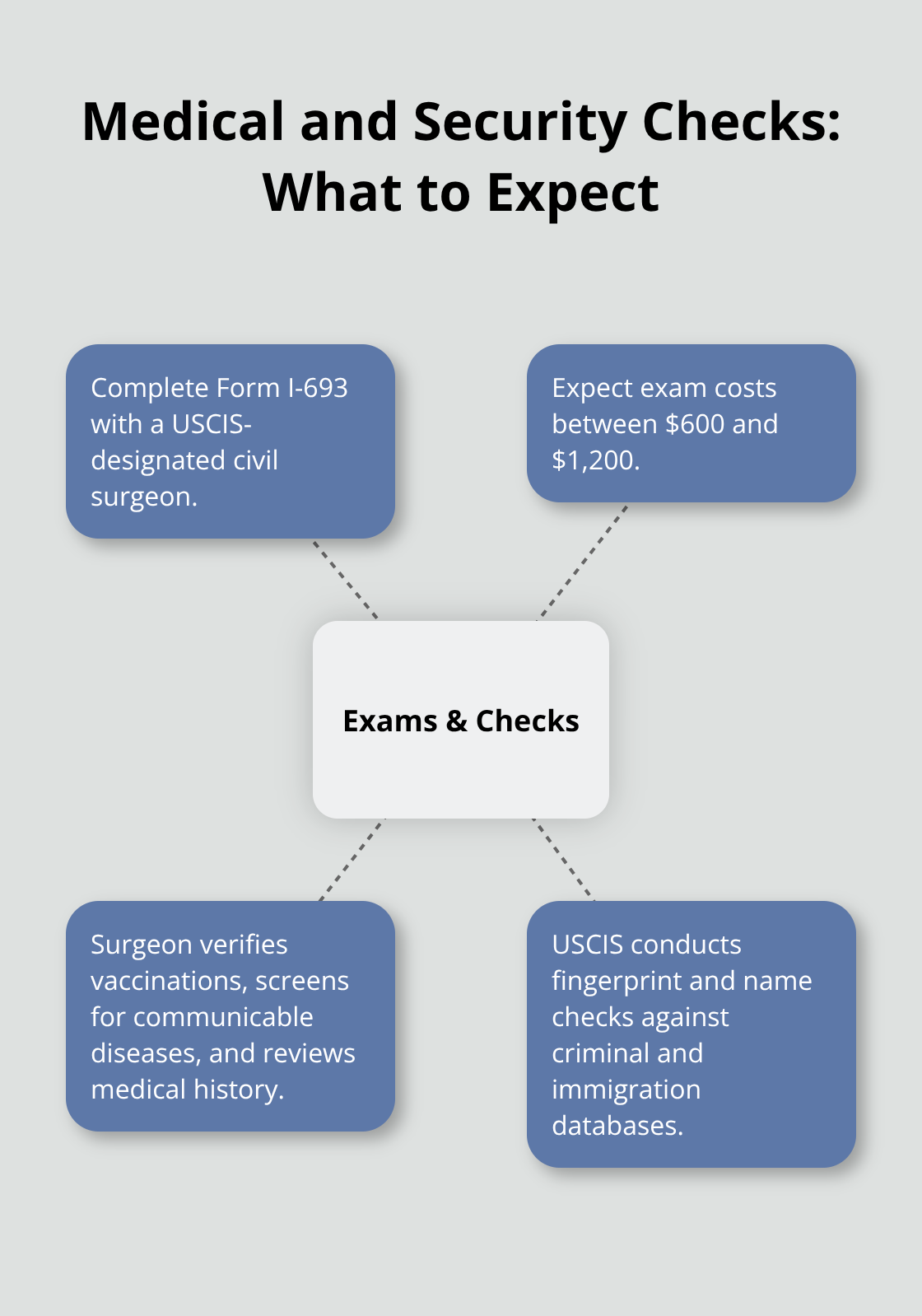
Medical exams and background checks occur after approval or during the adjustment of status interview, and these steps rarely derail legitimate cases. Your spouse completes Form I-693, Report of Medical Examination and Vaccination Record, with a USCIS-designated civil surgeon who charges between $600 and $1,200 for the exam. The civil surgeon verifies vaccinations, screens for communicable diseases, and reviews medical history; standard vaccines like MMR, polio, and tetanus typically satisfy requirements unless your spouse has documented medical contraindications. USCIS conducts background checks through fingerprinting and name checks against criminal and immigration databases.
Preparing for Your Interview
For the adjustment interview or consular interview, your spouse should prepare for questions about how you met, your relationship timeline, household finances, future plans, and details about each other’s family members. Interviewers ask specific questions to verify the marriage is genuine: they may ask what your spouse ate for breakfast, what time you both wake up, or details about your wedding day. Inconsistent answers between you and your spouse raise red flags and can result in denials. An immigration attorney can conduct a practice interview beforehand to eliminate surprises and build confidence. Your spouse should bring original documents to the interview, never copies, including the passport, medical exam results, police clearance certificates from countries where your spouse lived over six months, and any divorce or annulment documents from prior relationships.
What Happens Next in the Process
After your interview concludes, USCIS either approves your case, requests additional evidence, or denies your petition. Approval leads to visa issuance or adjustment of status completion, depending on which path your spouse followed. If USCIS requests evidence, you have a limited timeframe to respond with the requested documentation. Understanding what obstacles commonly arise during this stage helps you anticipate problems before they derail your case.
What Derails Spouse Immigration Cases
USCIS denies spouse petitions at meaningful rates, and the reasons cluster around three preventable problems. First, incomplete or inconsistent documentation creates the largest obstacle; applicants submit marriage certificates without evidence of shared finances, joint property, or cohabitation, leaving USCIS unable to verify bona fides. Second, income verification failures stop cases cold. The petitioner must demonstrate income at or above 125 percent of the federal poverty line, which for a household of two in 2026 means approximately $21,775 annually. Many petitioners underestimate this requirement and file without tax returns, W-2s, or employment letters that prove sufficient income. USCIS requests evidence to remedy gaps, extending timelines by months. Third, red flags in your application-such as short courtship periods before marriage, age gaps that seem unusual, or prior immigration-related denials-trigger heightened scrutiny. None of these obstacles is insurmountable, but addressing them proactively during preparation beats fighting denials afterward.
Income and Financial Documentation Demand Precision
Your income verification must match what USCIS expects. If you rely on employment income, submit your most recent two years of tax returns, recent pay stubs covering the last 30 days, and an employment letter from your employer that confirms your position, salary, and employment duration. Self-employed individuals face stricter scrutiny; USCIS examines your business tax returns, personal tax returns, and profit-and-loss statements to verify income stability. If your income falls short, you can add a co-sponsor-typically a family member-who files Form I-864, Affidavit of Support, with their own documentation. Many petitioners waste months collecting documents only to discover their co-sponsor’s income also falls short. Calculate your household income before you file; if it’s borderline, secure your co-sponsor and their documents first. Assets like savings accounts, investment accounts, and property can supplement income in some cases, but USCIS values liquid assets over real estate when evaluating financial capacity.
Red Flags Require Explanation, Not Avoidance
Interview officers notice patterns: marriages where the couple met online through immigration websites, marriages with significant age gaps, or relationships that progressed from first meeting to marriage in under three months. These patterns alone do not automatically result in denial, but they trigger requests for detailed explanation and additional evidence. Provide written statements that explain how you met, what drew you together, and how your relationship progressed. Include photographs spanning your relationship, correspondence that shows genuine communication, and statements from friends or family who can attest to your relationship’s authenticity. When USCIS requests a response, answer thoroughly and honestly; vague or evasive answers confirm suspicions. If your spouse is inadmissible due to prior immigration violations, criminal history, or health conditions, waivers of inadmissibility exist for certain grounds, though the process demands careful navigation. Attempting to conceal problems invariably backfires during interviews or background checks.
Documentation Gaps and Inconsistencies
Incomplete paperwork represents the single most common reason USCIS requests additional evidence or denies petitions outright. Applicants often submit only a marriage certificate and assume USCIS will approve the case without proof of shared life. USCIS requires substantial evidence that you and your spouse actually live together and built a household (joint utility bills, lease agreements, bank statements, tax returns filed jointly, insurance policies, and travel records all serve this purpose). Inconsistencies between what you claim and what documents show create serious problems. If you state you lived together for three years but your lease shows only one year, USCIS questions your credibility. If your spouse’s passport shows travel dates that contradict your claimed cohabitation timeline, officers flag the discrepancy. Organize your documents chronologically and ensure your narrative matches the evidence you submit.
Prior Denials and Immigration History
If USCIS previously denied your spouse’s immigration petition or your spouse has prior immigration violations, you face a steeper climb. Prior denials do not permanently bar future petitions, but you must address the reasons for the earlier denial directly. If the prior petition failed because of insufficient income, demonstrate increased income now. If it failed because of inconsistent testimony, provide clear written explanations and supporting evidence. Visa fraud, overstaying a visa, or unauthorized work creates grounds of inadmissibility that require waivers. These waivers are not automatic; you must prove that your spouse’s deportation would cause extreme hardship to you as a U.S. citizen or permanent resident. The hardship standard is high, and USCIS denies many waiver requests. Transparency about your spouse’s immigration history during the application process, rather than hoping USCIS overlooks it, positions your case more favorably.
Final Thoughts
Spouse immigration in Brockton, MA presents real challenges, but you don’t face them alone. The process demands precision with documentation, timing, and procedural requirements that shift based on your specific circumstances. Mistakes cost months of delays or result in denials that force you to restart from scratch. Local legal guidance makes the difference between a smooth approval and a frustrating rejection.
We at Law Offices of Jeffrey A. Thompson understand the stakes when your family’s future depends on getting your spouse’s immigration case right. Attorney Thompson brings dedicated expertise in immigration matters, guiding you through every step from initial paperwork to overcoming legal hurdles that derail other families. We handle the complexity so you can focus on preparing for your spouse’s arrival. Your next step is straightforward: gather your documentation now, even before you file, and organize your marriage certificate, evidence of prior marriage terminations, joint financial records, and proof of shared life together.
Contact us for a consultation to review your specific situation and assess your case before USCIS does. We identify potential obstacles early and build a strategy tailored to your circumstances. Whether you’re just beginning spouse immigration in Brockton, MA or facing a denied petition, Law Offices of Jeffrey A. Thompson provides the compassionate, knowledgeable representation your family deserves.
Share this post: