Immediate Relative Visa Options: Fast Tracks to U.S. Residency
June 8, 2026
Getting a green card through family ties is one of the fastest routes to U.S. residency. If you’re a spouse, unmarried child, or parent of a U.S. citizen, immediate relative visa options may be available to you right now.
We at Law Offices of Jeffrey A. Thompson help families navigate this process every day. This guide walks you through what qualifies, processing timelines, and common hurdles you’ll face.
Who Counts as an Immediate Relative
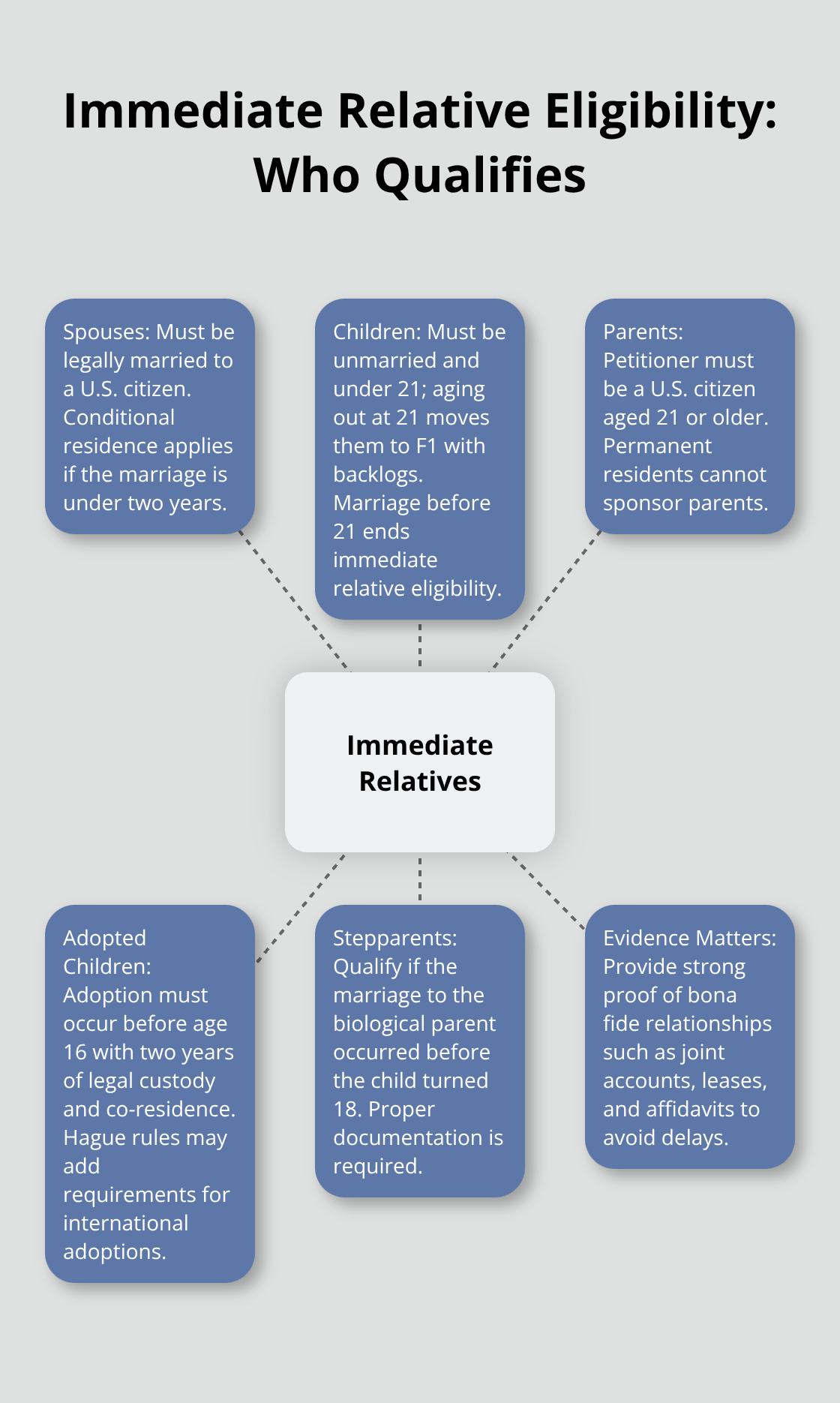
The three categories of immediate relatives are straightforward, but the details matter. Your spouse qualifies if you’re married to a U.S. citizen, regardless of how long you’ve been together. Unmarried children under 21 also qualify, but the moment they turn 21, they move into a different visa category with backlogs and wait times. Parents of U.S. citizens qualify only if the citizen is 21 or older, which is a critical threshold.
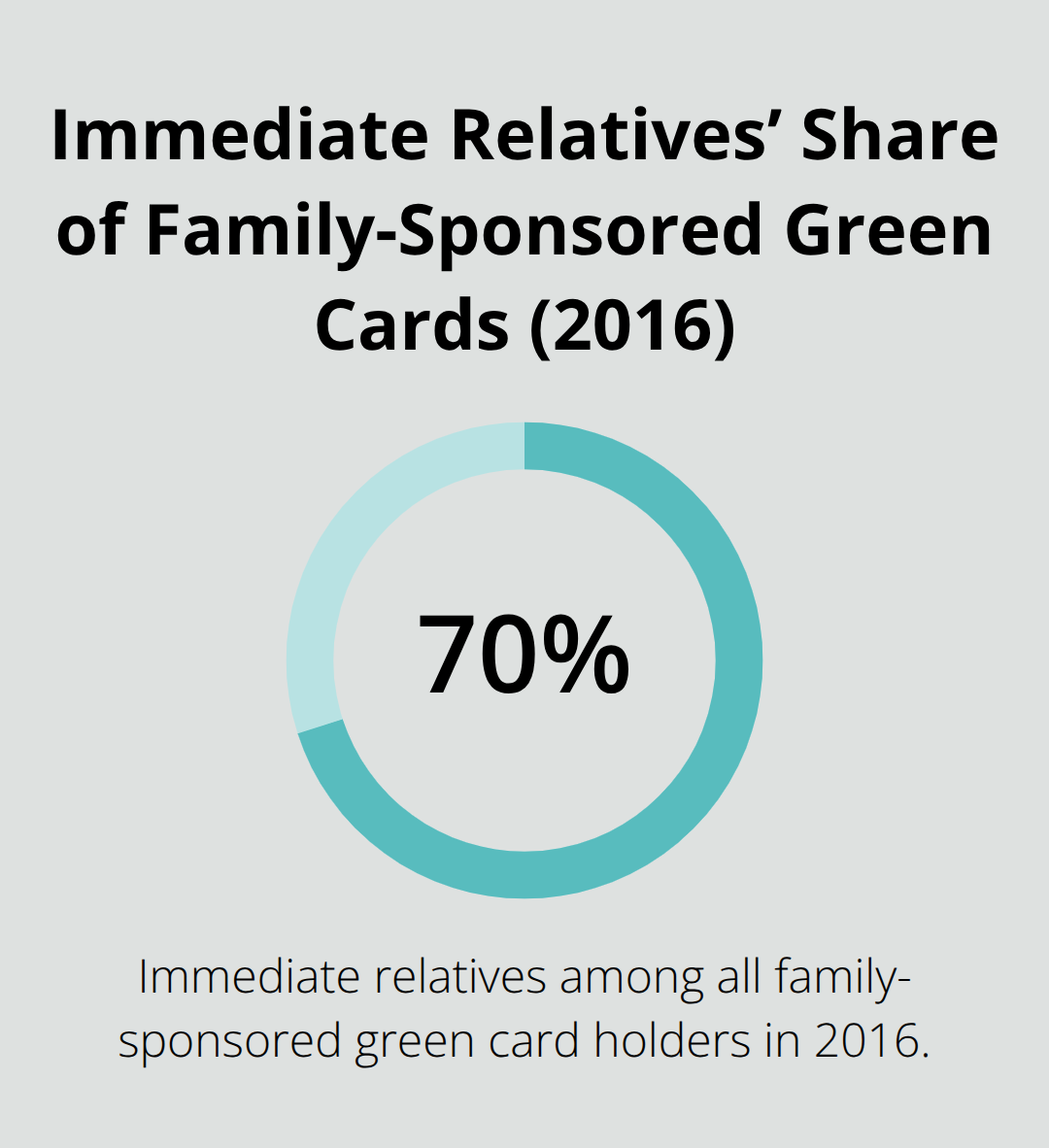
In 2016, immediate relatives made up about 70% of all family-sponsored green card holders, according to the Department of Homeland Security Yearbook, showing just how common this pathway is. The reason immediate relatives dominate is simple: there’s no annual cap. Unlike family preference categories where 226,000 visas are divided among all applicants nationwide, immediate relatives receive unlimited visas every single year. This means you won’t compete against thousands of other applicants or wait years for a visa number to become available.
Your Spouse Must Be Legally Married
A U.S. citizen’s spouse holds the strongest position in immigration law. Same-sex spouses receive identical treatment to opposite-sex spouses following the 2013 Supreme Court decision in United States v. Windsor, which ended the federal Defense of Marriage Act. If you’ve been married less than two years, USCIS will issue conditional permanent residence for two years instead of a standard green card. This isn’t a problem-it’s actually protective. You’ll both need to jointly file to remove conditions within 90 days before expiration, but you have legitimate reasons to request a waiver if the marriage ends, including hardship, abuse, or fraud. The key issue we see is that USCIS requires joint property ownership, shared leases, merged bank accounts, or affidavits from people who know you both. Inadequate relationship evidence causes delays and rejections.
Children Must Be Unmarried and Under 21
Your unmarried child qualifies as an immediate relative only until their 21st birthday. After that, they fall into the family preference category called F1, which has a backlog of years. The Child Status Protection Act offers some age-protection, but it doesn’t guarantee a quick outcome. If you’re considering sponsoring a child, file before they age out. The moment they turn 21, everything changes legally. Additionally, if your child marries before turning 21, they lose immediate relative status entirely and cannot use this pathway. Adopted children are eligible, but the adoption must have occurred before the child turned 16, and you must have had legal custody and lived with them for at least two years. If the adoption happened in another country, the Hague Convention rules may apply, adding complexity.
Parents Need You to Be 21 or Older
You can sponsor your parents only if you’re a U.S. citizen and 21 or older. Permanent residents cannot petition for their parents-citizenship is required. This is one of the few immediate relative categories that doesn’t apply to green card holders. Once you meet the age requirement, there’s no limit on how many parents you can sponsor. Adoptive parents qualify under the same rules as biological parents if the adoption occurred before you turned 16. Stepparents qualify if the marriage to your biological parent occurred before you turned 18. These relationships require documentation with birth certificates, marriage certificates, and adoption decrees, all certified and translated if they’re not in English.
Now that you understand who qualifies as an immediate relative, the next critical factor is understanding how fast these applications move compared to other family-based categories and what benefits you’ll receive while your case processes.
Why Immediate Relatives Skip the Line
Unlimited Visas Mean No Waiting Lists
Immediate relatives operate under completely different rules than other family-based applicants, and this distinction determines everything about your timeline and benefits. The Department of Homeland Security Yearbook from 2016 shows that immediate relatives comprised roughly 70 percent of all family-sponsored green card holders that year. This dominance exists because immediate relatives face zero annual caps or per-country limits. While the family-preference categories share just 226,000 visas annually across all four preference tiers, immediate relatives receive unlimited visas every single year.
There is no waiting list, no visa bulletin cutoff dates, and no competition with applicants from your country. The moment USCIS approves your Form I-130, a visa becomes immediately available. This eliminates the backlog that plagues family-preference categories like F4 (siblings), where applicants from oversubscribed countries like India, Mexico, the Philippines, and China currently face waits exceeding ten years according to National Visa Center data from late 2017.
Processing Speed Outpaces Family-Preference Categories
Processing speed for immediate relatives typically runs four to six months from filing to approval, though USCIS workload and your specific location affect this timeline. Family-preference applicants, by contrast, endure waits of several years before even becoming visa-eligible. The practical advantage extends beyond speed alone. While your Form I-485 is pending, you can immediately apply for employment authorization through Form I-765 and travel authorization through Form I-131. This means you can work legally and travel internationally without abandoning your green card application.
Work and Travel While Your Case Processes
Many applicants use this window to earn income while their case processes, removing financial strain during the waiting period. If you need to travel, file for Advance Parole before leaving the United States. Leaving without Advance Parole triggers automatic abandonment of your I-485, forcing you to restart the entire process. The I-765 is straightforward to obtain and typically receives approval within two to three months, allowing you to begin employment immediately. Filing both forms concurrently with your I-485 maximizes your legal standing during the adjustment period.
What Happens Next in Your Application
The speed and flexibility of immediate relative visas create a significant advantage, but your application still requires careful attention to documentation and admissibility standards. Understanding what USCIS examines during the adjustment process helps you prepare a stronger case and avoid common rejections that slow down even fast-track applications.
What Can Stop Your Immediate Relative Application
Medical examinations and background checks represent the final gatekeepers before USCIS approves your green card, and both require meticulous preparation. The medical exam, conducted by USCIS-designated civil surgeons, costs between $600 and $1,200 depending on your location and whether you need additional tests. You must complete Form I-693 and include it with your I-485 application; USCIS rejects your entire application without review if you submit it late or incompletely. The examination covers vaccinations, tuberculosis screening, and general health conditions, though most medical grounds of inadmissibility allow waivers through Form I-601. The real problem emerges when applicants skip vaccinations or hide health conditions, forcing them to return for rechecks that delay processing by months.
Schedule Your Medical Exam Correctly
Schedule your medical exam only after USCIS provides the required civil surgeon list for your area. Bring your passport, I-94 or admission stamp, and any previous medical records to your appointment. Many applicants waste time visiting unauthorized providers or scheduling exams before USCIS officially designates their civil surgeon, which restarts the entire timeline. The civil surgeon must follow USCIS protocols exactly, or the exam results carry no legal weight.
Obtain Police Certificates Before Filing
Background checks examine criminal history, fraud, security concerns, and immigration violations. USCIS requests certified police certificates from every country where you’ve lived for more than six months, and you must obtain these documents yourself before filing. Police certificates from some countries take four to six months to acquire, so start this process immediately. Any arrest, regardless of outcome, requires disclosure with certified court records attached; hiding arrests triggers fraud findings that bar you from adjustment entirely.
Gather Relationship Evidence Thoroughly
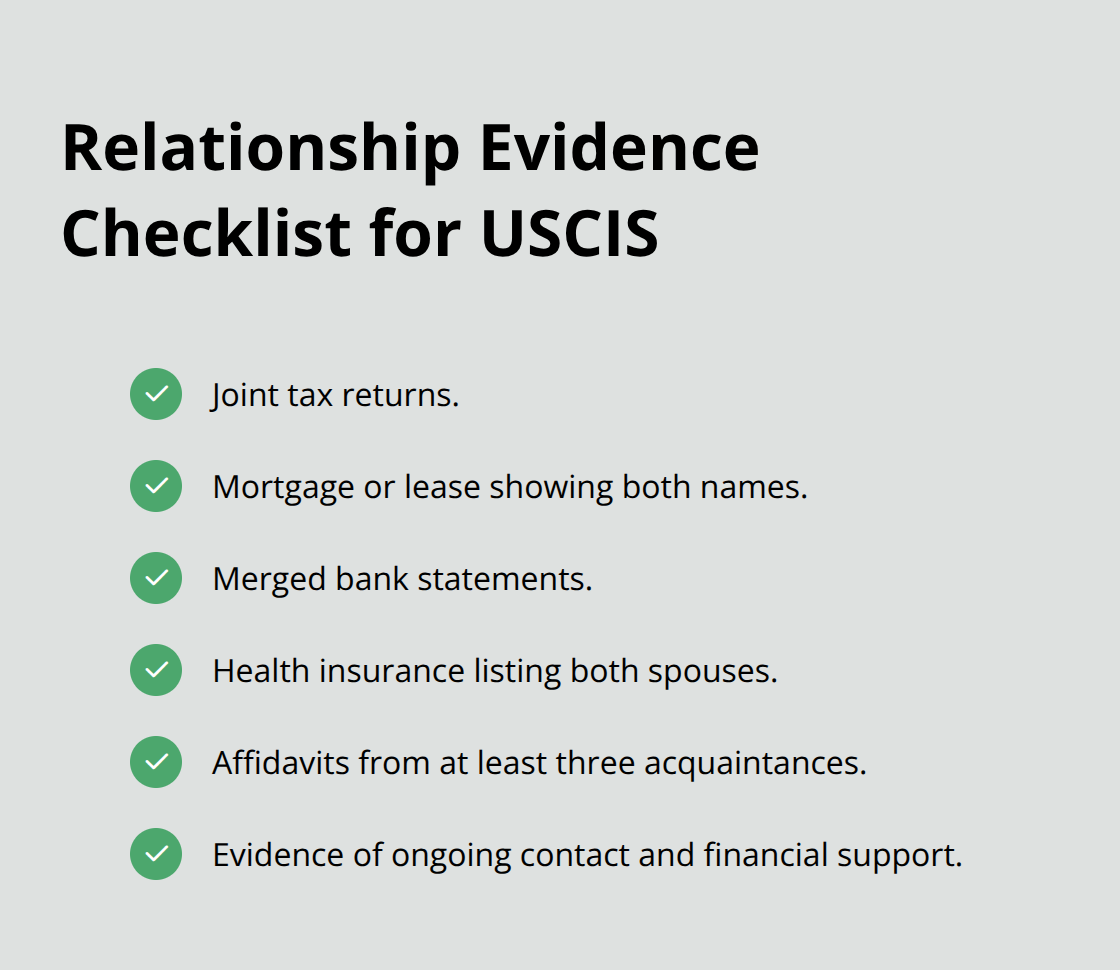
The documentation phase demands the most attention because relationship evidence directly determines whether USCIS believes your marriage, parent-child bond, or family connection is genuine. Inadequate evidence stands as the leading reason immediate relative cases stall or receive Requests for Evidence. For spousal petitions, provide joint tax returns, mortgage documents or rental agreements showing both names, merged bank statements, health insurance policies listing both spouses, and affidavits from at least three people who know you as a married couple. For parent-child relationships, birth certificates and passports establish identity, but you also need evidence of ongoing contact and financial support if the child has been away from the parent for extended periods.
Handle Adoption Cases With Extra Care
Adopted children require the original adoption decree showing the adoption occurred before age sixteen, plus evidence of legal custody and shared residence for the required two years. USCIS scrutinizes adoption cases heavily, particularly if the adoption happened internationally, because trafficking and fraud concerns carry criminal penalties. The complexity of international adoptions makes professional guidance valuable for navigating Hague Convention requirements and documentation standards.
Translate All Non-English Documents Correctly
Every non-English document must include a certified English translation with the translator’s oath of accuracy, not just a generic translation. Missing or inaccurate translations cause rejections that restart your timeline. Invest in professional translators who understand immigration requirements rather than relying on friends or online services that lack proper certification credentials.
Final Thoughts
Immediate relative visa options represent the fastest and most direct path to U.S. residency available through family-based immigration. You skip the waiting lists that trap family-preference applicants for years, you gain unlimited visa availability regardless of your country of origin, and you can work and travel while your case processes. Yet speed alone does not guarantee approval, as medical examinations, background checks, and relationship documentation remain critical hurdles that derail applications when handled carelessly.
Start gathering documentation immediately rather than waiting weeks or months to begin. Schedule your medical exam only after USCIS provides your designated civil surgeon, request police certificates from every country where you lived for more than six months, and collect joint financial records, property documents, and affidavits that establish your family connection. If you sponsor a child, file before their 21st birthday; if you sponsor a parent, confirm you hold U.S. citizenship and are at least 21 years old.
We at Law Offices of Jeffrey A. Thompson help clients navigate immediate relative visa applications from initial paperwork through final approval. Attorney Thompson provides expert guidance in overcoming legal obstacles and moving your case forward efficiently. Contact our office to discuss your situation and begin your application with confidence.
Share this post: