Naturalization Interview Tips: A Calm Guide to Your Test
August 7, 2026
The naturalization interview is one of the most important steps in your path to U.S. citizenship. Many applicants feel nervous about this process, but preparation makes all the difference.
At Law Offices of Jeffrey A. Thompson, we’ve helped countless people succeed in their naturalization interviews. This guide walks you through what to expect, how to prepare, and practical strategies to stay calm and confident on the day of your test.
What Happens During Your Naturalization Interview
Understanding the Three Core Areas
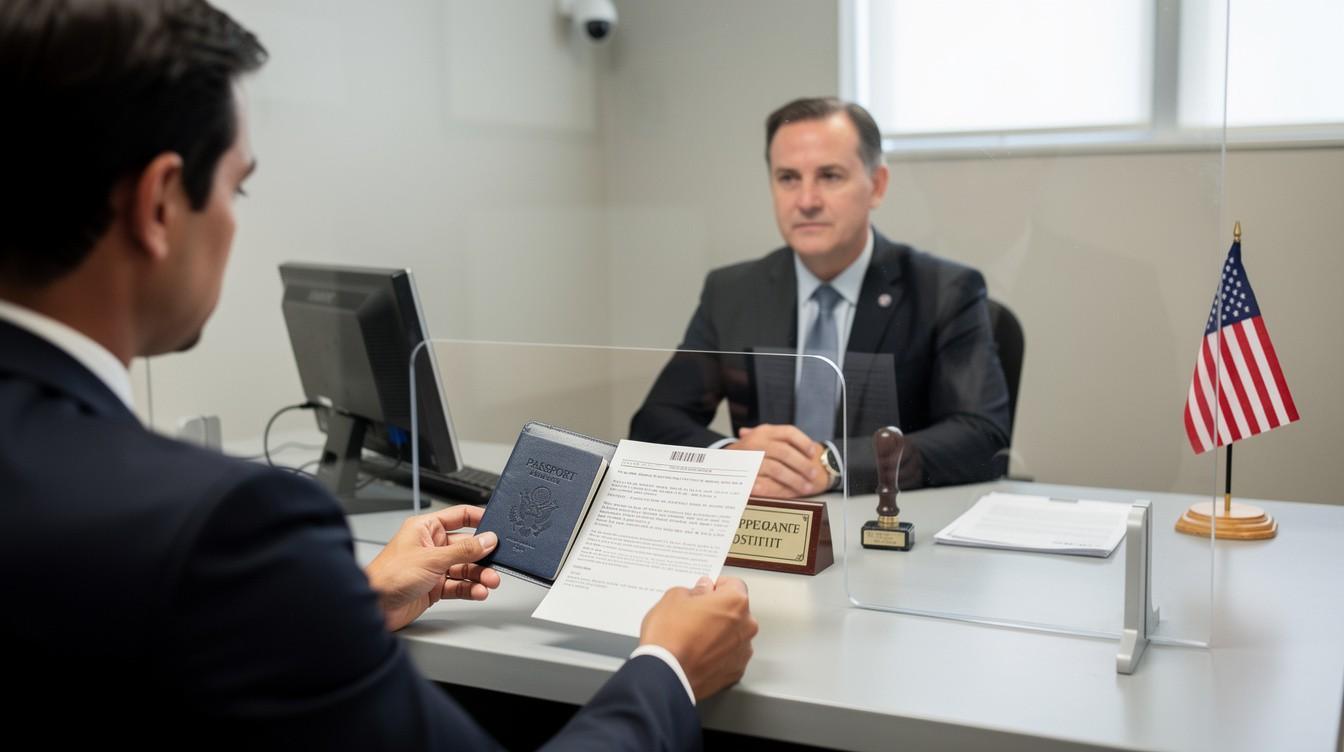
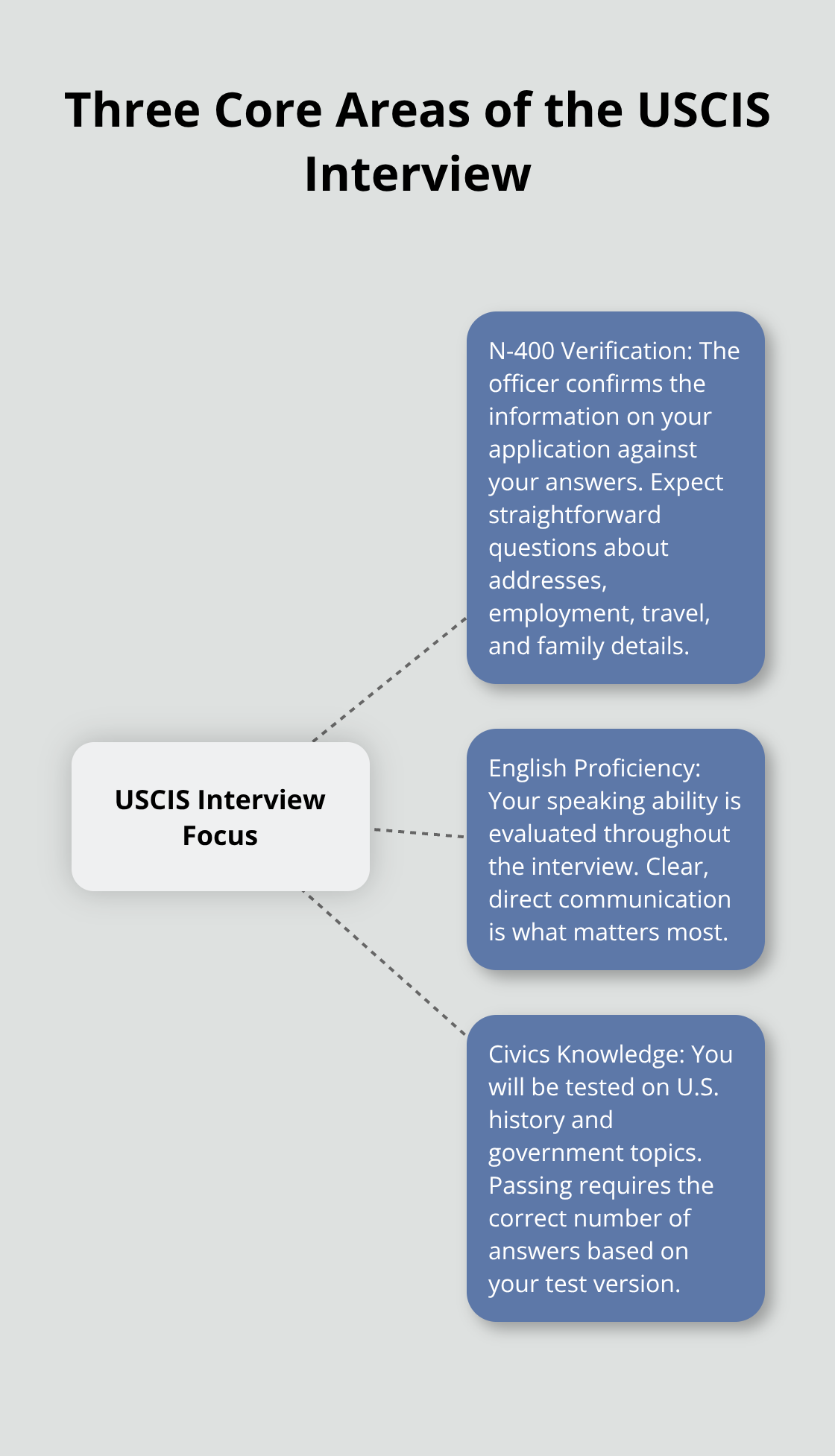
The USCIS officer will focus on three core areas: verifying the information on your N-400 application, assessing your English proficiency, and testing your civics knowledge. According to USCIS, the typical interview lasts between 20 and 40 minutes, though this varies based on your specific circumstances and how straightforward your answers are. The officer will review your N-400 page by page to confirm details like your current address, employment history, family relationships, and any trips you took outside the United States since obtaining permanent residency.
This is not an interrogation-it’s a verification process. Your job is to answer honestly and directly. If you’re unsure about a date or detail, say so rather than guessing.
Speaking, Reading, and Writing: The English Test
The officer will assess your ability to speak English throughout the conversation, so clear and confident communication matters from the moment you walk in. Speaking is evaluated as you answer the officer’s questions during the entire interview. For the reading portion, you’ll read one sentence aloud from three options provided. For writing, you’ll write one sentence from three options. Neither component requires perfect grammar or pronunciation-minor errors are acceptable as long as your meaning is clear.
The Civics Test: What You Need to Know
The civics test differs based on when you filed your N-400. If you filed before October 20, 2025, you take the 2008 civics test with up to 10 questions from a bank of 100, and you must answer at least 6 correctly to pass.
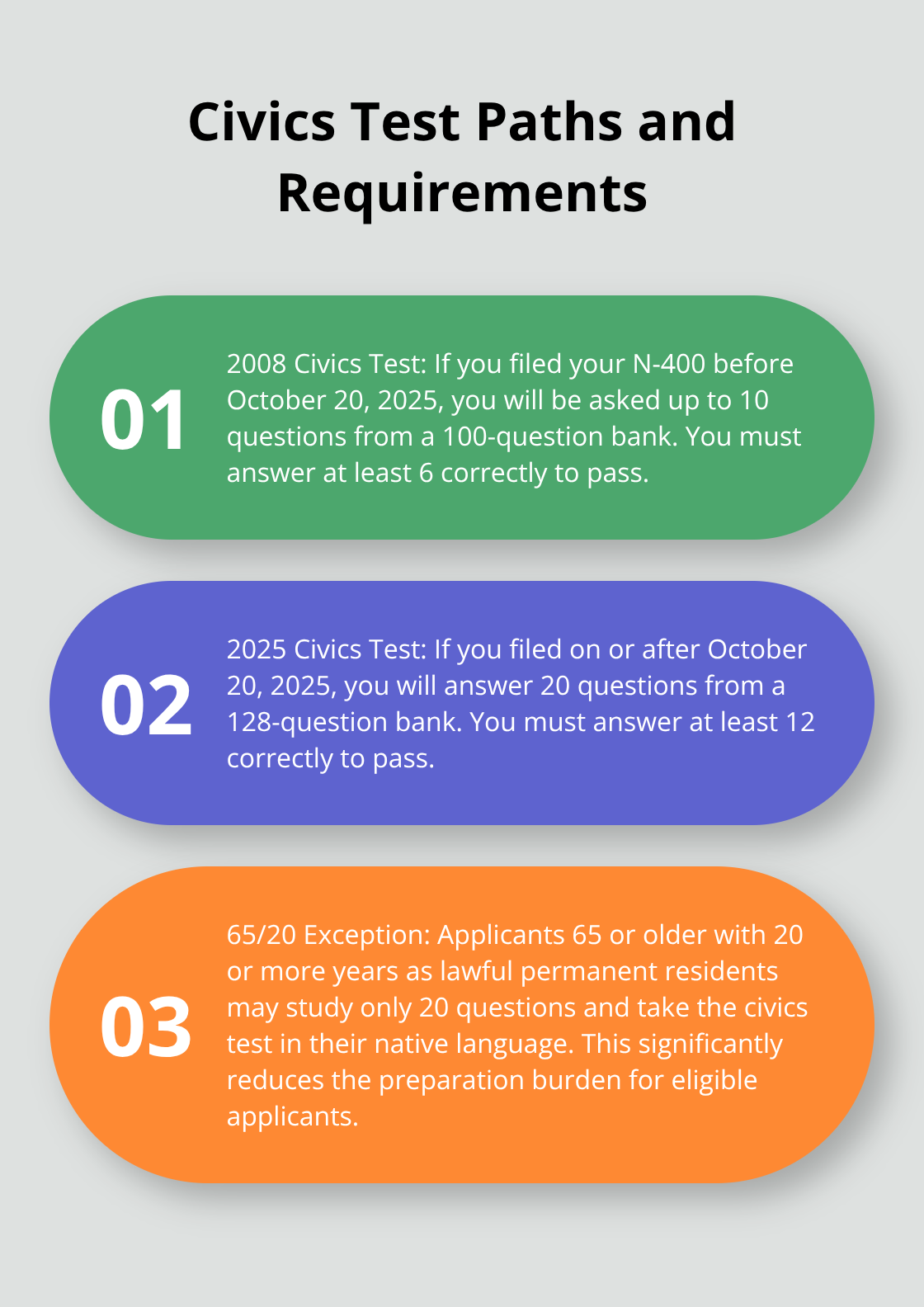
If you filed on or after October 20, 2025, you take the 2025 civics test with 20 questions drawn from a bank of 128, and you must answer at least 12 correctly to pass. If you’re 65 or older with 20 or more years as a lawful permanent resident, you qualify for the 65/20 exception for naturalization applicants, which allows you to study only 20 questions and take the test in your native language. The civics test covers American history, government structure, the Constitution, rights and responsibilities, and the electoral process. Study materials are free through the USCIS Citizenship Resource Center.
Documents You Must Bring
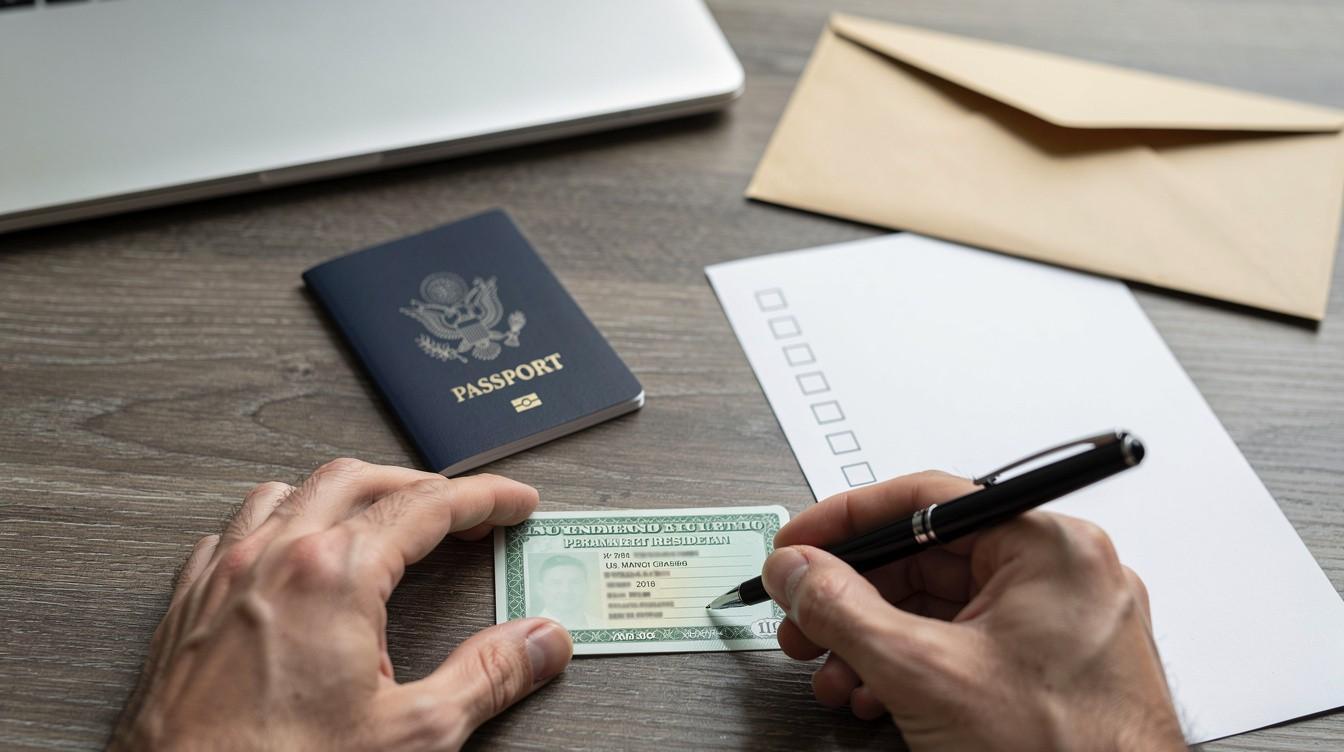
Bring your appointment notice (Form I-797C), current green card, valid state ID, all passports used since becoming a permanent resident, tax transcripts from recent years, and any marriage or divorce certificates if applicable. If you’ve changed addresses or jobs since filing your N-400, bring documentation proving those changes. The USCIS processing timeline for N-400 applications typically ranges from 8 to 12 months, though this varies by location and case complexity. Common delays stem from incomplete information, missing tax returns, inconsistent details across your application, or unresolved employment verification issues.
Preparing Before Interview Day
Thoroughly review your submitted N-400 and bring a copy to refresh your memory on dates and addresses. Update USCIS immediately if you move or change jobs during processing-failure to do so creates unnecessary complications. Expect security screening when you arrive at the USCIS office, and plan to arrive about 15 minutes early to account for wait times. Dress in business casual attire; your appearance signals respect for the process and helps you feel more confident. With these documents organized and your application details fresh in your mind, you’re ready to focus on the specific preparation strategies that will help you perform well on the English and civics components.
How to Build Real English and Civics Skills Fast
Your English proficiency and civics knowledge determine whether you pass your naturalization interview. The good news: both are learnable skills that respond well to focused, consistent practice.
Master Conversational English for the Interview
Speaking English during the interview isn’t about sounding like a news anchor-it’s about communicating clearly enough that the USCIS officer understands your meaning. Minor pronunciation errors and small grammar mistakes won’t hurt you as long as your intent is clear. Start practicing conversational English immediately. Talk aloud about your daily life, your job, your family, and your immigration journey. Record yourself answering common interview questions and listen back to identify unclear words or rushed pacing. Speak slowly and deliberately during these practice sessions. The officer will assess your ability to speak English throughout the entire conversation, so clear and confident communication matters from the moment you walk in.
Study the Official Civics Materials Strategically
The civics portion requires different preparation entirely. If you filed your N-400 before October 20, 2025, you’ll face up to 10 questions from the 100-question bank and must answer 6 correctly. If you filed on or after that date, you’ll answer 20 questions from the 128-question bank and need 12 correct. USCIS provides free official study materials through their Citizenship Resource Center, and these materials form the exact basis for your test. Don’t waste time on unofficial civics guides-use only the official question lists and answers. The civics test covers American history, government structure, the Constitution, rights and responsibilities, and the electoral process. Read through the entire official question set multiple times, not just skimming answers. Understanding the reasoning behind each answer matters more than memorizing words. Many people successfully pass their civics test by studying 15 to 20 minutes daily for four to six weeks using the official USCIS materials.
Practice Reading, Writing, and Oral Responses
For the reading and writing components, USCIS provides specific vocabulary lists focused on civics and history topics. You’ll read one sentence aloud from three options and write one sentence from three options-both relatively simple tasks if you’ve practiced. Use the official reading and writing vocabulary lists to familiarize yourself with the terms you might encounter. Practice reading sentences aloud slowly and clearly, then practice writing simple sentences using civics vocabulary. Create a realistic practice environment by having a friend or family member ask you civics questions aloud and time your responses, since the actual interview is oral. Many applicants find that practicing with a study partner who asks questions randomly from the official bank is far more effective than silent study.
Leverage Exemptions and Targeted Study Plans
If you qualify for the 65/20 exception, study only the 20 starred questions in the official materials and you may take the civics test in your native language, significantly reducing your preparation burden. Avoid the trap of over-studying unrelated material. Focus exclusively on the official USCIS civics questions, the official vocabulary lists, and conversational English practice relevant to your background and immigration story. This targeted approach produces better results than general English courses or generic civics books. With your English and civics skills sharpened through consistent practice, you’re now ready to address the personal background questions that officers will ask during your interview.
Performing Well Under Pressure
Prepare the Night Before and Arrive Early
The morning of your naturalization interview, anxiety peaks for most applicants. Start your preparation the night before by laying out everything you need: your appointment notice, green card, state ID, all passports, tax transcripts, marriage certificate if applicable, and a copy of your N-400 application. According to USCIS guidance, arriving 15 minutes early gives you time to settle into the waiting area and calm your mind before the officer calls you. Wear business casual clothing-nothing flashy, nothing too casual. Your appearance signals respect for the process and genuinely helps you feel more composed once you sit across from the officer.
Control Your Breathing and Body Language
The typical interview lasts 20 to 40 minutes, so mental preparation for that specific timeframe matters more than worrying about a vague future event. Practice deep breathing the moment you sit down in the interview room. Breathe in slowly for four counts, hold for four, and exhale for four.
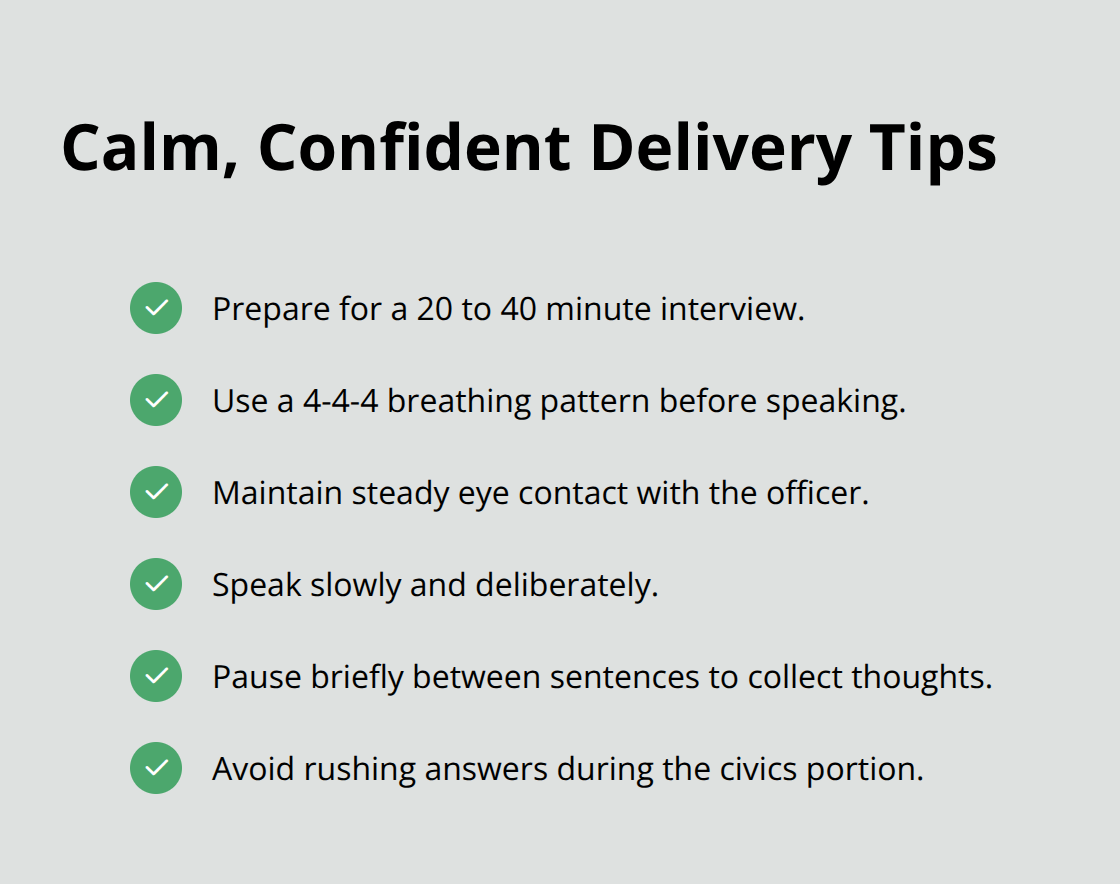
This simple technique reduces your heart rate and steadies your voice before you speak. Make eye contact with the officer throughout the interview. This nonverbal communication reinforces your confidence and honesty. Speak slowly and deliberately, especially during the civics portion. Rushing your answers makes you sound nervous and can lead to unclear pronunciation. Pause between sentences to collect your thoughts.
Answer Questions Directly and Honestly
When the officer asks questions, answer directly and honestly without over-explaining. If you’re asked about your employment history, state your job title, company name, and dates-then stop. Officers will ask follow-up questions if they need more detail. If a civics question stumps you, admit you don’t know rather than guessing. The USCIS officer expects some applicants to struggle with specific civics questions and won’t penalize you for saying you’re unsure. For the N-400 interview, you must answer at least 6 correct out of 10 civics questions if you filed before October 20, 2025, or 12 correct out of 20 if you filed on or after that date-one wrong answer doesn’t end your interview. If you fail to understand a question, ask the officer to repeat it or rephrase it. Officers are trained to accommodate this request, and it’s far better to ask for clarification than to answer the wrong question.
Handle Difficult Moments with Composure
If you become emotional discussing a difficult part of your immigration journey, take a moment to compose yourself. The officer understands that these interviews carry emotional weight. Bring a pen and small notepad if you need to jot down a date or address to refresh your memory-this shows organization and honesty rather than weakness. The difference between passing and struggling often comes down to how you manage stress in those final hours and during the actual interview.
Understand What Happens If You Don’t Pass
If you fail any portion of the test, USCIS schedules a second interview between 60 and 90 days later, and you retake only the portion you didn’t pass. Most applicants who fail one section succeed on their second attempt with focused preparation on that specific area. Your permanent resident status remains intact throughout this process, so a first failure is not a final outcome.
Final Thoughts
Your naturalization interview marks a significant milestone in your journey to U.S. citizenship. The naturalization interview tips outlined in this guide-reviewing your N-400 thoroughly, mastering conversational English, studying official civics materials, and managing stress on interview day-directly improve your chances of passing. Most applicants who follow these strategies succeed because they focus on what actually matters: honest answers, clear communication, and genuine preparation rather than anxiety.
After your interview, you’ll receive Form N-652 showing whether you passed, need to retake a portion, or require additional documentation. If you pass, USCIS will notify you of your oath ceremony date through Form N-445, where you’ll surrender your green card and receive your Certificate of Naturalization. If you need to retake the English or civics portion, a second interview typically occurs within 60 to 90 days, and most applicants succeed on their second attempt with focused study.
We at Law Offices of Jeffrey A. Thompson understand that immigration matters involve both legal complexity and personal stakes. If you face complications during your N-400 process-such as inconsistencies in your application, criminal history concerns, or questions about your moral character-professional guidance makes a real difference. Your permanent resident status remains secure throughout this process, so approach your interview as a manageable step forward rather than a final judgment.
Share this post: