Massachusetts Green Card Attorney: How a Local Expert Can Help
September 11, 2026
Getting a green card is one of the most important decisions you’ll make. The process involves multiple steps, strict deadlines, and complex paperwork that trips up many applicants.
A Massachusetts green card attorney can guide you through each stage and help you avoid costly mistakes. We at Law Offices of Jeffrey A. Thompson have helped countless clients navigate this path successfully.
What Green Card Pathway Fits Your Situation
Getting a green card depends entirely on your circumstances, and Massachusetts has specific resources that can accelerate your application. The U.S. immigration system offers multiple pathways, and selecting the right one makes the difference between approval and rejection. Employment-based green cards move faster for skilled workers, with EB-1 priority workers sometimes obtaining approval within months rather than years. Family-sponsored applications take longer but represent the largest category of green card approvals. The diversity visa lottery accepts only 50,000 applicants per year from countries with low immigration rates to the United States, making it statistically the hardest pathway despite lower application costs. Special immigrant categories exist for specific groups like religious workers, military translators, and victims of trafficking, but these require precise documentation that most applicants mishandle without legal guidance.
Employment-based options demand strategic timing
If you work in a high-demand field like technology, healthcare, or engineering, your employer can sponsor your green card through green card pathways for employment-based applications. The labor certification process alone takes 6 to 12 months, and many employers abandon applications midway because they underestimate the complexity. Massachusetts employers in biotech and software frequently pursue these options, but they must prove no qualified American workers are available for the position-a threshold that requires detailed documentation. The I-140 petition follows labor certification, and USCIS approval rates for employment-based petitions exceed 90 percent when applications include complete evidence and accurate job descriptions. Vague job duties in applications lead to rejections that cost months of delays and additional filing fees.
Family sponsorship requires careful category selection
Immediate relatives of U.S. citizens face no numerical caps and move faster than other family categories, with processing times typically ranging from 8 to 14 months. Sponsorship through siblings, adult children, or married adult children falls into preference categories with annual caps, meaning your application enters a waiting list that can extend five to ten years depending on your country of origin. The family sponsorship visa bulletin wait times are updated annually, and checking these figures before filing prevents false expectations. Proving the family relationship requires original or certified birth certificates, marriage certificates, and divorce decrees if applicable-documents that international applicants frequently obtain incorrectly. Mistakes in these foundational documents trigger a Request for Evidence that extends processing by six months or more, making document preparation your first critical task.
What comes next in your application
The pathway you select determines which forms you file first and which deadlines you face. Understanding these distinctions helps you prepare the right documentation and avoid the delays that plague unprepared applicants. Your next step involves gathering the specific evidence that supports your chosen category and understanding what USCIS examiners will scrutinize most carefully.
The Green Card Application Process in Massachusetts
Gathering and Organizing Your Documentation
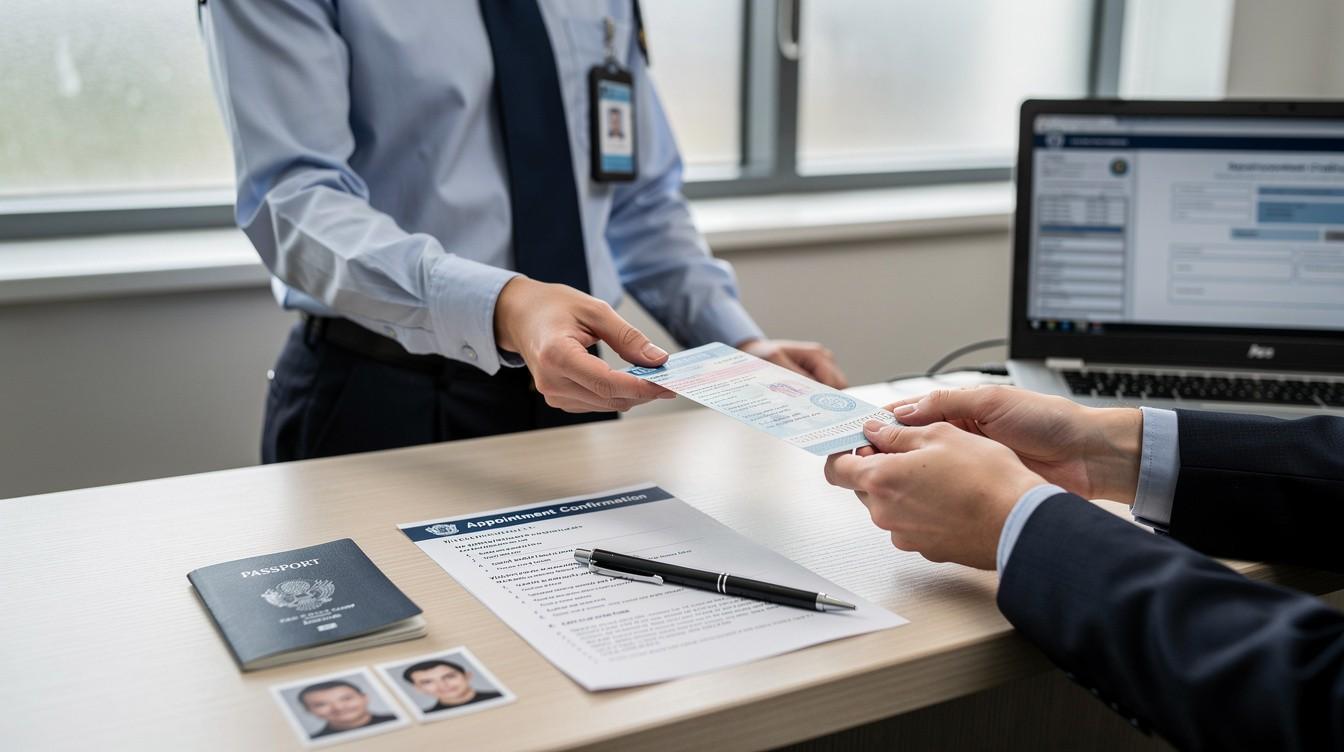
After selecting your pathway, the actual application process begins-and this is where most applicants stumble. Filing your initial petition requires submitting the correct forms with complete supporting documentation, and USCIS rejects incomplete applications outright without reviewing the merits of your case. The I-485 form demands birth certificates, police clearances from every country where you’ve lived for more than six months, tax returns for the past three years, and employment verification letters. Many applicants gather these documents haphazardly and submit applications with missing pages or illegible copies, triggering a Request for Evidence that delays your case by six to eight months. Organizing documentation chronologically and obtaining certified copies rather than photocopies makes a measurable difference, because USCIS examiners process thousands of applications monthly and incomplete submissions go to the bottom of the pile.
Completing Your Medical Examination and Background Checks
Your medical examination must take place with a USCIS-designated civil surgeon, not your personal doctor, and the Form I-693 report remains sealed and confidential-never open it yourself or the entire application becomes invalid. Background checks run simultaneously with medical exams, pulling records from the FBI, Department of State, and local law enforcement agencies. This process typically takes 30 to 60 days but can extend to 90 days if any discrepancies appear in your history. Applicants who have lived in multiple countries face longer background check periods because investigators must contact foreign authorities, adding weeks to your timeline.
Preparing for Your Immigration Interview
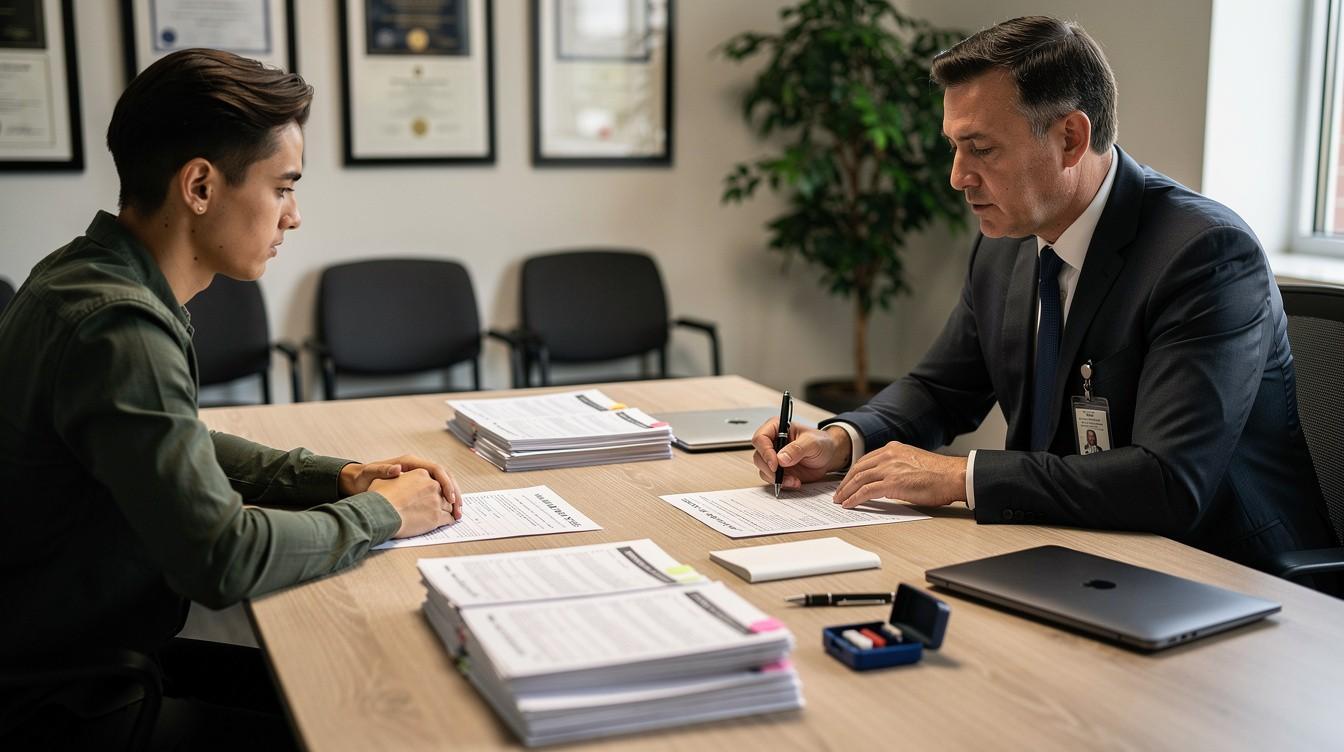
Immigration interview preparation demands reviewing every statement you made in your application because USCIS officers will ask detailed questions about your employment history, family relationships, and reasons for seeking permanent residency. Inconsistencies between your written application and spoken answers create suspicion that leads to denials. Applicants frequently underestimate interview difficulty, assuming questions will be straightforward, but officers probe inconsistencies like different addresses listed on forms, employment gaps, or vague explanations about your relationship to your sponsor. Preparing with a written timeline of your movements, employment dates with specific job titles and company names, and detailed family information prevents the panic that causes applicants to give contradictory answers.
Understanding Your Processing Timeline
The entire process from initial petition to interview typically spans 14 to 24 months for family-sponsored cases and 8 to 18 months for employment-based cases. Massachusetts applicants sometimes experience faster processing due to lower application volumes in this region compared to California or Texas. However, processing times fluctuate based on USCIS staffing levels and policy changes, so your actual timeline may differ from these estimates. Once your interview concludes, USCIS officers make their determination, and you either receive approval or a Request for Evidence that requires additional documentation.
Why a Local Massachusetts Attorney Matters for Your Green Card
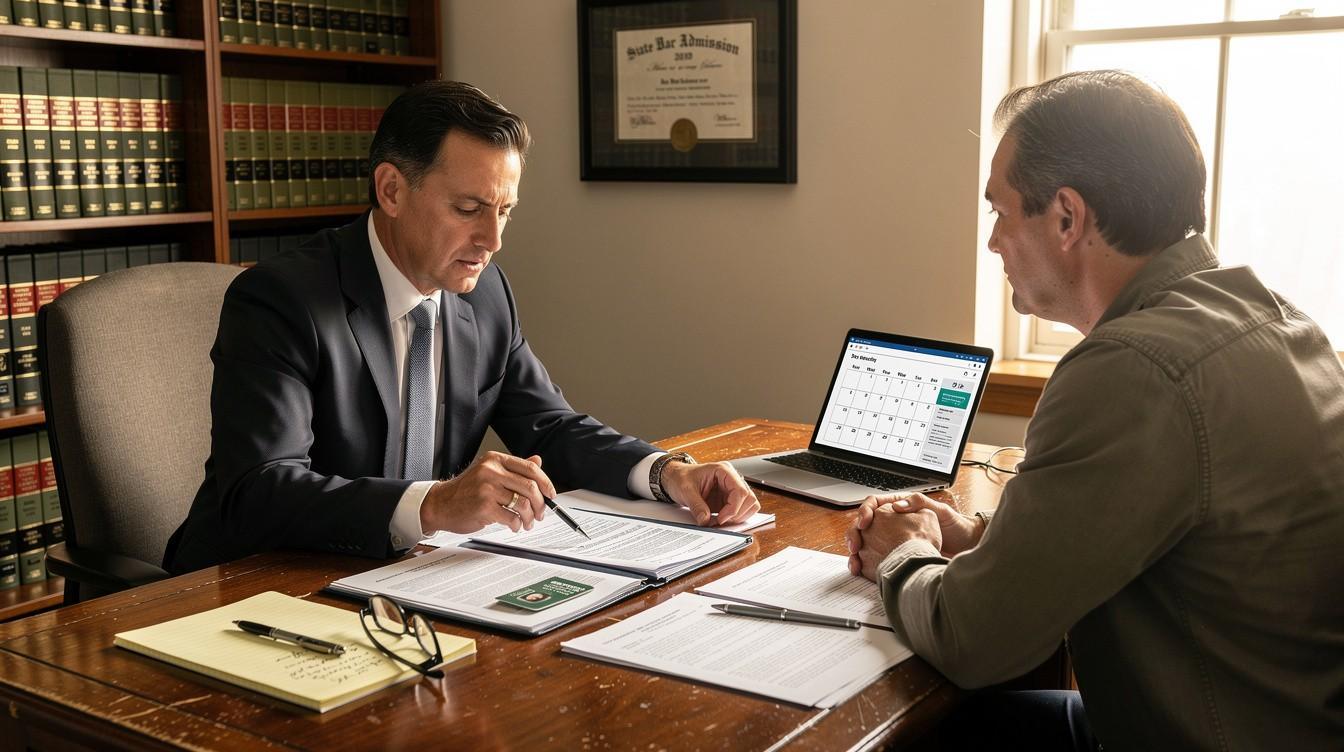
Massachusetts immigration law intersects with federal regulations in ways that trip up self-filers, and an attorney who understands both state resources and USCIS procedures prevents the rejections that cost months and thousands of dollars. Local attorneys know which Massachusetts state agencies hold records that strengthen employment-based applications, which local court systems issue certified documents fastest, and how Massachusetts residency affects your green card timeline. The state’s high-tech and biotech sectors mean many Massachusetts employers file employment-based petitions, but they frequently make critical errors in labor certification that USCIS denies outright. An attorney catches these mistakes before submission, not after rejection.
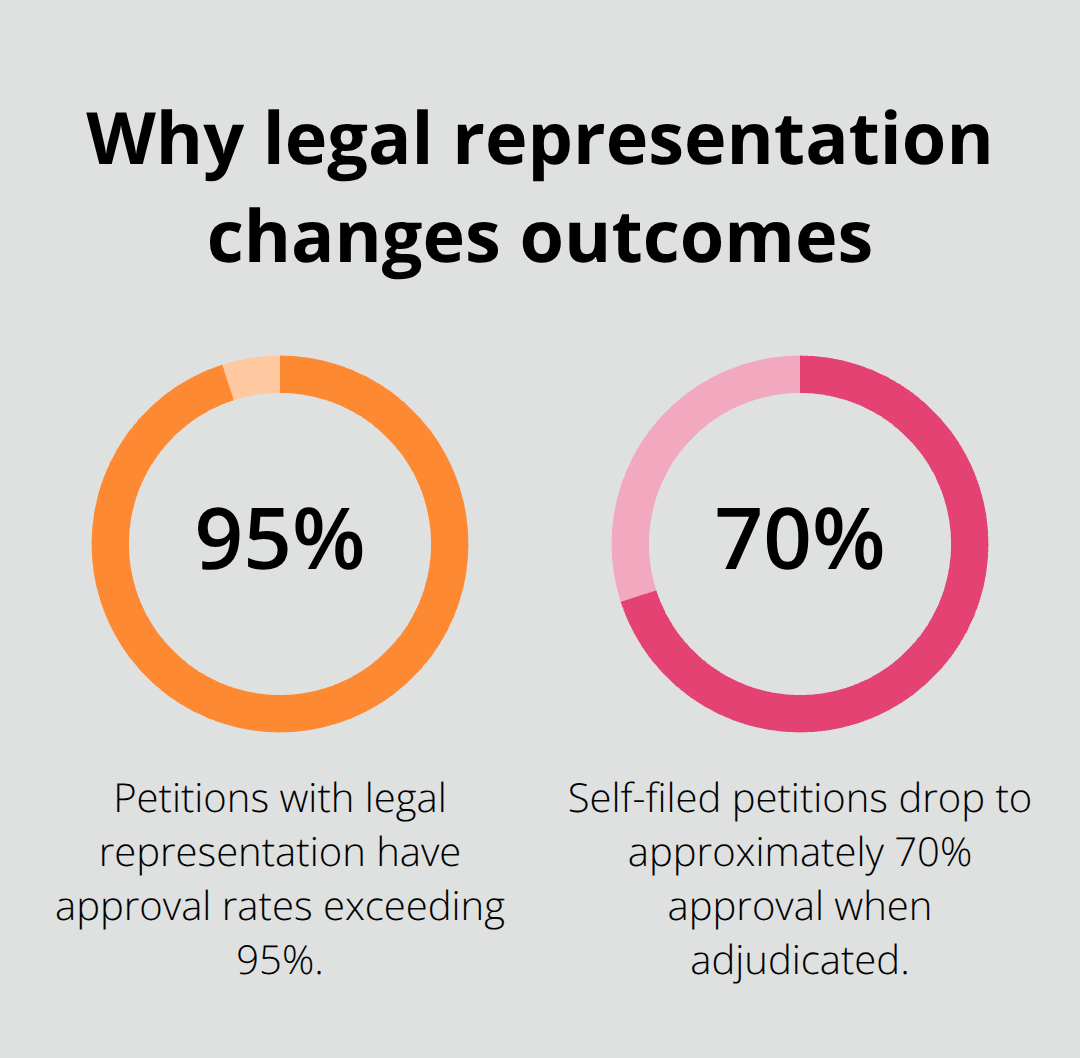
USCIS data shows that employment-based petitions with legal representation have approval rates exceeding 95 percent, while self-filed petitions drop to approximately 70 percent approval when they reach adjudication. The difference comes down to completeness and accuracy, and one missing piece of evidence triggers a Request for Evidence that delays your case by six to eight months.
Common mistakes that derail applications
Family-sponsored applicants often list different addresses on Form I-485 than they listed on the I-130 petition, creating suspicion about your residency status even when the discrepancy stems from a simple move during processing. USCIS officers flag these inconsistencies and demand explanations, sometimes requesting additional documentation that extends your timeline unnecessarily.
Employment-based applicants frequently describe job duties vaguely on labor certification forms, claiming positions require a four-year degree when the actual work could be performed by someone with two years of experience. This gives USCIS grounds to deny the entire application. Applicants also submit medical examination results with the main application file, violating the sealed envelope requirement that makes the entire application invalid.
These errors are not minor oversights-they result in denials that force you to restart the entire process from the beginning, losing all fees paid and adding years to your timeline. An attorney reviews every document before submission and identifies these problems immediately.
Managing USCIS interactions and appeals
Once USCIS receives your application, they control the pace of communication, and responding to RFEs within 12 weeks is non-negotiable. Missing this deadline means automatic denial with no recourse. Many applicants panic when they receive these notices and submit responses hastily without reviewing what USCIS actually requested, providing irrelevant documents that do not address the specific issue.
An attorney drafts responses that directly answer USCIS questions with targeted evidence, eliminating confusion and accelerating processing. If USCIS denies your application, filing an appeal requires understanding the specific legal grounds for denial and presenting new evidence or legal arguments that were not available at the initial adjudication.
Massachusetts applicants have the right to appeal to the Board of Immigration Appeals, but the appeal process demands legal expertise because generic responses fail to persuade immigration judges. An experienced immigration attorney navigates these communications strategically, ensuring every response strengthens your case rather than creating new problems for USCIS officers to scrutinize.
Final Thoughts
Getting a green card requires navigating federal regulations, state-specific resources, and USCIS procedures that shift frequently. The pathway you select determines your timeline and documentation requirements, but execution determines whether you succeed or face costly delays. Employment-based applications demand precise labor certification language, family sponsorships require flawless document organization, and diversity visa lottery entries need strategic timing-missing even one requirement triggers rejections that force you to restart from the beginning.
A Massachusetts green card attorney prevents these outcomes by catching errors before USCIS receives your application. Applications with legal representation exceed 95 percent approval rates, while self-filed petitions drop to 70 percent. That difference translates to months of delays, additional filing fees, and the emotional toll of uncertainty.
Contact Law Offices of Jeffrey A. Thompson to discuss your specific situation and learn how local legal representation accelerates your green card timeline. An attorney who understands Massachusetts resources and USCIS procedures identifies which documents strengthen your case and which statements create problems during your interview. The investment in professional guidance pays for itself through faster processing and higher approval rates.
Share this post: