Practical Advice: ‘Consulate visa interview tips’ for Applicants
August 10, 2026
Your consulate visa interview can determine whether your application moves forward or gets denied. We at Law Offices of Jeffrey A. Thompson have helped countless applicants navigate this critical moment, and we know what consular officers are looking for.
This guide covers the consulate visa interview tips you need to succeed, from what to expect in the room to the mistakes that sink applications.
What Happens Inside the Consulate Interview Room
The Interview Setting and Timeline
Your visa interview typically lasts between two and three minutes, though some officers conduct longer conversations if they need more information. This short timeframe means every word counts. The consular officer sits behind a desk with a computer and your file, and you stand or sit across from them with a barrier between you. The setting feels formal and sterile by design-that’s intentional. Most interviews happen in the morning, and you should arrive at least 30 minutes early.
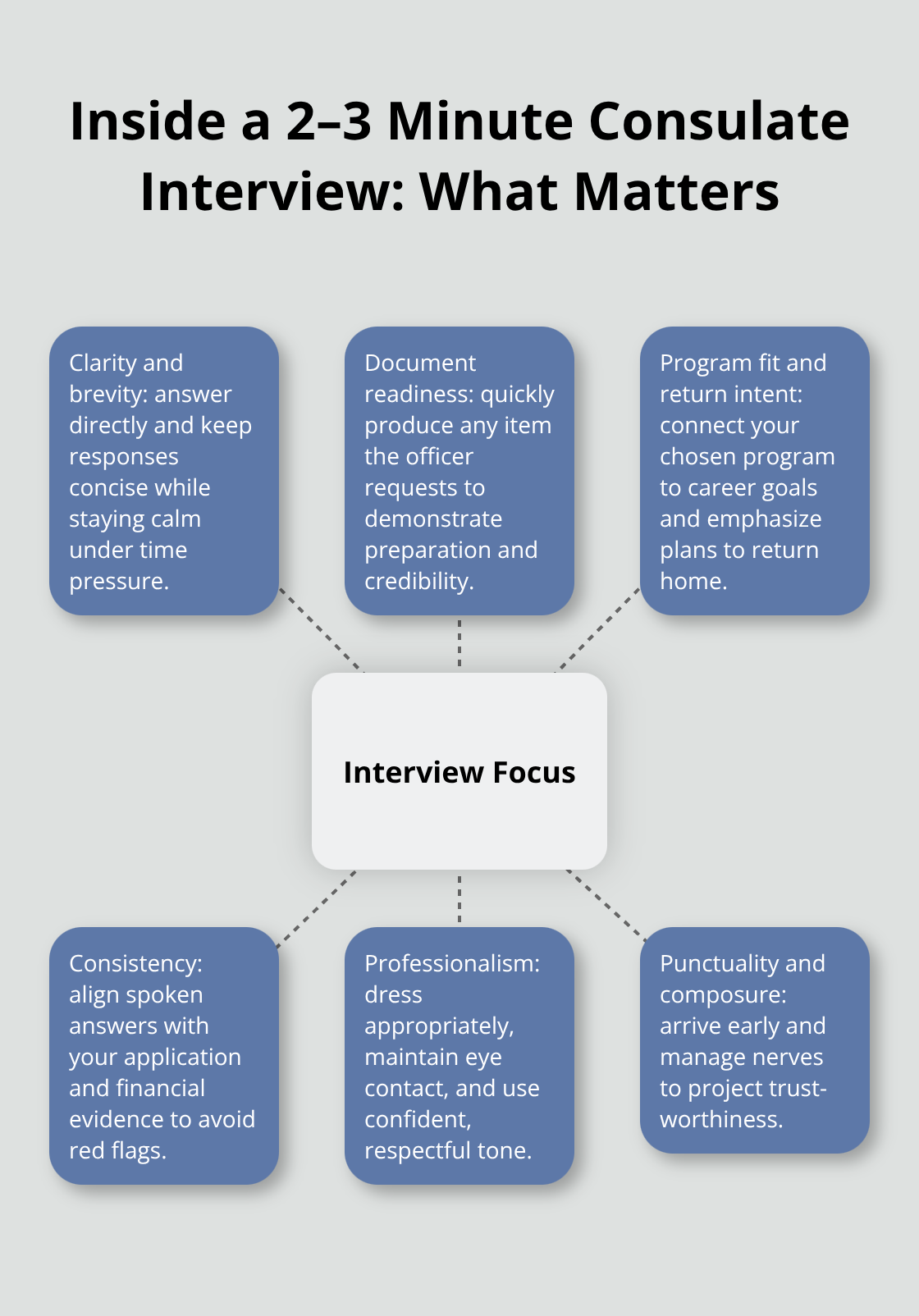
The officer controls the pace and direction of the conversation, so you cannot steer the discussion toward topics you’re comfortable with. They will ask specific questions about your background, your chosen program, your finances, and your ties to your home country. These questions test whether you have a genuine intent to study and return home afterward, not to immigrate permanently.
Language Requirements and Prior Review
You must answer in English, so if you’ve taken the TOEFL or IELTS, those scores matter because they demonstrate your language readiness. The officer will have reviewed your I-20 form, passport, visa application, and supporting documents before you enter the room. They already know the basics about you and will probe deeper into inconsistencies or weak points in your application.
Documents You Must Organize and Bring
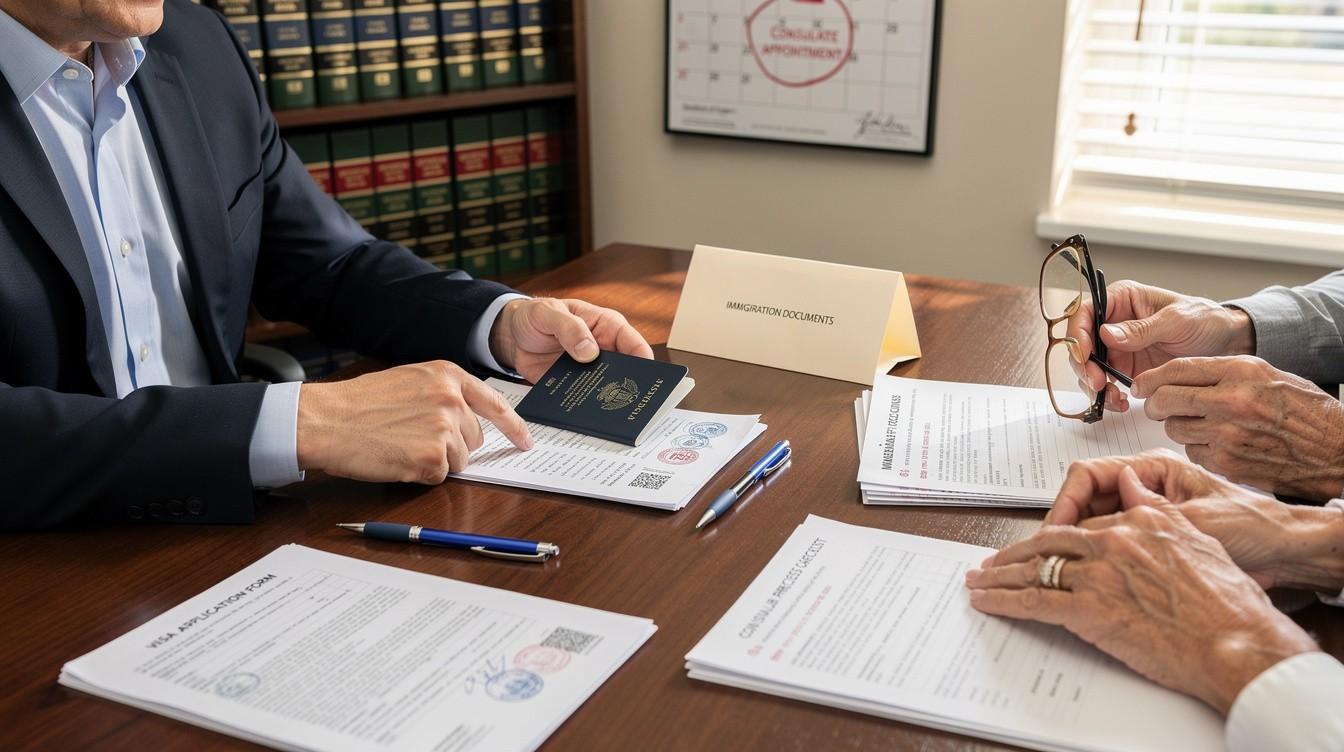
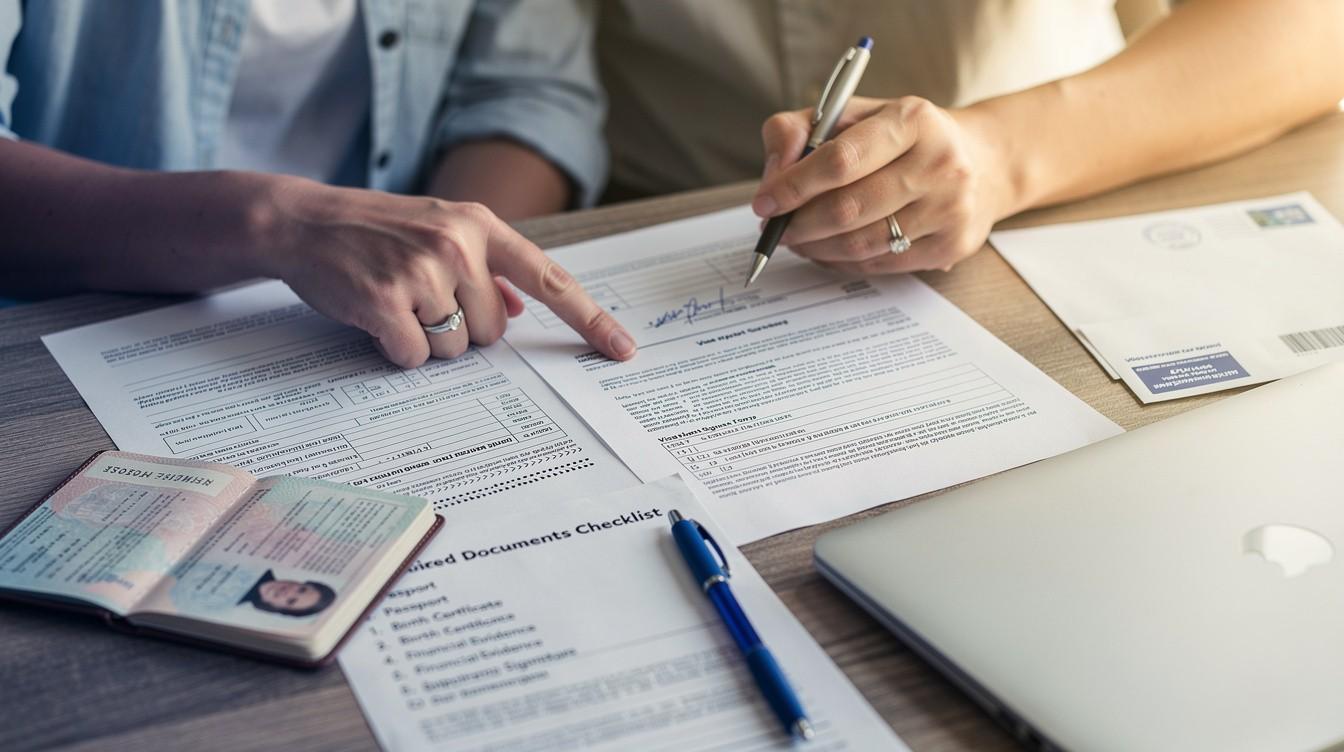
Bring originals of your I-20, completed visa application form, valid passport, test score reports (GRE for graduate students if applicable), educational certificates, and bank statements or financial documents that prove you can cover tuition and living expenses. Organize these documents in a folder with clear labels so the officer can scan them quickly without asking you to search through papers. Include evidence of strong ties to your home country such as property ownership, income tax documents, or family obligations.
If you have family or friends in the U.S., prepare to explain who they are and where they live.
Research and Narrative Preparation
The officer will ask why you chose this specific program and institution, so research the program details, course names, and how it connects to your career goals. Know facts about the location where you’ll study, including climate and housing costs. Prepare a clear narrative about your post-graduation plans and how they connect to long-term goals in your home country.
Practice answering common questions about your field of study, your admission process across multiple institutions, and whether this is your first trip to the U.S. If you’ve worked before, explain how employment relates to your studies and confirm you understand student visa work restrictions. Maintain a positive attitude throughout the interview-this approach matters more than you might expect.
What Happens If You Face Denial
If the officer denies your application, ask for the specific reason in writing and request a list of documents that could overcome the refusal. This information becomes critical as you plan your next steps, whether that involves reapplication or exploring alternative pathways to study in the U.S. Understanding exactly why your application failed gives you a concrete roadmap forward.
Preparation Strategy That Works
Start Eight Weeks Before Your Interview
You should begin your preparation eight weeks before your interview date. This timeline provides adequate time to research your program, practice answers, and organize documents without rushing. Many applicants compress preparation into the final two weeks, which shows during the interview through hesitant responses and disorganized thinking. The consular officer notices when you struggle to articulate basic facts about your program or when you fumble through your documents.
Practice Your Answers Out Loud
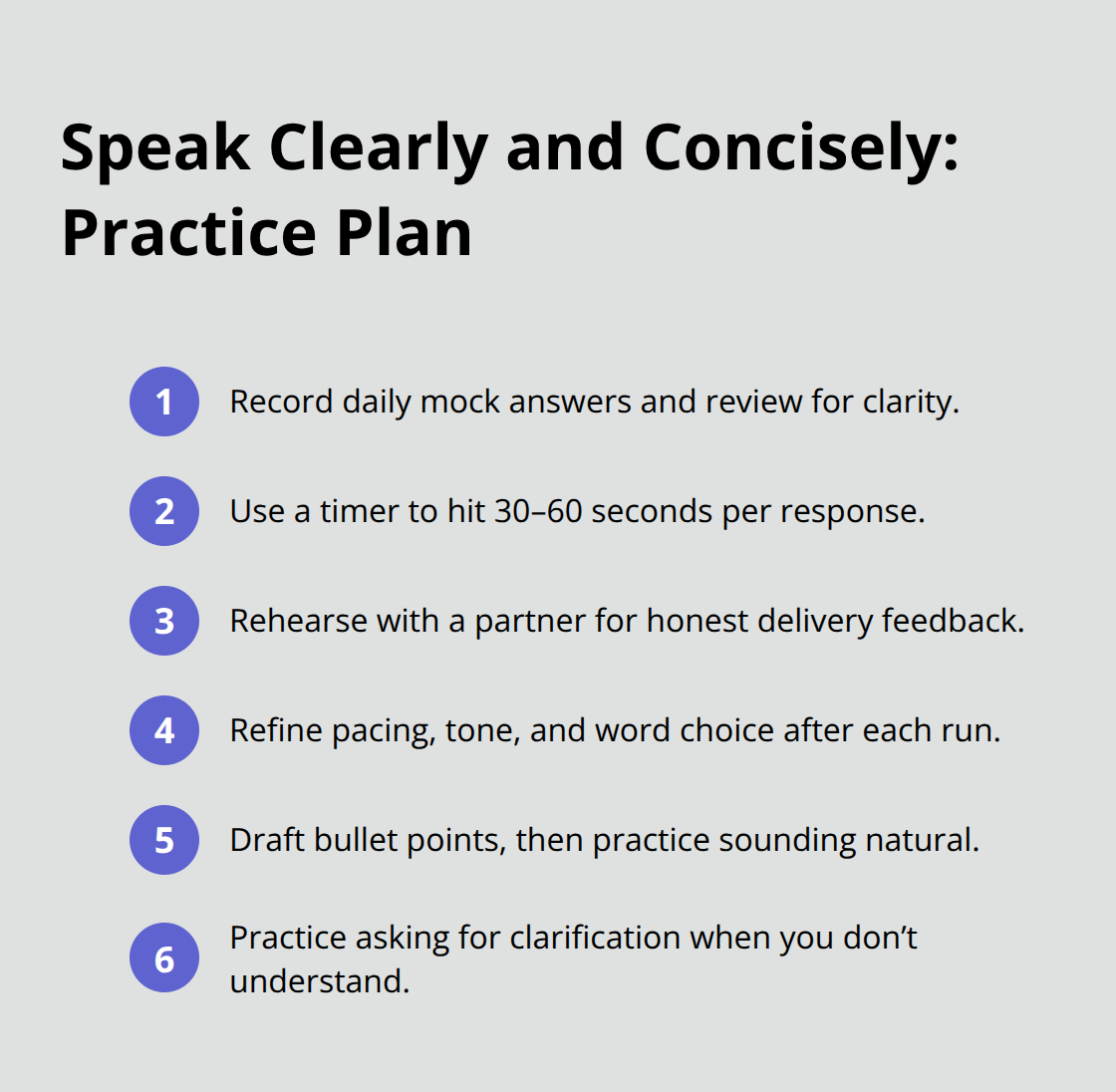
You must practice answering the most common questions out loud, not just in your head. Record yourself or practice with a friend who can provide honest feedback on your delivery, pacing, and clarity. Your answers should take 30 to 60 seconds each. Anything longer wastes the officer’s time during a 2 to 3 minute interview, and anything shorter suggests you haven’t thought deeply about your goals.
Organize Your Documents by Category
Your documentation organization determines whether the officer perceives you as serious or unprepared. Organize your documents by category: Financial Documents, Educational Certificates, Home Country Ties, Program Research, and Personal Background. Place your I-20 and passport at the front for quick access. The officer will scan documents rather than read them thoroughly, so use clear tabs and highlight key numbers on bank statements that prove sufficient funds. Test your organization by timing yourself to locate any document the officer requests. If you take more than 15 seconds to find something, reorganize immediately.
Craft Your Narrative About Program Selection
Your narrative about why this specific program matters to your career trajectory separates successful applicants from those who face denial. Write out your answer to why you chose this program and why you need a U.S. education for your field, then practice it until it sounds natural, not memorized. Include specific course names, professor names (if you’ve researched them), and concrete connections between what you’ll learn and your professional goals in your home country. Vague answers like “to improve my skills” or “to get a better education” signal that you haven’t invested serious thought into your decision. The officer interprets this as potential intent to stay in the U.S. rather than return home after graduation.
Your preparation directly influences how you present yourself in the interview room, and the next section covers the specific behaviors and appearance that either strengthen or undermine your application.
Mistakes to Avoid During Your Consulate Interview
Inconsistencies Between Your Application and Your Spoken Answers
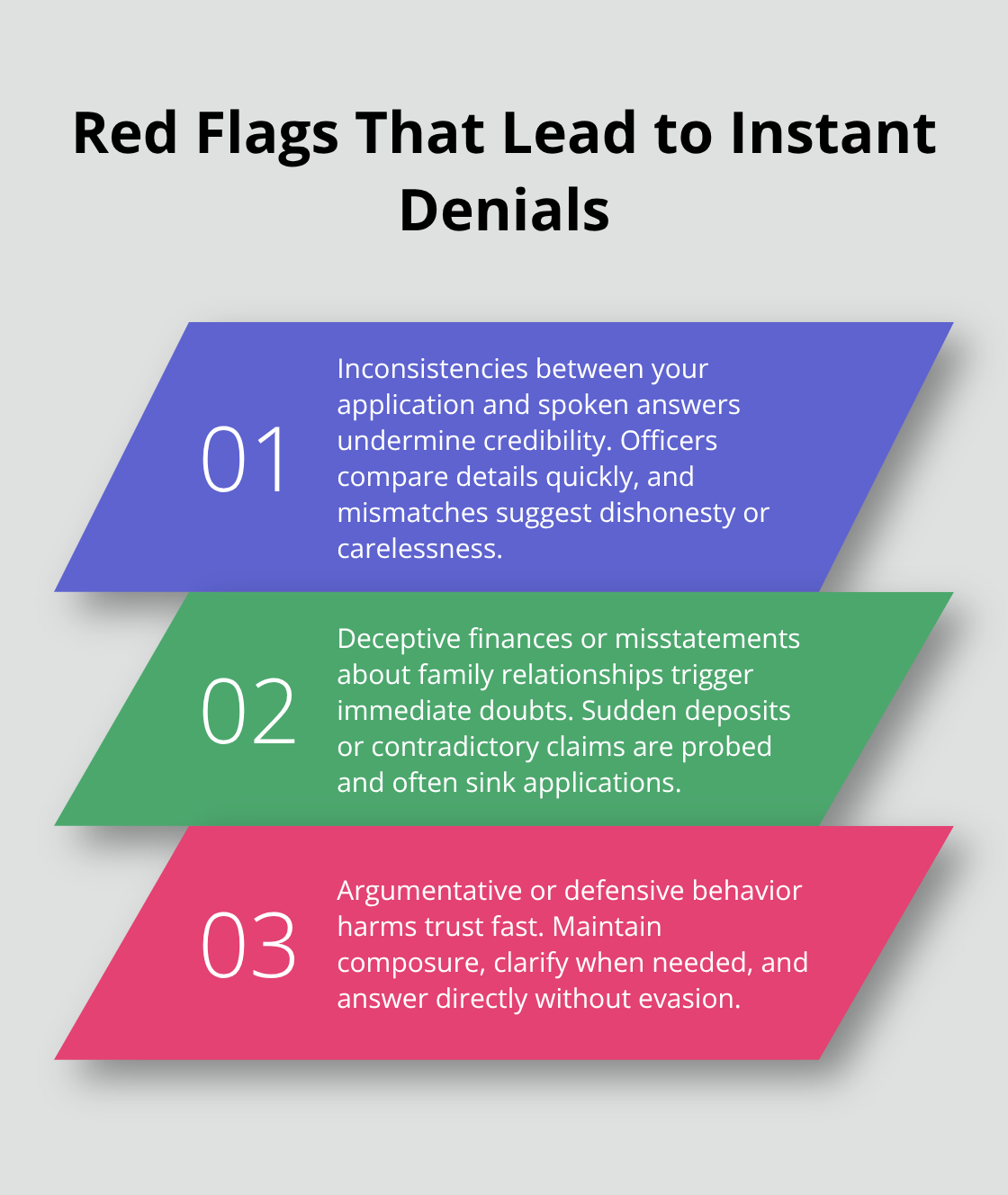
Inconsistency between your application materials and your spoken answers is the fastest way to get denied. A consular officer will cross-reference what you wrote on your visa application with what you say in the interview, and discrepancies signal dishonesty or carelessness. If your application states you plan to study engineering but you tell the officer you want to pursue business, that contradiction raises immediate red flags about your credibility. If your bank statements show funds arrived two weeks before your interview, the officer will ask where that money came from and whether it truly belongs to you or was borrowed for the interview.
Lying about your finances, your family situation, your work history, or your ties to your home country guarantees denial. The officer has seen thousands of applications and can detect rehearsed deception within seconds. One applicant claimed to have no family in the U.S., yet the officer found a cousin’s address in their phone during questioning. That application was denied on the spot.
Physical Presentation and Professional Appearance
Your physical presentation and composure during the interview matter far more than most applicants realize. Try business professional or business casual attire that projects seriousness without drawing attention to itself. For women, choose neutral-toned tops with traditional trousers or knee-length skirts, and wear comfortable formal shoes like pumps or low heels in black or brown. For men, wear a formal shirt in a neutral tone with neutral-colored pants and dress shoes that are polished and simple.
Avoid jeans, leggings, sleeveless tops, bright prints, shiny materials, or anything that suggests you’re not taking this moment seriously. Grooming matters too: trim your hair a few days before, keep facial hair tidy, and maintain clean nails. Your outfit should reflect confidence and signal your commitment to studying in the U.S., not distract the officer from your application.
Composure and Demeanor in the Interview Room
Your demeanor determines whether the officer views you as trustworthy. Nervousness is expected and acceptable, but panic is not. If you stumble on an answer, pause, breathe, and respond clearly rather than rushing through words. If the officer asks a question you don’t understand, ask for clarification instead of guessing.
Never argue with the officer or become defensive if they challenge your answers. Maintain eye contact, speak at a moderate pace, and keep your body language open and attentive. The officer assesses whether you’re genuinely committed to your studies or whether you’re hiding something, and your composure either reinforces or undermines your credibility.
Final Thoughts
Your consulate visa interview success rests on three pillars: preparation, honesty, and professional presentation. The consular officer will spend two to three minutes evaluating whether you genuinely intend to study and return home, not whether you plan to immigrate permanently. Everything you’ve learned in this guide-from organizing your documents to practicing your narrative to dressing professionally-communicates that you take this moment seriously.
The most successful applicants start preparing eight weeks before their interview date. They research their program thoroughly, practice answers out loud until they sound natural, and organize their documents so they can locate anything within seconds. They bring originals of every required document, maintain consistency between their application and their spoken answers, and project calm confidence even when nervous. They understand that a single inconsistency or sign of deception triggers immediate denial, so they answer every question truthfully and directly.
If your visa receives approval, you’ll receive your passport with the visa stamp within days. If the officer denies your application, request the specific reason in writing and ask for a list of documents that could overcome the refusal (this information guides your next steps, whether you reapply or explore alternative pathways). We at Law Offices of Jeffrey A. Thompson understand that immigration decisions affect your entire future, and our team specializes in helping clients overcome legal hurdles and achieve their goals-contact us for expert assistance with your immigration matters.
Share this post: