Fiancé Visa Processing: Steps to a Successful Petition
October 16, 2026
A fiancé visa lets you marry your foreign partner and bring them to the United States. The process involves multiple steps, strict documentation requirements, and careful timing.
We at Law Offices of Jeffrey A. Thompson help couples navigate fiancé visa processing successfully. This guide walks you through each stage so you understand what’s ahead.
Understanding K-1 Visa Eligibility and Requirements
Who Qualifies for a Fiancé Visa
A fiancé visa, officially known as a K-1 visa, allows a U.S. citizen to bring their foreign fiancé to America for marriage. The U.S. citizen must be at least 18 years old and maintain a genuine, documented relationship with the foreign national. You cannot use this visa if you’re already married to the person-the visa exists specifically for couples who intend to marry within 90 days of the beneficiary’s arrival in the United States. Both the U.S. citizen and the foreign national must be legally free to marry at the time the petition is filed. USCIS data shows that approximately 20,000 to 25,000 K-1 visas are issued annually, making this a common immigration pathway for American citizens with foreign partners.
Income Requirements Shape Your Application
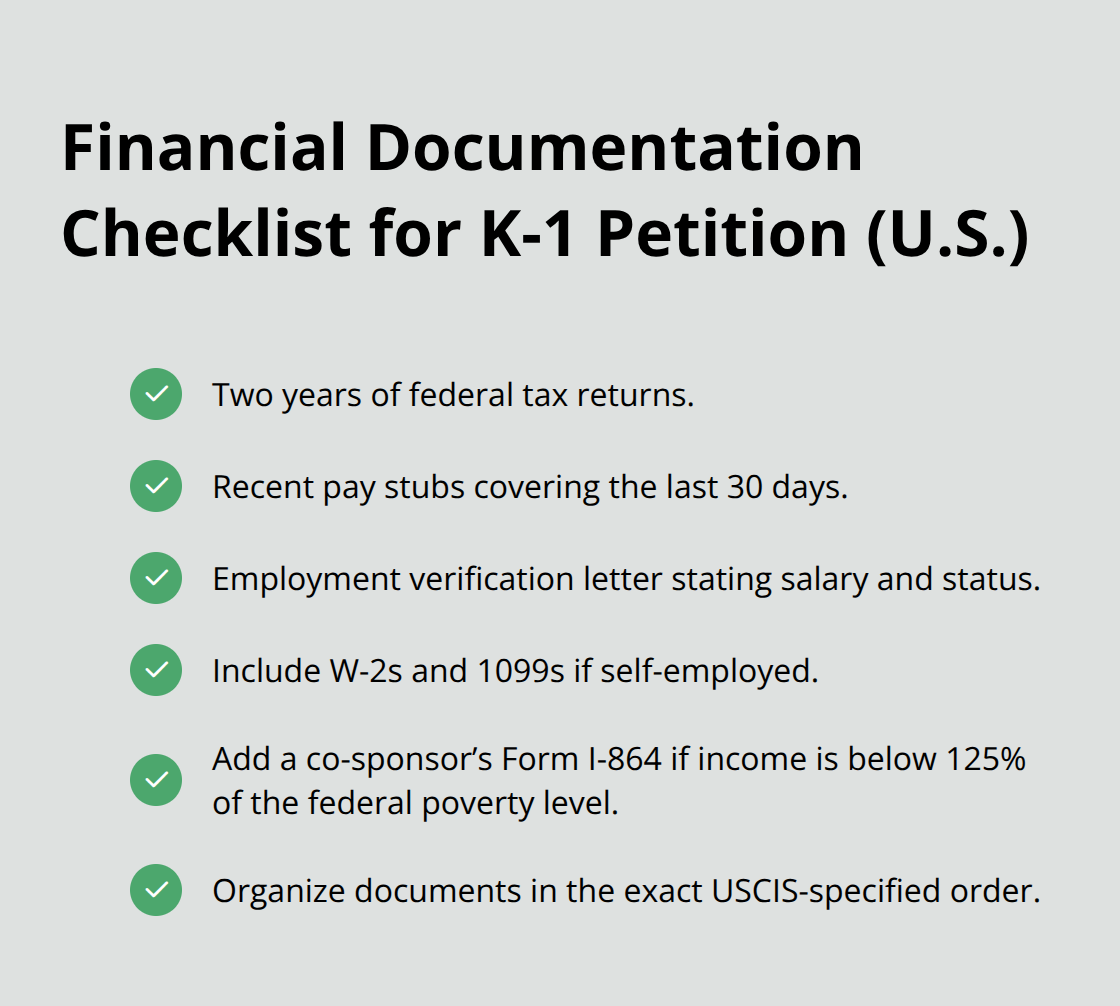
USCIS requires the petitioner to demonstrate financial ability to support the fiancé. The petitioner’s household income must meet or exceed 125 percent of the federal poverty level, which for 2026 means approximately $18,000 annually for an individual petitioner. If your income falls short, you can add a co-sponsor-typically a family member or close friend with sufficient income-but they must complete an Affidavit of Support Form I-864. This form is a binding legal contract committing the sponsor to repay any government benefits the beneficiary receives. Many applications fail because petitioners underestimate income requirements or submit incomplete financial documentation. Tax returns from the past two years, recent pay stubs, and employment verification letters are standard requirements that USCIS scrutinizes carefully.
Documentation and Relationship Proof Drive Approval Decisions
The most common denial reasons stem from insufficient documentation and relationship proof. USCIS officers need concrete evidence that your relationship is genuine and not entered into for immigration purposes (photographs together, communication records, travel history showing visits to each other’s countries, and statements from people who know both of you). Medical examination failures also cause denials-the beneficiary must pass a medical screening and demonstrate they don’t have conditions that would make them inadmissible, such as certain communicable diseases. Criminal background issues, previous immigration violations, or fraud in the application process result in immediate rejection. Incomplete or inconsistent information across forms creates red flags that lead USCIS to deny the petition outright. Understanding these common pitfalls positions you to move forward with your petition preparation.
Building Your K-1 Petition Foundation
Organize Your Application for USCIS Review
USCIS receives thousands of K-1 applications annually, and incomplete or poorly organized submissions face rejection far more often than solid ones. The process demands precision across multiple forms, financial documentation, and medical records. Start by gathering Form I-129F, the Petition for Alien Fiancé(e), along with supporting documents that prove your relationship’s legitimacy. USCIS officers spend minutes reviewing each application, so every document must serve a clear purpose. Disorganized packets signal carelessness and invite closer scrutiny that often uncovers technical deficiencies. Organize materials in the exact order USCIS specifies, with clear tabs separating each section.
Submit Complete Financial Documentation
Your financial documentation must span two years of tax returns, recent pay stubs covering the last 30 days, and an employment verification letter on company letterhead stating your current salary and employment status. If your income falls below 125 percent of the federal poverty level, securing a co-sponsor becomes essential-and their financial documents carry equal weight. The co-sponsor’s Form I-864 is legally binding, meaning they’re personally responsible for repaying benefits if the beneficiary receives government assistance within ten years. Many applications stall because petitioners submit outdated financial records or fail to include W-2s and 1099 forms when self-employed.
Complete Medical Examinations and Background Checks
Medical examinations must be completed by USCIS-designated civil surgeons only; your fiancé cannot use their home country physician. Background checks run simultaneously with medical clearance, and any criminal history, immigration fraud, or visa overstay violations trigger automatic denial. Transparency about past issues matters more than hoping USCIS overlooks them-they won’t. Your fiancé must pass medical screening and demonstrate they don’t have conditions that would make them inadmissible, such as certain communicable diseases.
Provide Relationship Documentation and Evidence
USCIS explicitly requires evidence proving you know each other personally and intend genuine marriage within 90 days of arrival. Photographs together spanning multiple years, airline tickets showing in-person visits, phone records, messaging conversations, and joint travel confirmations all strengthen your case. Affidavits from friends and family members who can attest to your relationship’s authenticity add credibility that isolated documentation cannot provide. Many applicants underestimate this section’s importance, treating it as secondary to financial records when it actually determines whether officers believe your petition is legitimate. Include copies of engagement announcements, wedding invitations, or venue bookings to demonstrate concrete marriage plans. If either you or your fiancé have been previously married, divorce decrees or death certificates proving legal freedom to marry must accompany the petition.
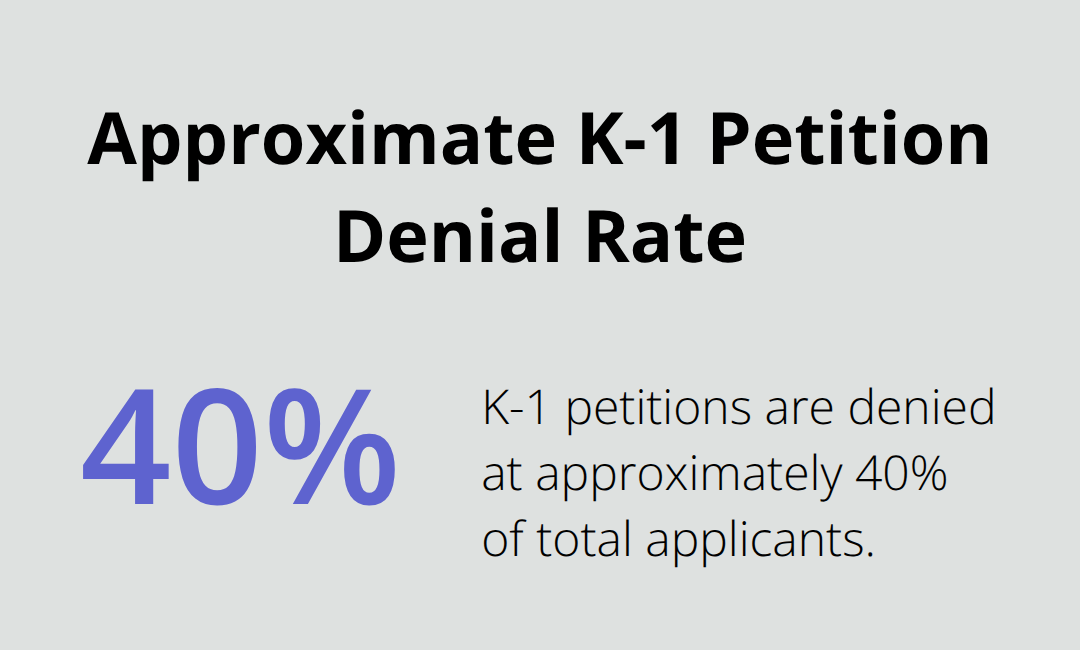
K-1 petitions denied at approximately 40 percent of total applicants.
Handle Foreign Language Documents Correctly
Translation of all foreign-language documents by certified translators is mandatory-informal translations cause rejections. Submit everything in duplicate unless USCIS instructions specify otherwise, and keep copies for your records. Once you’ve assembled this foundation, the next phase involves understanding how USCIS processes your petition and what happens during consular review.
Moving Your Petition Through USCIS and Consular Processing
USCIS Processing Timeline and Request for Evidence
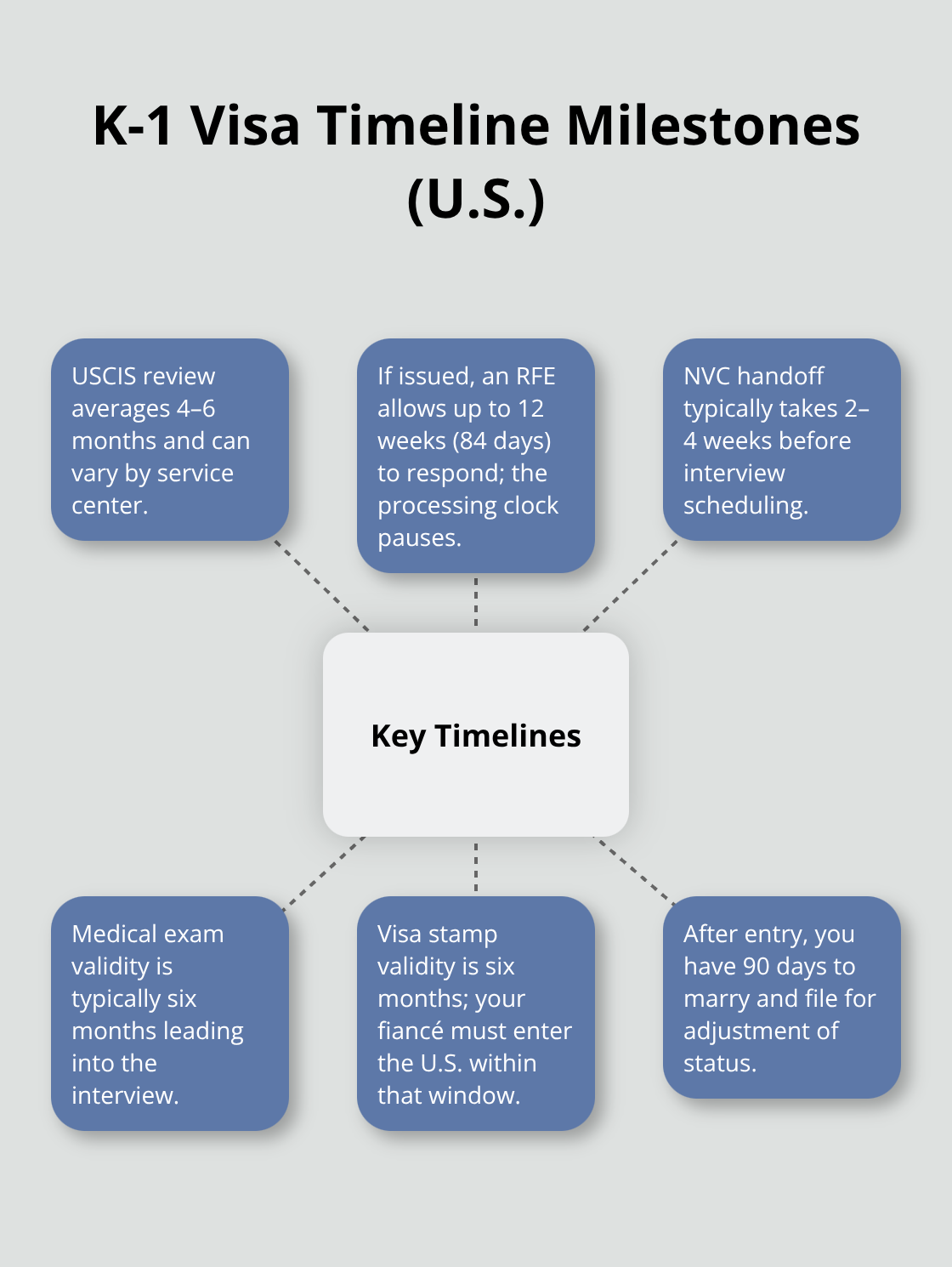
After you submit Form I-129F to USCIS, your petition enters a queue with thousands of others. USCIS currently processes K-1 petitions in approximately 4 to 6 months on average, though this timeline varies significantly by service center location. This processing time is just for USCIS approval; additional time is needed for consular processing, which is required for K-1 visas. During this initial review period, USCIS officers examine every document you’ve submitted, cross-reference information for inconsistencies, and run background checks on both you and your fiancé.
If USCIS identifies missing information or incomplete documentation, they issue a Request for Evidence (RFE), which stops your timeline clock. The maximum response time for an RFE is 12 weeks (84 days), and missing this deadline results in automatic denial. Many applicants waste time with incomplete responses to RFEs-USCIS wants specific answers to specific questions, not general explanations. Vague or evasive responses signal problems and invite additional scrutiny that delays approval further.
National Visa Center Handoff and Interview Scheduling
Once USCIS approves your petition, they forward it to the National Visa Center, which then transmits it to the U.S. consulate or embassy in your fiancé’s home country. This handoff typically takes 2 to 4 weeks, and during this period you’ll receive a notice with your fiancé’s visa interview appointment date.
Plan your fiancé visa petition with realistic timelines to navigate processing delays efficiently and prevent costly last-minute changes or postponements.
Preparing Your Fiancé for the Consular Interview
Your fiancé’s consular interview represents the final hurdle before visa approval, and preparation determines outcomes far more than luck or chance. The consular officer will question your fiancé about your relationship, your plans for marriage, employment history, and financial situation-they’re specifically trained to detect fraudulent relationships and will ask probing questions designed to catch inconsistencies.
Your fiancé must know basic facts about you: your birthdate, your parents’ names, where you live, and details about how you met. Weak answers or hesitation trigger immediate suspicion and often result in visa denial. Provide your fiancé with written summaries of your relationship timeline, photographs with dates and locations noted on the back, and copies of all correspondence between you. Encourage your fiancé to practice answering questions aloud, not just mentally reviewing answers.
Medical Clearance and Inadmissibility Grounds
The consular officer will also verify that your fiancé meets health requirements-the civil surgeon’s examination results must remain valid, typically for six months before the interview. Any criminal background, immigration violations, or visa overstays discovered during this stage result in grounds for inadmissibility. Transparency about past issues matters more than hoping the consular officer overlooks them-they won’t.
Once the consular officer approves the visa, your fiancé receives a visa stamp valid for six months, meaning they must enter the United States within that timeframe. After arrival, you have 90 days to marry and file for adjustment of status to permanent resident. If you face complications during consular processing or need guidance navigating interview preparation, contact an immigration lawyer to assist you in overcoming legal hurdles throughout the K-1 visa process.
Final Thoughts
Fiancé visa processing demands attention to detail at every stage, from initial petition filing through consular interview preparation. The most successful applicants treat documentation as their foundation, not an afterthought. Organize financial records meticulously, gather relationship evidence that spans years of genuine connection, and complete medical examinations through USCIS-designated civil surgeons only.
Common mistakes stem from underestimating income requirements, submitting undated or poorly organized relationship documentation, and failing to prepare your fiancé adequately for the consular interview. Many applicants also overlook the importance of certified translations for foreign-language documents or assume informal translations will suffice. Inconsistent information across forms or between your statements and your fiancé’s responses during the interview signals potential fraud to USCIS officers, regardless of your actual intentions.
After visa approval and your fiancé’s arrival in the United States, you have 90 days to marry and file for adjustment of status to permanent resident. This timeline is strict, and delays in scheduling your wedding or submitting adjustment paperwork create complications. If you face obstacles during your fiancé visa processing or need guidance addressing specific concerns, contact an immigration attorney to help you move forward confidently.
Share this post: