Naturalization Ceremony Details: Your Guide to the Big Day
September 4, 2026
Your naturalization ceremony marks one of the most significant moments of your life. We at Law Offices of Jeffrey A. Thompson understand that knowing what to expect can help you feel confident and prepared for this important day.
This guide covers the naturalization ceremony details you need to know, from arrival requirements to what happens after you take the Oath of Allegiance. We’ll walk you through every step so you can focus on celebrating your new citizenship.
What to Expect on Ceremony Day
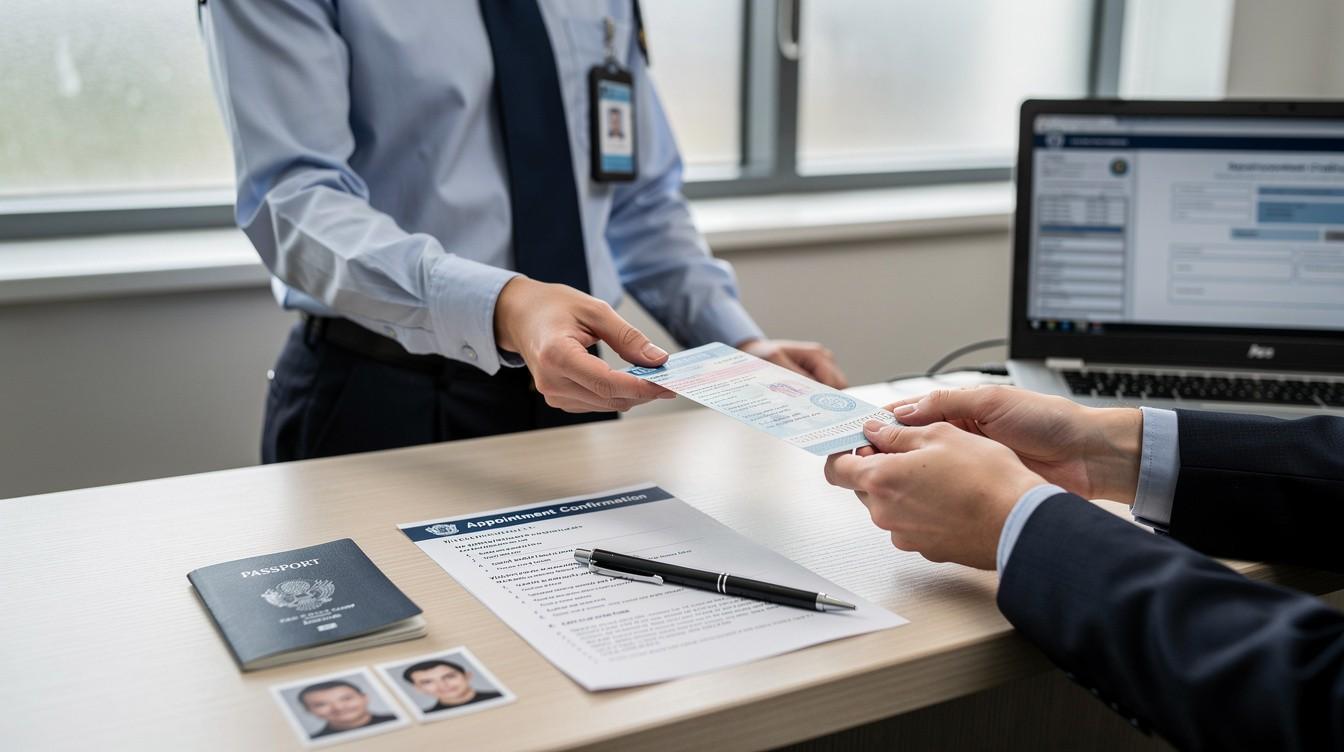
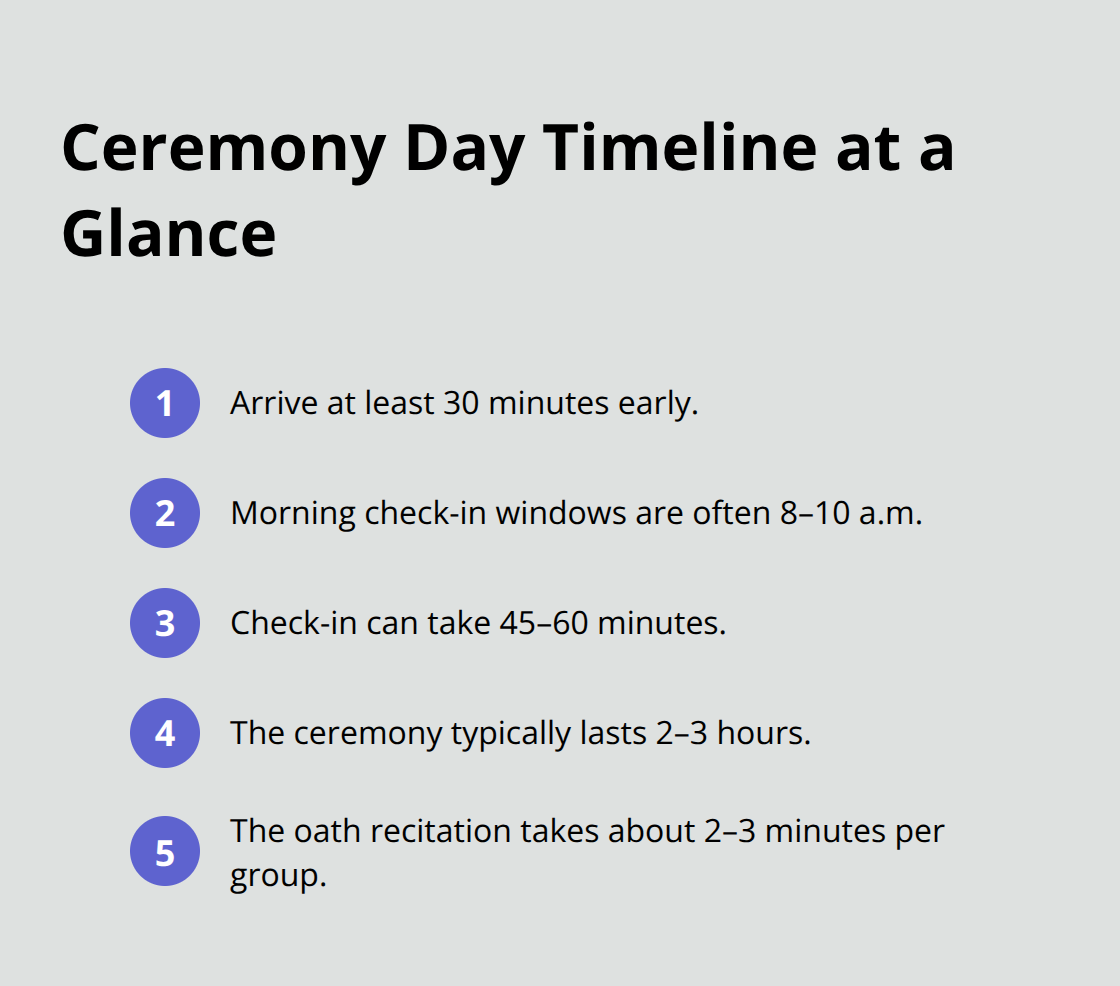
Your naturalization ceremony typically lasts between two to three hours from start to finish. Most ceremonies begin in the morning, with USCIS scheduling appointments between 8 and 10 a.m., though this varies by location and the number of applicants. You should plan to arrive at least 30 minutes early, which means you need enough buffer time to account for parking and security screening. The actual oath-taking portion moves quickly once the ceremony begins, but the administrative check-in process beforehand can take 45 minutes to an hour depending on how many people are being naturalized that day. USCIS staff will verify your Notice to Appear before they allow you to enter the ceremony room.
Venue Logistics and Security Procedures
The venue is typically a federal courthouse or USCIS field office, and security procedures mirror those at airports. Metal detectors are standard, so you should avoid wearing excessive jewelry or belts with large buckles to speed up the process. Most facilities don’t allow bags larger than a standard purse, so you should leave your backpack at home. Dress professionally but comfortably because you will stand for portions of the ceremony. The facility will be climate-controlled, but ceremonies can run long, so you might want to bring a light jacket. You should arrive with your government-issued ID and your Notice to Appear documents in a folder or envelope where they won’t get wrinkled.
Who Can Attend Your Ceremony
You can bring immediate family members and close friends to witness your citizenship, though space limitations may apply at some venues. USCIS typically allows two to three guests per new citizen, with special accommodations for children and elderly attendees. You should call the venue ahead of time to confirm their specific policy rather than showing up with a large group and discovering space constraints. Children are permitted, but they will need to sit quietly for two to three hours. Some applicants bring just one or two people for emotional support, while others make it a family celebration. The choice is yours, but having someone there to share the moment makes the experience more meaningful for most people.
What Happens Next
Once you understand the logistics and prepare your documents, the next step involves knowing exactly what you’ll experience during the oath ceremony itself.
What to Bring to Your Naturalization Ceremony
Bringing the right documents makes the difference between a smooth ceremony and unnecessary delays or complications. USCIS requires you to present your original Notice to Naturalization Oath Ceremony document, which contains your appointment details and case number. Without it, you will not proceed. You also need a valid government-issued photo ID such as a passport, driver’s license, or state ID card. USCIS staff will cross-reference your ID against their records before you enter the ceremony room, so bring the same ID you used during your initial naturalization application. Some applicants make the mistake of bringing an expired ID thinking it still counts as official identification. It does not. If your ID expired within the last year, bring it along with a secondary form of ID like a work badge or school identification.
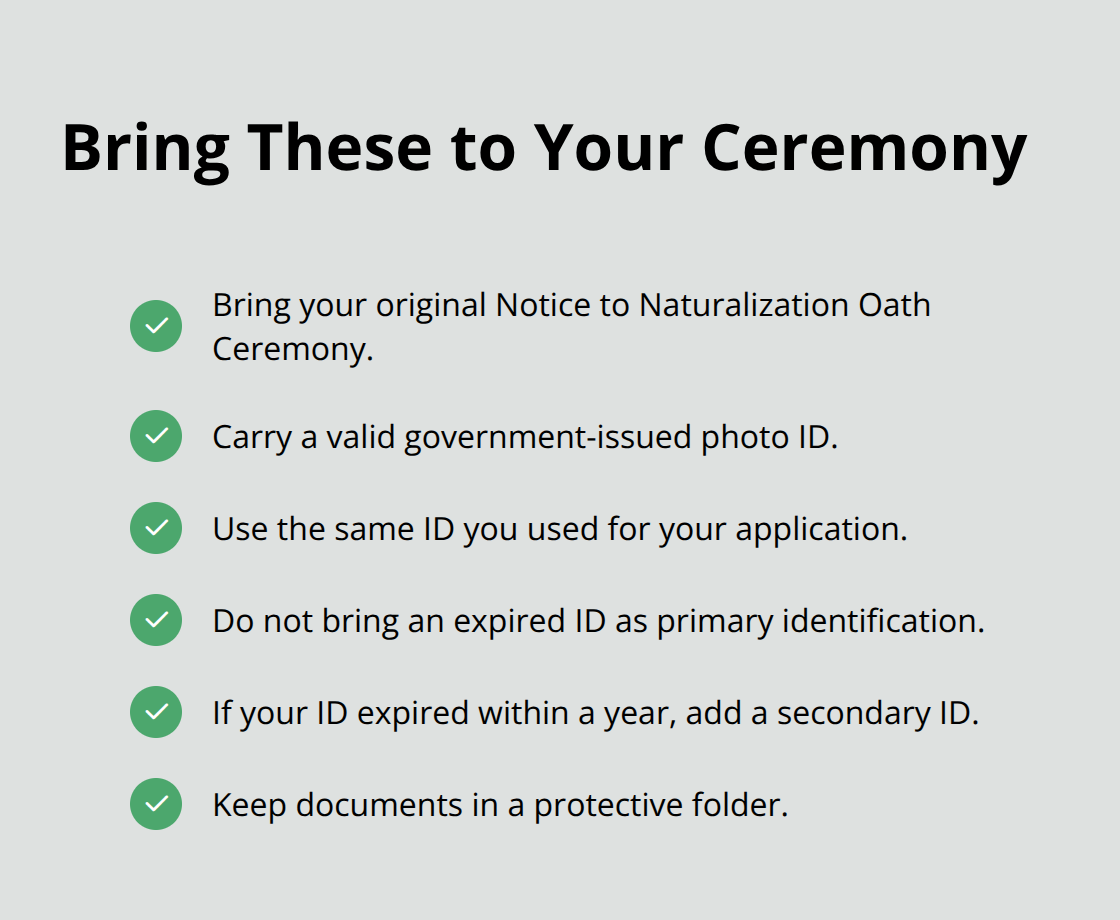
Keep both your Notice to Appear and ID in a folder or small envelope so they do not get damaged during security screening.
Required Documents for Entry
Beyond your Notice to Appear and photo ID, you should bring your green card or permanent resident card if you still have it, though USCIS will have your records on file regardless. Bring a pen in case you need to sign any last-minute paperwork or updates to your application. Some applicants bring a small notebook to record important information about their next steps as a U.S. citizen, such as voter registration deadlines or passport application procedures. One practical tip: make a photocopy of your Notice to Appear and store it separately in case the original gets lost during the ceremony. Keep the copy at home, not on your person.
Items That Slow Down Security
Leave your backpack, large purses, or bags at home because most federal courthouses and USCIS facilities restrict bag sizes to standard purse dimensions. Do not bring weapons, knives, or any sharp objects-security will confiscate them. Avoid wearing multiple layers or excessive jewelry because metal detectors slow down the process for everyone in line. Do not bring your spouse or children’s original birth certificates, Social Security cards, or other sensitive documents unless USCIS specifically requests them (which is extremely rare). Never bring cash in large amounts or display valuables; the ceremony is not the place for them and security lines move faster when people travel light.
Preparing Your Documents for the Day
Organize your Notice to Appear and ID before you arrive at the facility. Place them in a protective folder so they remain in good condition throughout security screening and the ceremony itself. This simple step prevents wrinkled or damaged documents that could cause problems during verification. When you arrive at the venue, you will move through security screening and then check-in, where USCIS staff will verify your documents and confirm your eligibility to participate in the oath ceremony.
The Oath and Receiving Your Certificate
Understanding the Oath of Allegiance
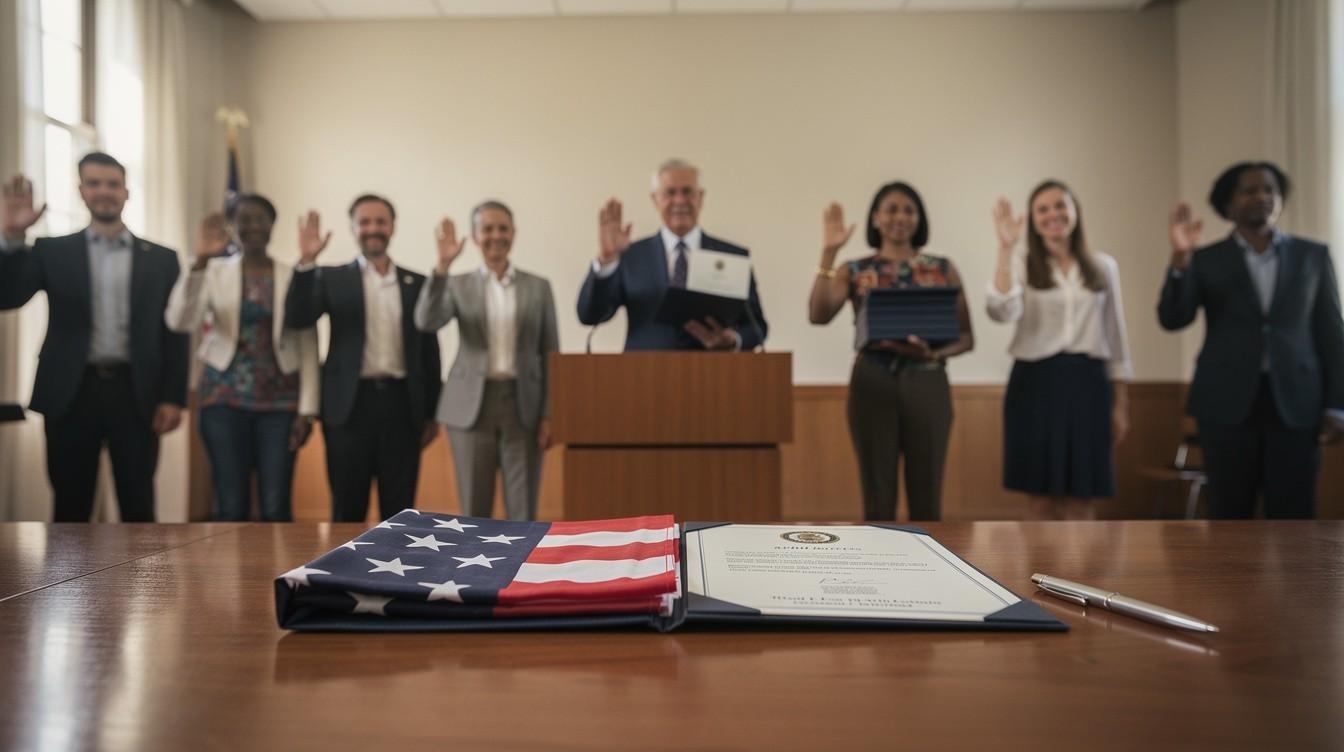
The Oath of Allegiance officially transforms you from permanent resident to U.S. citizen. USCIS administers the same standardized oath to all applicants, and you will take it in front of a USCIS officer or judge alongside dozens of other new citizens. The oath reads: I hereby declare, on oath, that I absolutely and entirely renounce and abjure all allegiance and fidelity to any foreign prince, potentate, state, or sovereignty of whom or which I have heretofore been a subject or citizen; that I will support and defend the Constitution and laws of the United States of America against all enemies, foreign and domestic; that I will bear true faith and allegiance to the same; and that I take this obligation freely without any mental reservation or purpose of evasion; so help me God.
You will stand with your hand raised or over your heart while you recite these words. The ceremony moves at a steady pace, so you will not have time to hesitate or stumble through the text. Practice the oath beforehand so you feel confident saying it aloud. Many applicants watch videos of actual naturalization ceremonies on YouTube to hear how other people deliver the oath, and this familiarity reduces anxiety on the day itself.
How the Oath Ceremony Works
The entire oath recitation takes approximately two to three minutes per group of applicants. USCIS staff will coordinate the timing so that all new citizens speak the oath together as one group. This synchronized approach creates a powerful moment where hundreds of people from different countries unite in their commitment to the United States. The officer or judge will lead the recitation, and you will follow along at a natural pace. Most people find the experience emotional and meaningful, even if they feel nervous beforehand.
Receiving Your Certificate of Naturalization
Immediately after you take the oath, USCIS staff will distribute your Certificate of Naturalization, which serves as the physical proof of your U.S. citizenship. This certificate is legal-sized paper with your photograph and the date you became a citizen. Handle it carefully because you will need it for passport applications, employment verification, and other official matters. Do not fold or damage the certificate during the ceremony or on your way home.
What Your Certificate Contains
Your Certificate of Naturalization includes your complete name, marital status, and place of residence. The document also displays your country of origin and the exact date you took the oath. USCIS assigns a unique USCIS registration number to your document, and this number appears on all official records. The certificate also includes the signature of the USCIS officer or judge who administered the oath. Treat this document as you would a passport-store it in a safe place at home, and bring it only when necessary for official purposes.
Your Next Steps as a New Citizen
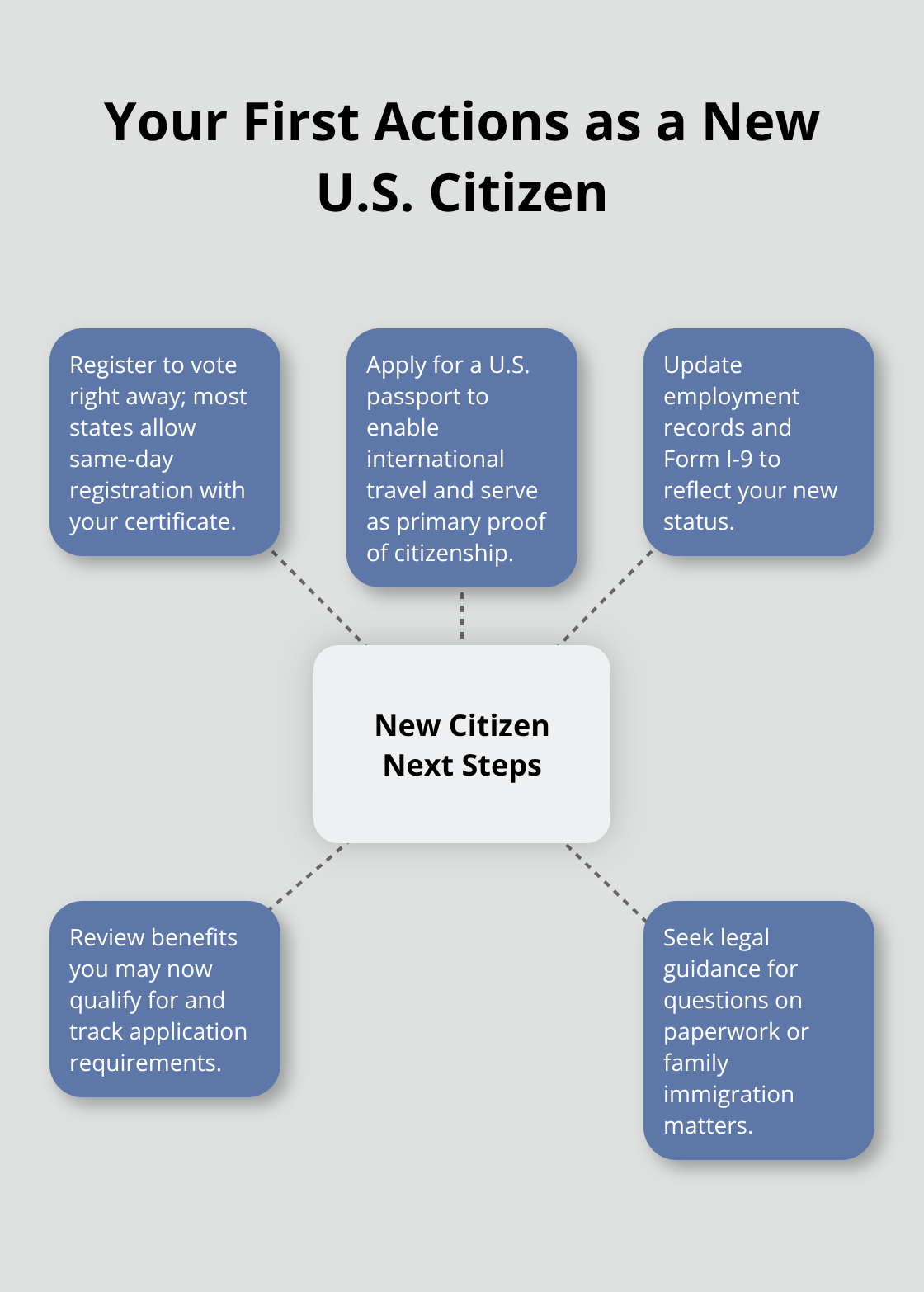
Once you leave the ceremony with your certificate in hand, you become a full U.S. citizen with all associated rights and responsibilities. Your next step is voter registration, which you can complete immediately online or at your local election office. Most states allow new citizens to register to vote on the same day they receive their certificate. If you face questions about citizenship benefits, immigration paperwork, or other legal matters related to your new status, an immigration attorney can provide guidance tailored to your specific situation.
Final Thoughts
Your naturalization ceremony details shape how you experience one of life’s most important transitions. The preparation you complete beforehand-organizing your documents, understanding the oath, and knowing what to expect-transforms potential stress into confidence. Arrive early, bring only what you need, and dress professionally so you can focus on the moment itself rather than logistical concerns.
After you take the oath and receive your Certificate of Naturalization, your responsibilities as a U.S. citizen begin immediately. Voter registration should be your first priority, and most states allow you to register on the same day you receive your certificate (you can complete this online or at your local election office within minutes). Beyond voting, consider obtaining a U.S. passport, updating your employment records with your new citizenship status, and reviewing any benefits you may now qualify for as a citizen.
New citizens often face questions about tax obligations, Social Security benefits, or how their citizenship affects family members still abroad. These matters require personalized legal guidance rather than general information. We at Law Offices of Jeffrey A. Thompson assist clients in navigating immigration matters, from paperwork to overcoming legal hurdles, helping them achieve their American dreams.
Share this post: