Massachusetts Consulate Help: Streamlining Your Visa Appointment
April 10, 2026
Getting a visa appointment at the Massachusetts consulate doesn’t have to be stressful. We at Law Offices of Jeffrey A. Thompson know that the process involves multiple steps, confusing requirements, and tight timelines.
This guide walks you through everything you need to know to schedule your appointment, prepare for your interview, and track your application. You’ll find practical tips, resources, and the support you need to move forward with confidence.
What Visas Let You Enter Massachusetts and What’s Required
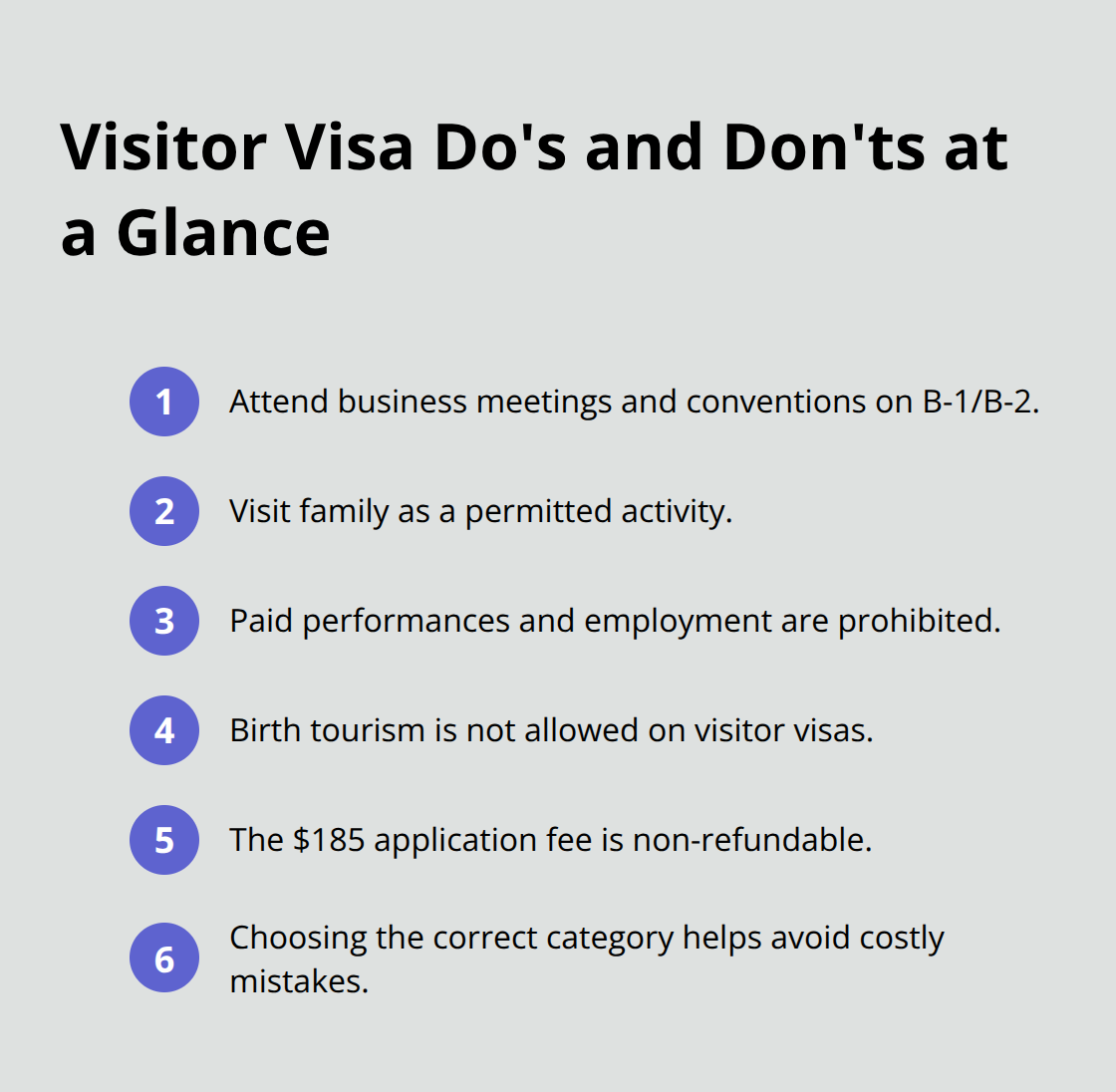
Massachusetts welcomes visitors on several visa categories, each with specific rules about what you can do while here. The U.S. Department of State outlines nonimmigrant B-1 visas for business purposes, B-2 visas for tourism, and combined B-1/B-2 visas for mixed travel. On a B-1/B-2 visa, you can attend business meetings, participate in conventions, and visit family members. What you cannot do matters just as much: paid performances, employment, and birth tourism are strictly prohibited on visitor visas. Choosing the wrong visa category upfront creates headaches later, so understanding these boundaries prevents costly mistakes. The $185 nonimmigrant visa application fee is non-refundable, and some nationalities face an additional visa issuance fee after approval, so getting it right the first time saves money and stress.
Documentation That Actually Matters
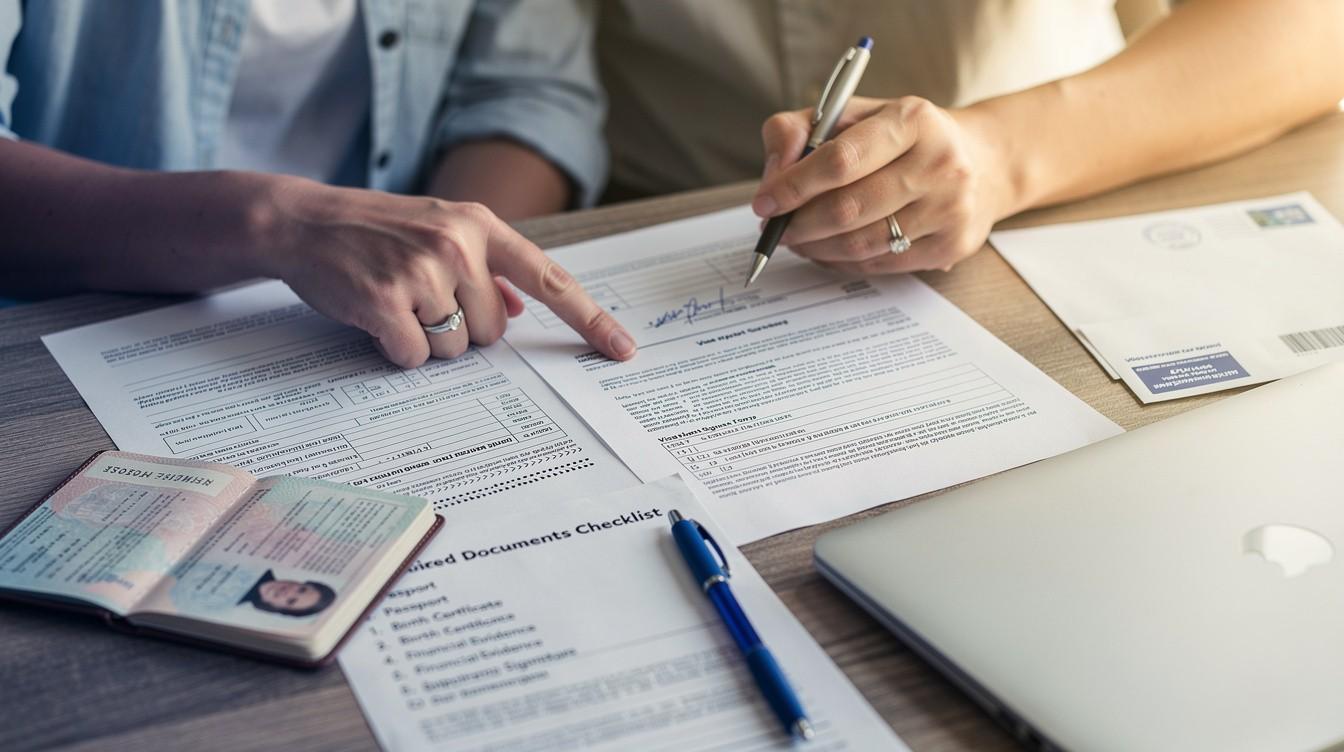
Your passport must remain valid for at least six months beyond your intended stay. Complete the Online Nonimmigrant Visa Application (DS-160) and print your confirmation page before your appointment. You’ll need a compatible photo-either uploaded during the DS-160 process or brought printed to your interview. Pay the $185 fee in advance and bring your receipt. The consulate will request additional documents to verify your trip purpose, confirm your intent to return home, and demonstrate your ability to pay for your stay. Contrary to common belief, an invitation letter is not required. Gather documents that tell your story: bank statements, employment letters, property deeds, or family ties in your home country all strengthen your case. Many applicants overlook consistency between their DS-160 answers and supporting documents; mismatches trigger suspicion and longer processing. Errors in immigration forms lead to rejection, delays, or in serious cases involving misrepresentation, lifetime bans. If you discover a mistake after USCIS acknowledges receipt, contact them immediately to seek corrections before it affects your visa decision.
Timelines Vary More Than Most People Expect
Wait times for visa interviews differ significantly by location, season, and visa category. Schedule your appointment early because delays compound quickly during peak travel seasons. After your interview, if approved, you may need to pay an additional visa issuance fee and arrange passport return-processing times vary by consulate. The entire process from application to receiving your visa typically takes weeks, not days. Digital fingerprinting happens at your interview as an ink-free process, and some cases enter administrative processing, which extends timelines unpredictably. A visa grants you entry permission but does not guarantee admission at the port of entry; U.S. Customs and Border Protection officers make the final decision and may issue an I-94 form. If you need to extend your stay beyond what you initially requested, USCIS procedures apply, and departing on time is critical-overstay voids your visa and damages future eligibility. Some visa renewals qualify for Interview Waiver approval, allowing renewal without returning for an in-person appointment; check your specific consulate’s eligibility requirements.
With these visa categories and documentation requirements clear, the next step involves scheduling your appointment and preparing for what happens at the consulate.
Scheduling and Preparing for Your Consulate Interview
Your visa appointment requires speed and organization. The U.S. Department of State operates the visa appointment system through the consulate serving your region, and availability fills quickly, especially during peak seasons like spring and summer. Log into the consulate’s appointment portal as soon as you complete your DS-160 application and pay your visa fee. Many applicants waste weeks waiting to schedule because they assume appointments remain plentiful-they don’t. At Massachusetts consulates, including locations in Boston and other major cities, wait times regularly stretch to several weeks or longer depending on the visa category and time of year. The moment your fee payment confirms, book your slot. Don’t wait for the perfect moment or ideal interview date; take the first available opening. Some consulates offer expedited appointments through ABTC cardholders if you qualify, which can compress your timeline significantly.
Preparing Your Documents and Materials
Bring your DS-160 confirmation page printed out, your valid passport, your fee receipt, and a compatible photo to your interview. If your photo upload failed during the DS-160 process, bring a printed version that meets the consulate’s specifications: 2×2 inches, taken within the last six months, with a white background. Prepare bank statements, employment letters, property deeds, or any documents that support what you claimed on your DS-160 form. The consulate will conduct ink-free digital fingerprinting as part of the background check process.
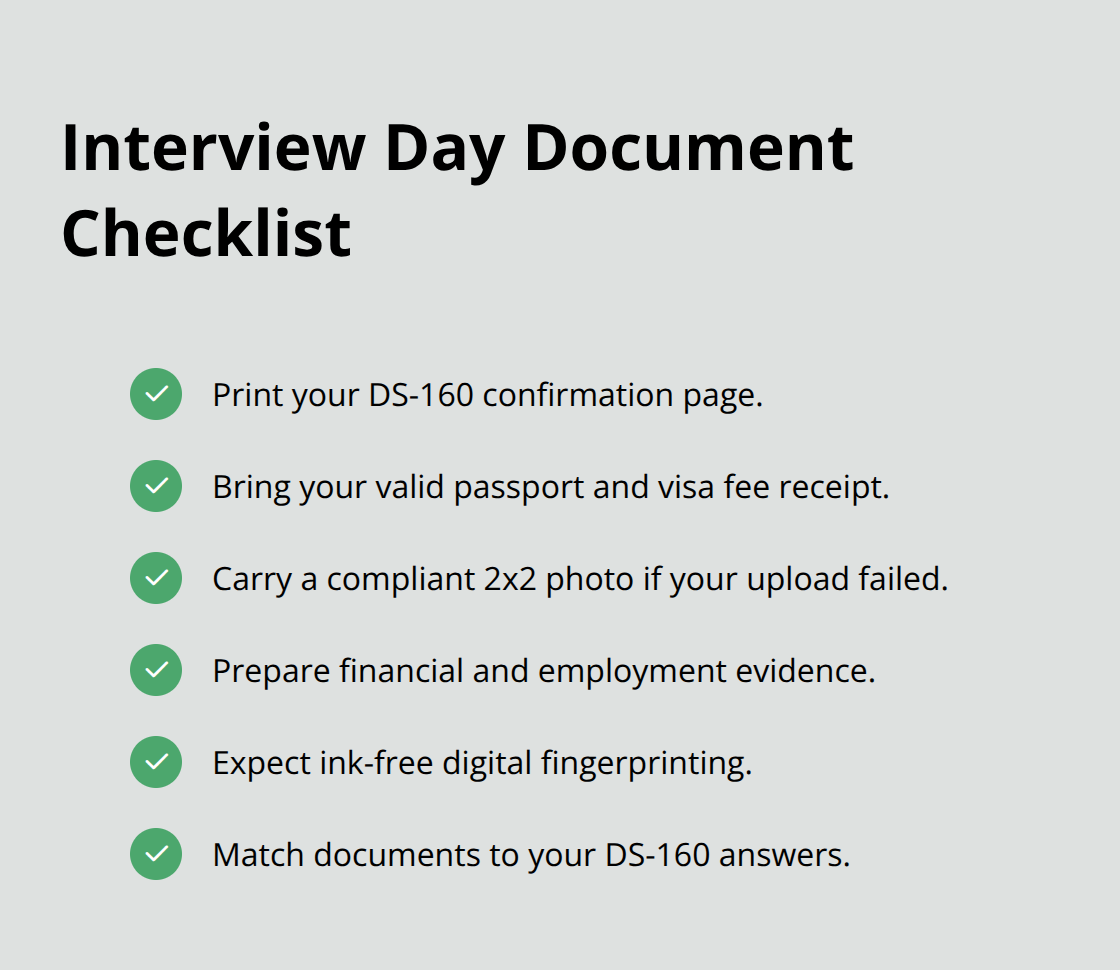
Consistency between your documents and your DS-160 answers matters enormously; mismatches trigger scrutiny and delays.
What Happens During Your Interview
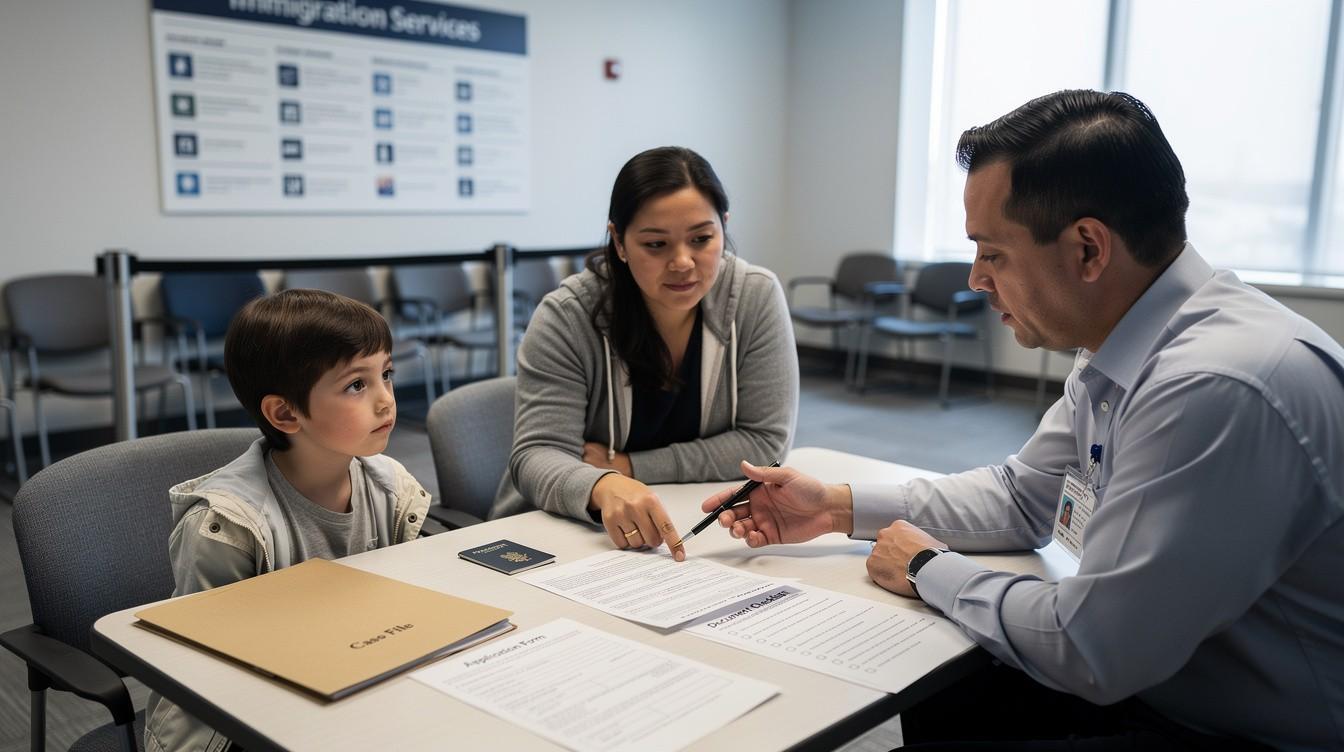
The consulate interview typically lasts 5 to 10 minutes, though yours may take longer if the officer requests additional documents or has questions about your application. Expect direct questions about your trip purpose, how long you plan to stay, who you’ll visit or meet with, and how you’ll support yourself financially during your time in the United States. Answer honestly and concisely-rambling or over-explaining raises suspicion. Some applications enter administrative processing after the interview, which can add weeks or months to your timeline depending on your background and visa category. If the officer approves your visa on the spot, you’ll pay any additional visa issuance fee owed by your nationality, then arrange to pick up your passport with the visa stamped inside. Processing times for passport return vary by consulate, so ask before you leave. Never assume your visa will arrive by a certain date; delays happen frequently.
Handling Denials and Reapplication
If your application faces denial, the officer will explain the reason, typically under immigration code section 214(b), which means the consulate found insufficient evidence that you intend to return home. Don’t argue in the moment. Instead, address the specific concern and reapply if your circumstances have genuinely changed-for example, if you’ve secured employment, purchased property, or strengthened family ties in your home country.
Critical Mistakes That Derail Applications
The most common mistake applicants make is submitting inconsistent information. Your DS-160 answers must align exactly with your supporting documents and your interview responses. If you claim you’re staying for two weeks but bring documents showing a three-month hotel reservation, the discrepancy triggers scrutiny and delays. Misrepresentation-intentional or not-can result in visa denial and serious consequences. Never lie about your employment, criminal history, or previous visa denials. If you’ve been denied before, disclose it; hiding it makes things exponentially worse.
Many applicants overlook small mistakes on the DS-160 form, such as misspelled names, incorrect dates, or wrong visa categories selected. These errors seem minor but flag your application for manual review, extending processing times. Language barriers amplify the risk of misunderstanding questions or providing unclear answers. If English isn’t your first language, prepare written notes beforehand answering common questions so you can reference them during the interview. Don’t bring an unauthorized translator; the consulate will provide one if needed.
Another critical mistake is applying for the wrong visa category. If you’re attending a paid conference or conducting business, you need B-1, not B-2. If you’re combining business and tourism, the B-1/B-2 is appropriate. Applying for the wrong category wastes your fee and forces you to reapply. Finally, many applicants wait too long to schedule their appointments, then panic when they discover wait times exceed their travel dates. Schedule immediately after paying your fee, even if your intended travel is months away. Availability tightens as travel dates approach, and you cannot change your appointment date easily once booked.
With your appointment scheduled and your documents prepared, the next step involves understanding what happens after your interview and how to track your application status through the consulate system.
Getting Help When You Need It Most
You cannot navigate the visa process alone, and attempting to do so multiplies your risk of costly errors. Immigration attorneys catch errors before they reach the consulate. The U.S. Department of State publishes official visa resources on Travel.State.Gov, including detailed instructions for the DS-160 form, fee payment procedures, and consulate-specific appointment systems. These resources answer basic questions, but they don’t account for your individual circumstances or help you prepare for interview questions specific to your background. Government websites provide the rules; they don’t provide strategy.
Why Government Resources Fall Short
Each consulate maintains its own appointment portal and processing timeline, and contacting them directly before your interview can clarify specific documentation requirements or expedited options available to you. However, consulate staff cannot offer legal advice or help you evaluate whether your circumstances support visa approval under section 214(b) standards. That gap between administrative assistance and legal strategy is where mistakes happen.
How Attorneys Prevent Application Failures
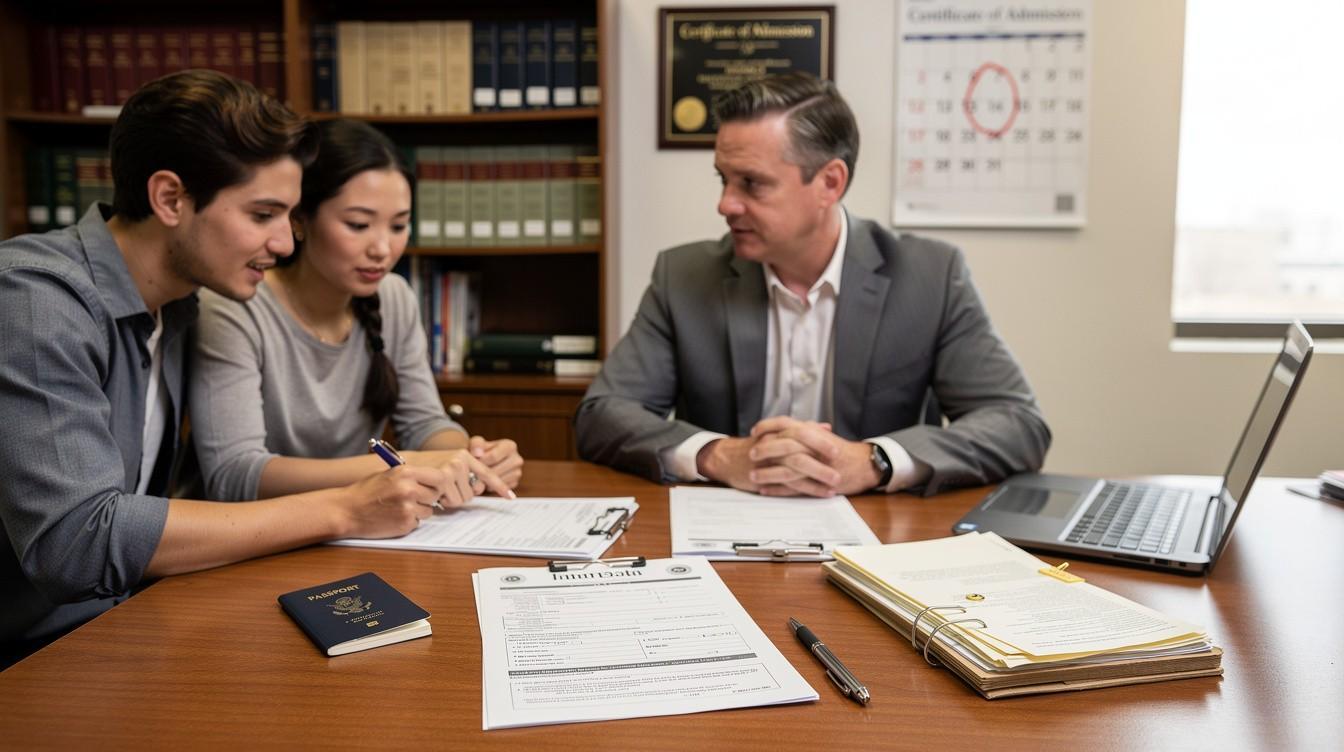
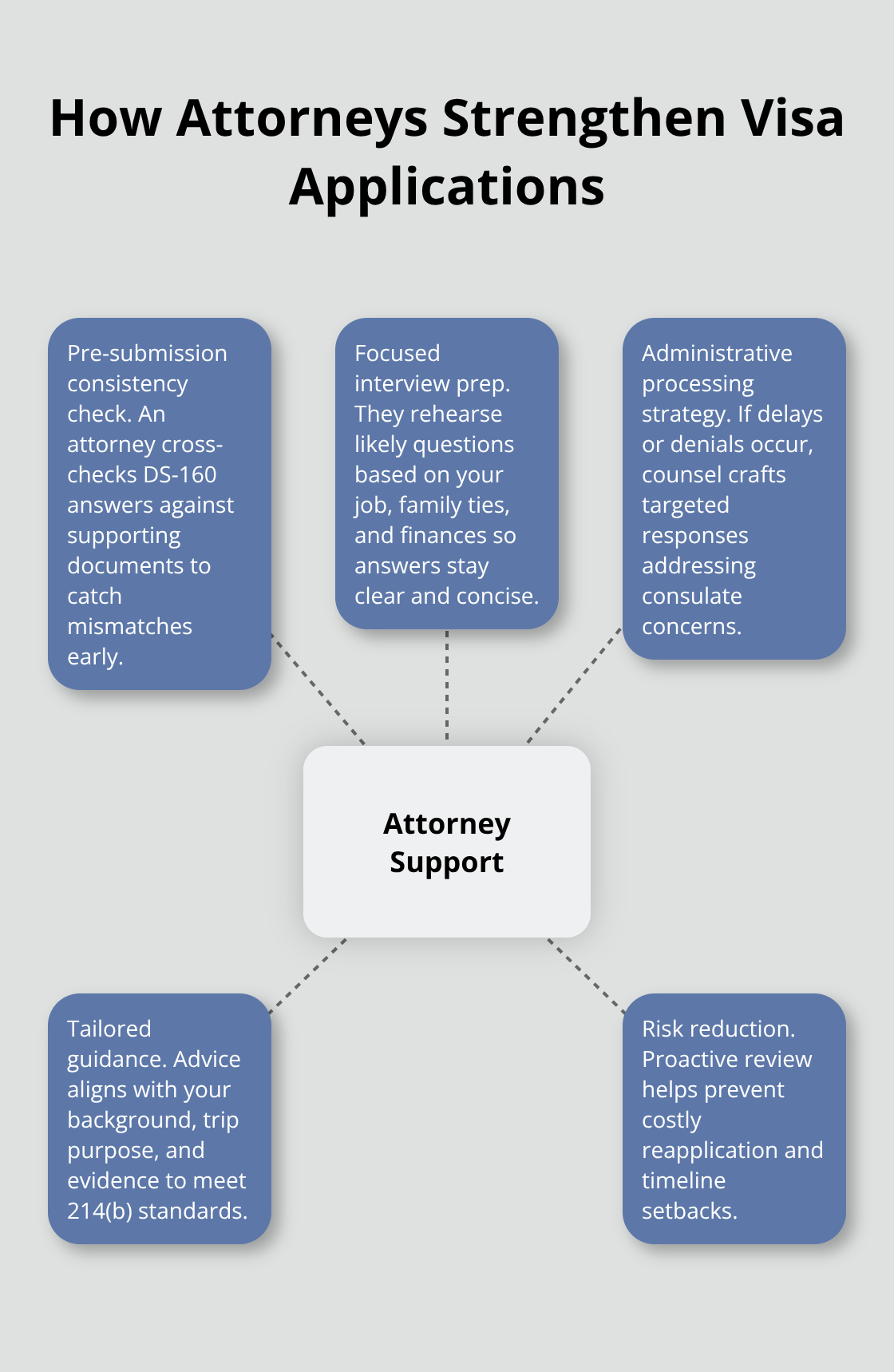
Visa applications require precision in every detail. An attorney reviews your DS-160 answers against your supporting documents to identify inconsistencies before submission. They prepare you for likely interview questions based on your employment, family ties, and financial situation. If your application faces administrative processing or denial, experienced counsel crafts responses that address the consulate’s specific concerns rather than generic explanations.
The Cost of Professional Review
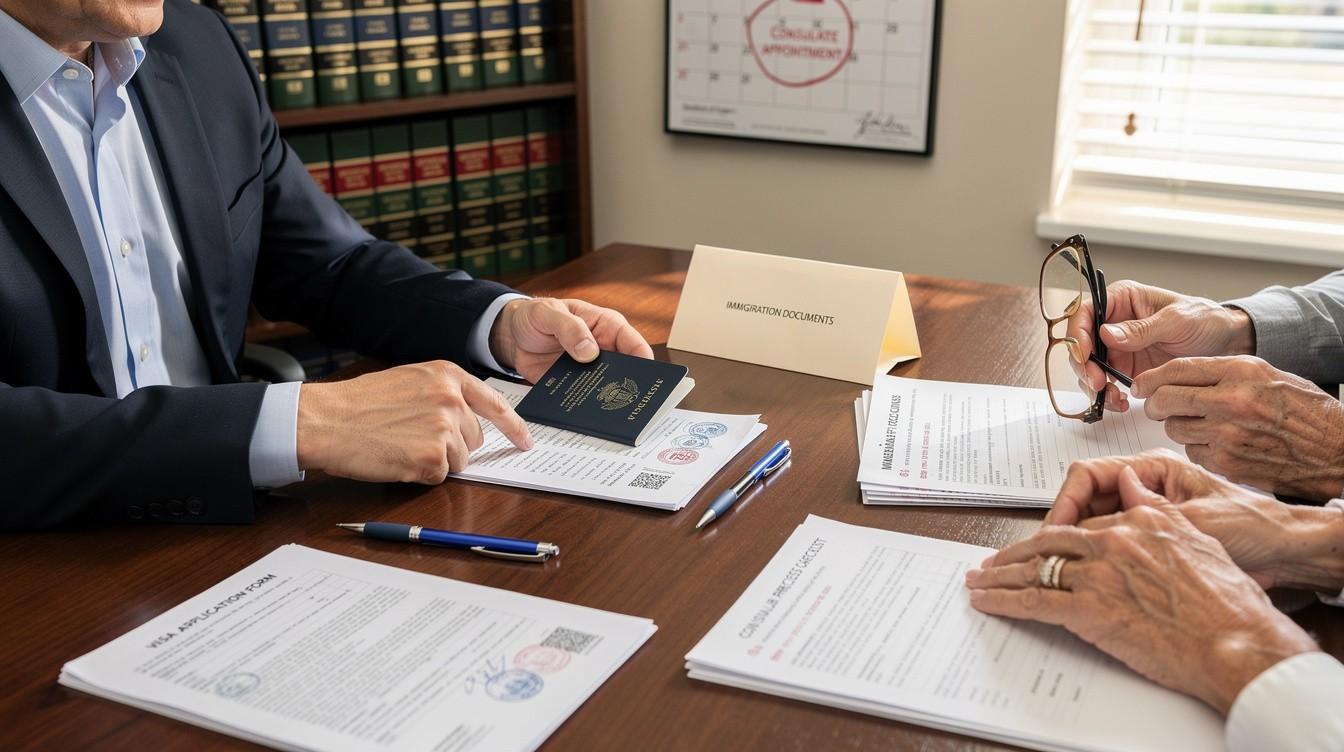
A single consultation identifying a potential weakness in your application costs far less than reapplying after denial. Many applicants discover mistakes only after USCIS acknowledges receipt, at which point correction becomes difficult and delays multiply. Professional review upfront prevents this outcome. For Massachusetts residents, consulting a local immigration attorney before your appointment is practical risk management, not an unnecessary expense. The Law Offices of Jeffrey A. Thompson in Brockton, Massachusetts, assists clients in navigating the immigration process, from paperwork to overcoming legal hurdles, helping them achieve their American dreams. Attorney Thompson provides compassionate, knowledgeable, and dedicated legal representation tailored to your specific needs.
Final Thoughts
Your visa appointment success rests on three foundations: accurate paperwork, honest answers, and professional guidance when complications arise. The errors that derail applications happen before you enter the consulate, and inconsistent documents, misunderstood questions, or wrong visa categories create problems that take weeks or months to resolve. Scheduling your appointment early removes panic from the process, preparing your documents thoroughly prevents last-minute scrambling, and understanding what the consulate officer will ask eliminates surprises during your interview.
Massachusetts consulate help through government resources provides basic information, but those resources cannot replace professional legal review of your individual situation. We at Law Offices of Jeffrey A. Thompson recognize that immigration paperwork carries real consequences-a single error can trigger denial, delays, or serious complications that affect your future eligibility. Our team reviews your application before submission, prepares you for interview questions tailored to your background, and handles complications if they arise.
Your American dream should not depend on hoping you filled out forms correctly. Contact Law Offices of Jeffrey A. Thompson to discuss your visa situation and receive the guidance you need to move forward with confidence.
Share this post: