Spouse Visa Brockton Massachusetts: Navigating the Fiancé Visa Process with Confidence
May 29, 2026
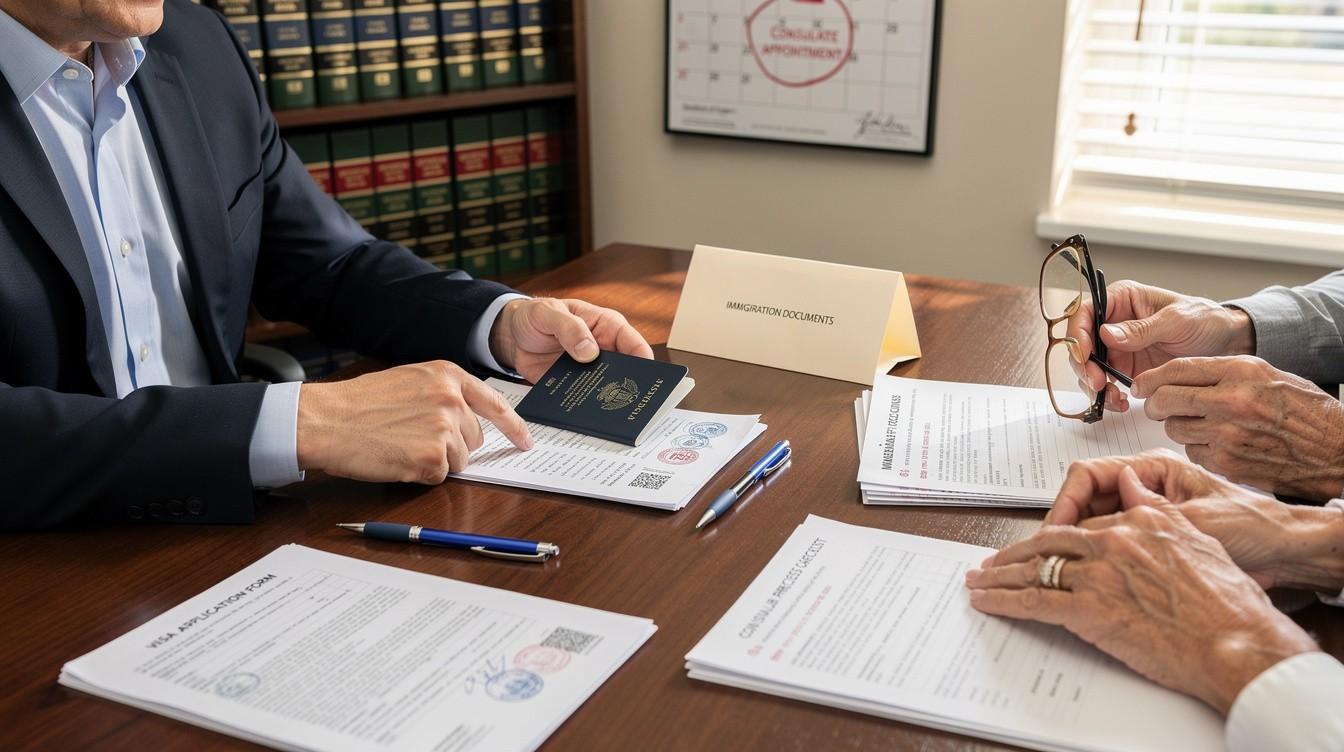
A K-1 fiancé visa opens the door for international couples to marry in the United States, but the process demands careful planning and precise documentation. At Law Offices of Jeffrey A. Thompson, we guide couples through every step of this complex journey.
If you’re seeking a spouse visa in Brockton, Massachusetts, understanding the fiancé visa requirements now prevents costly mistakes later. This guide walks you through the application process, tackles common obstacles, and shows you exactly what comes next.
Understanding the K-1 Fiancé Visa and Eligibility Requirements
A K-1 fiancé visa allows a U.S. citizen to bring their foreign fiancé into the United States for marriage within 90 days of arrival. This is not a green card or permanent residency-it’s a temporary nonimmigrant visa that opens a specific window to marry and then transition to permanent status. According to USCIS, the K-1 visa permits a single entry and typically lasts up to six months, though you must marry within those first 90 days after your fiancé arrives at a U.S. port of entry. The process starts when you file Form I-129F with USCIS, which must receive approval before your fiancé can even apply for the visa at a U.S. embassy or consulate abroad. Many couples in Brockton and surrounding Massachusetts areas select this route because it moves faster than marriage-based green card processing, which can take significantly longer depending on your country of origin.
Meeting Requirements and Legal Status
Both you and your fiancé must be legally free to marry, meaning any previous divorces must be finalized and not pending. USCIS requires that you have met your fiancé in person within two years before you file the I-129F petition-this is not optional. You cannot satisfy this requirement through video calls, phone conversations, or online relationships alone. However, USCIS does allow waivers if meeting in person would violate your fiancé’s cultural or religious practices or cause extreme hardship, though approval is never guaranteed. You must demonstrate the in-person meeting with concrete evidence such as flight tickets, hotel reservations, passport stamps, or verifiable social media posts that show you together during that timeframe. If your fiancé has unmarried children under age 21, they can appear on the I-129F petition and arrive on K-2 visas, though they must remain unmarried to qualify for green cards later.
How the K-1 Differs From Marriage-Based Immigration
The K-1 fiancé visa operates fundamentally differently from the marriage-based green card process, and selecting the right path matters significantly. With a K-1, you marry first while your spouse is in the U.S., then file for adjustment of status on Form I-485. With marriage-based green cards, your spouse may apply from abroad through consular processing or from within the U.S. if they already reside here legally. The K-1 timeline often moves faster-typically eight to twelve months from I-129F filing to green card approval-compared to marriage-based cases that can stretch eighteen months or longer depending on visa availability. However, the K-1 requires you to marry within that strict 90-day window or your fiancé loses status and must leave the country.
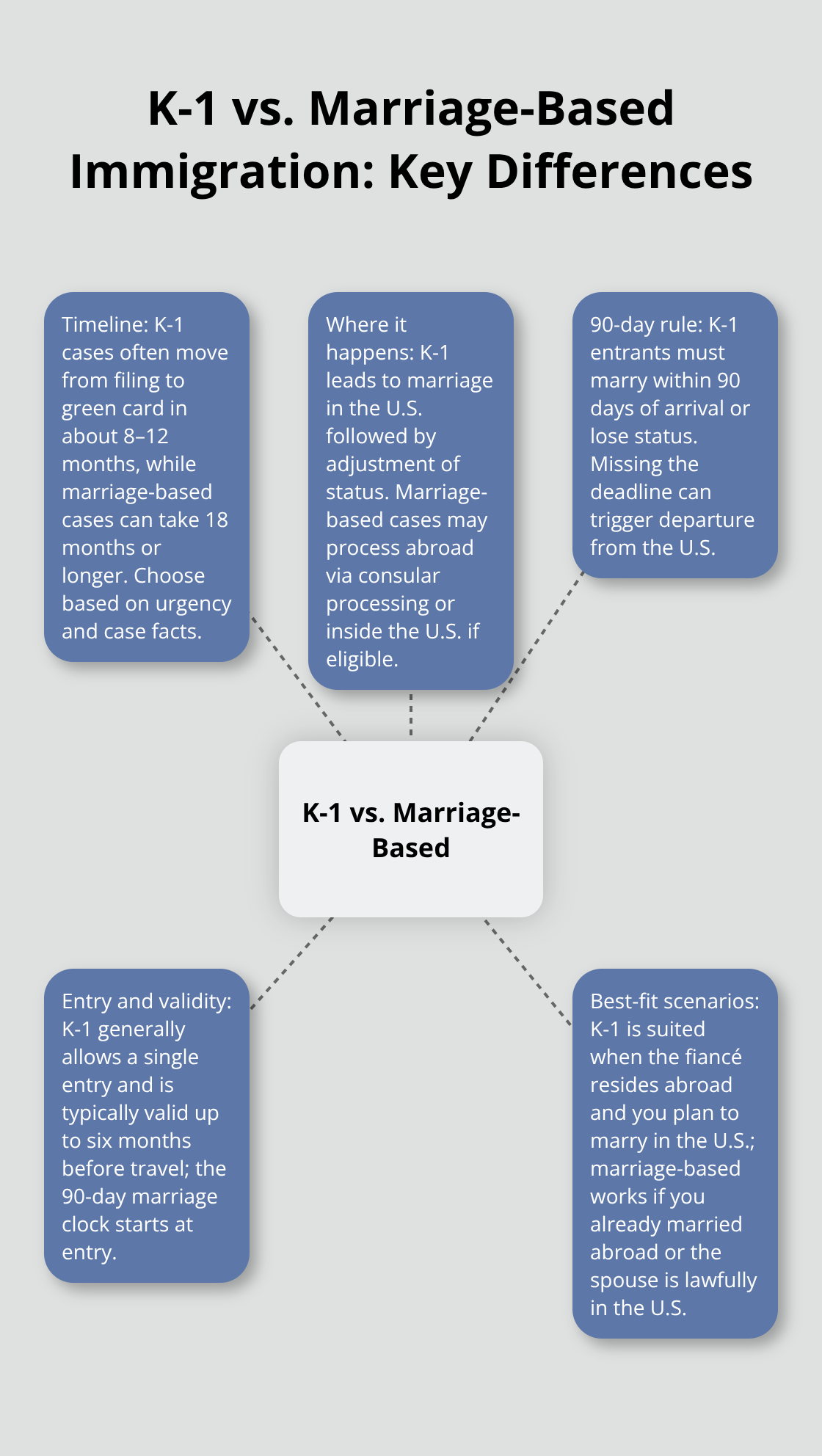
If you marry outside the United States or your fiancé already lives here legally on another visa, the K-1 is not available and you’ll need to pursue marriage-based sponsorship instead.
The choice between these two pathways affects your timeline, costs, and legal obligations. An immigration attorney can help you evaluate which option aligns with your specific circumstances and what each route demands from you and your fiancé. Once you understand which visa category fits your situation, the next step involves preparing the actual application materials and understanding what USCIS expects from you at every stage.
How to File Your I-129F and Navigate the Approval Process
Preparing and Submitting Form I-129F
Filing Form I-129F with USCIS marks the official start of your K-1 journey, and this step determines whether your fiancé can proceed to a visa interview. You must submit this petition before your fiancé applies for the visa abroad, and USCIS processes petitions in the order received. According to USCIS processing time data, I-129F approval currently takes anywhere from several weeks to several months depending on your service center and case complexity. The form itself requires detailed information about both you and your fiancé, including biographical data, employment history, and a thorough description of how you met and your relationship history.
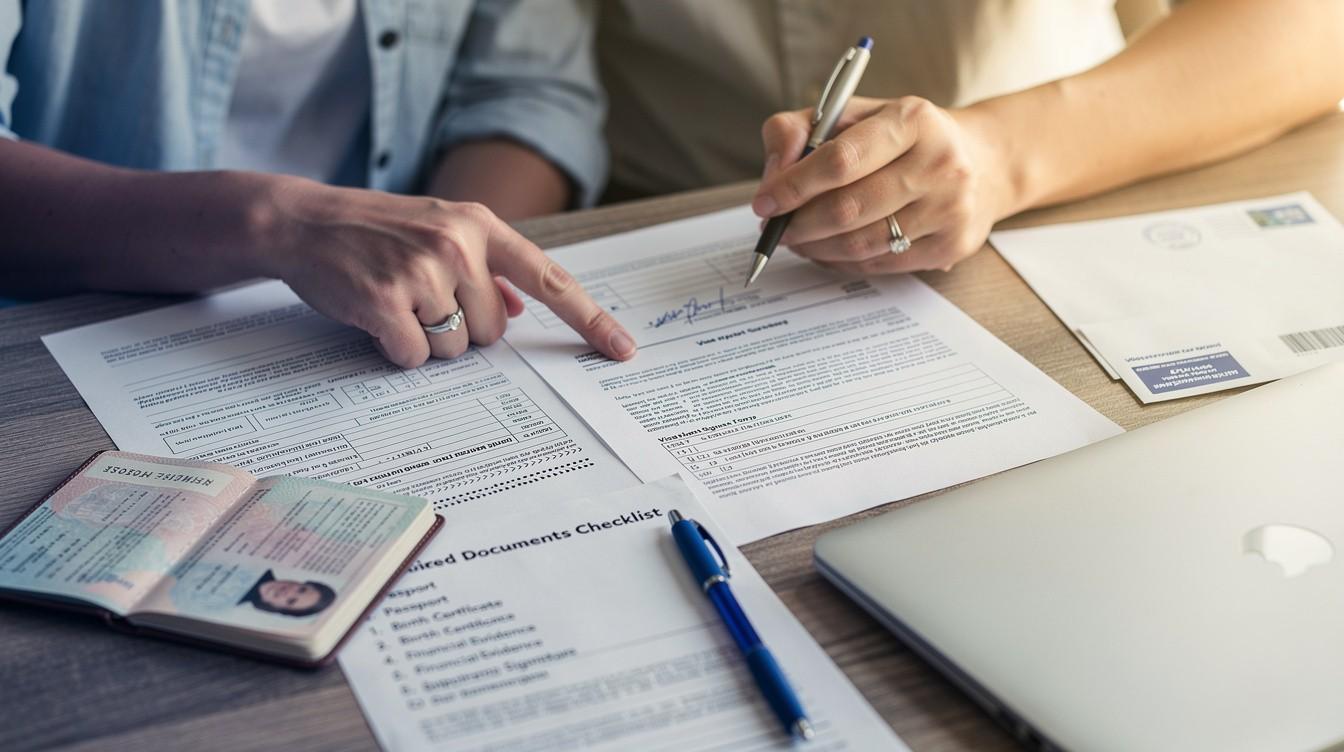
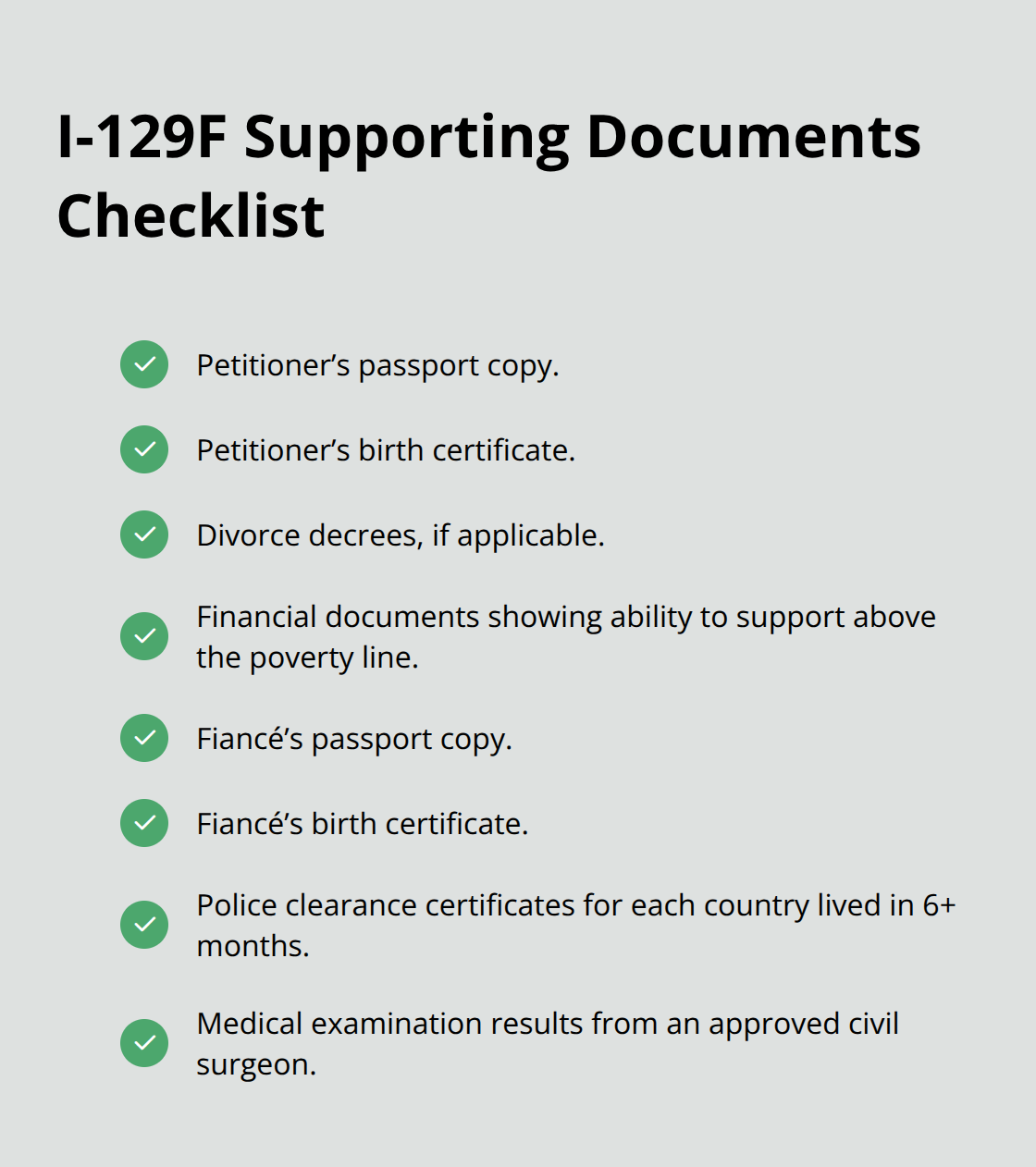
Accuracy matters more than speed when completing Form I-129F. Incomplete or inconsistent applications cause delays that push back your entire timeline. You must include copies of your passport, birth certificate, divorce decrees if applicable, and financial documents proving you can support your fiancé above the poverty line. Your fiancé must provide their passport, birth certificate, police clearance certificates from every country where they have lived for more than six months, and medical examination results from an approved civil surgeon.
Building Your Relationship Evidence
The relationship evidence section determines whether most couples succeed or face obstacles. USCIS wants photos of you together, printed emails or messages showing ongoing communication, travel itineraries proving the in-person meeting, and a detailed written statement from both you and your fiancé explaining your relationship. Generic statements fail; specific details about how you met, what you discussed, and why you decided to marry carry far more weight with USCIS officers.
What Happens After USCIS Approves Your Petition
Once USCIS approves your I-129F, the petition moves to the U.S. Department of State’s National Visa Center, which then forwards it to the U.S. embassy or consulate in your fiancé’s home country. This is when your fiancé schedules a visa interview and undergoes medical examinations and background checks that include fingerprinting and database searches for criminal history, immigration violations, and security concerns. Your fiancé cannot complete the medical exam until after USCIS approves the I-129F, so do not schedule it early.
Preparing for the Consular Interview
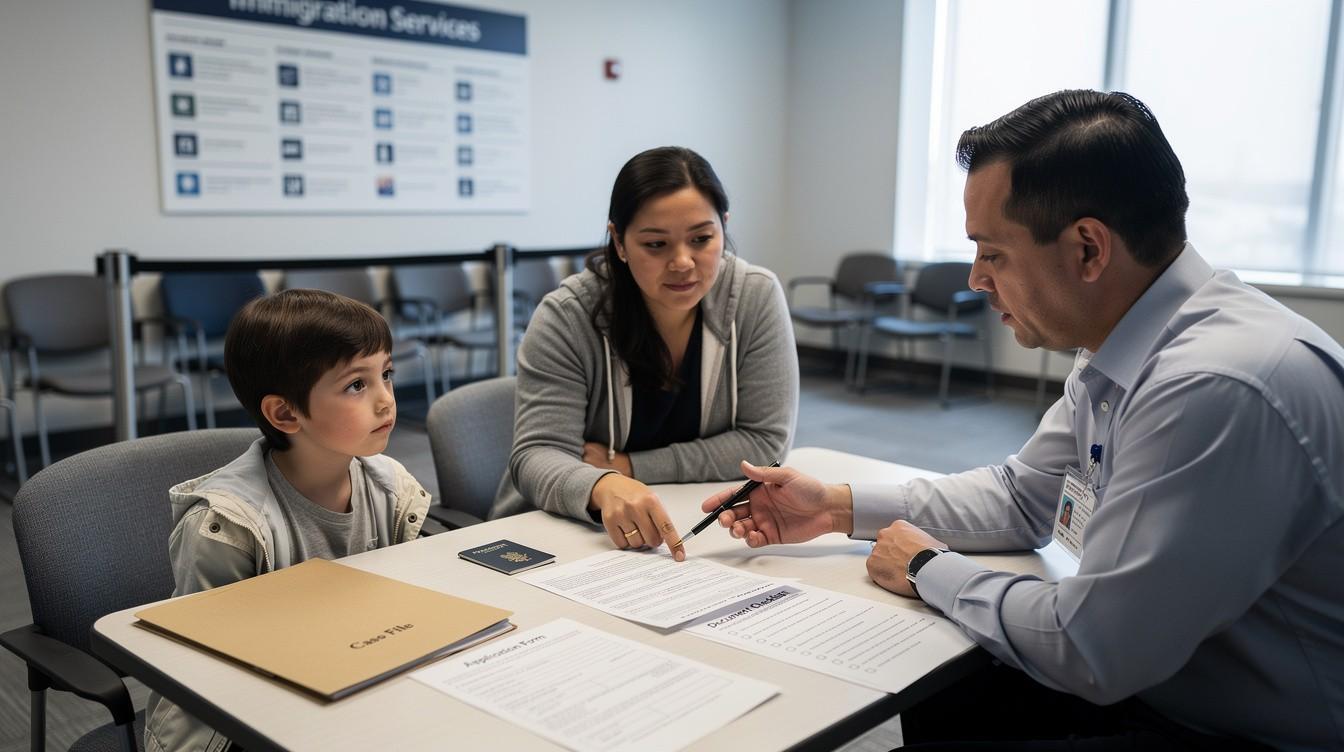
The interview itself typically lasts ten minutes and focuses on whether the relationship is genuine and whether your fiancé intends to marry you within 90 days of arrival. The consular officer will ask specific questions about your relationship, how you communicate, your engagement story, and your future plans together. Vague answers or inconsistencies with your application raise red flags that lead to denial.
Your fiancé should prepare thoroughly for this conversation. Review the entire I-129F petition together, practice answers to common questions aloud, and bring a folder with copies of all supporting documents, even if not explicitly requested. Dress professionally, arrive thirty minutes early, maintain eye contact, and speak clearly throughout the interview. After the interview, if approved, your fiancé receives the K-1 visa in their passport, typically valid for six months and allowing a single entry into the United States.
With the visa in hand, your fiancé can now travel to the U.S., but the real work begins at the port of entry-where a CBP officer makes the final decision on admission and your 90-day marriage window officially starts.
What Stops K-1 Applications and How to Fix It
USCIS denies K-1 petitions when officers spot inconsistencies between your claims and supporting evidence. The most common rejection reasons center on proving the relationship is genuine rather than transactional, documenting that you actually met in person, and showing you have the financial ability to support your fiancé. Many couples underestimate how thoroughly USCIS scrutinizes these three areas.
Building Relationship Evidence That Convinces USCIS
Your relationship evidence must extend far beyond a few photos. USCIS officers have reviewed thousands of applications and can identify thin documentation immediately. Collect detailed communication records that span months, not just a handful of messages. Print emails, text message screenshots with dates, and messaging app histories that show ongoing discussion about life plans, family, finances, and your future together.
Include travel confirmations with dates that align perfectly with the in-person meeting requirement. Hotel receipts, airline tickets, and passport stamps should match your written narrative about when and where you met. If you lack some original documents, affidavits from friends or family members who witnessed your relationship strengthen your case significantly. Couples who create a detailed relationship timeline with specific dates, locations, and milestones-first meeting, first phone call, engagement date, when you decided to pursue K-1 sponsorship-present far more convincing applications than those offering vague recollections.
Addressing Background Issues and Criminal History
Criminal convictions, immigration violations, or outstanding debts in your fiancé’s home country can trigger USCIS requests for additional evidence or outright denials. If your fiancé has any criminal history, consult an immigration attorney before filing because certain crimes trigger deportability grounds that may require a waiver. An attorney can evaluate your specific situation and determine whether proceeding makes sense or whether you need to address the issue first.
Managing Processing Delays and USCIS Requests
Processing delays currently stretch K-1 cases across eight to twelve months at many service centers, yet couples often panic after three months without updates. USCIS posts processing time estimates on its website, and checking those estimates prevents unnecessary worry. If your case exceeds the posted timeframe by thirty days or more, file an inquiry through USCIS Case Status Online.
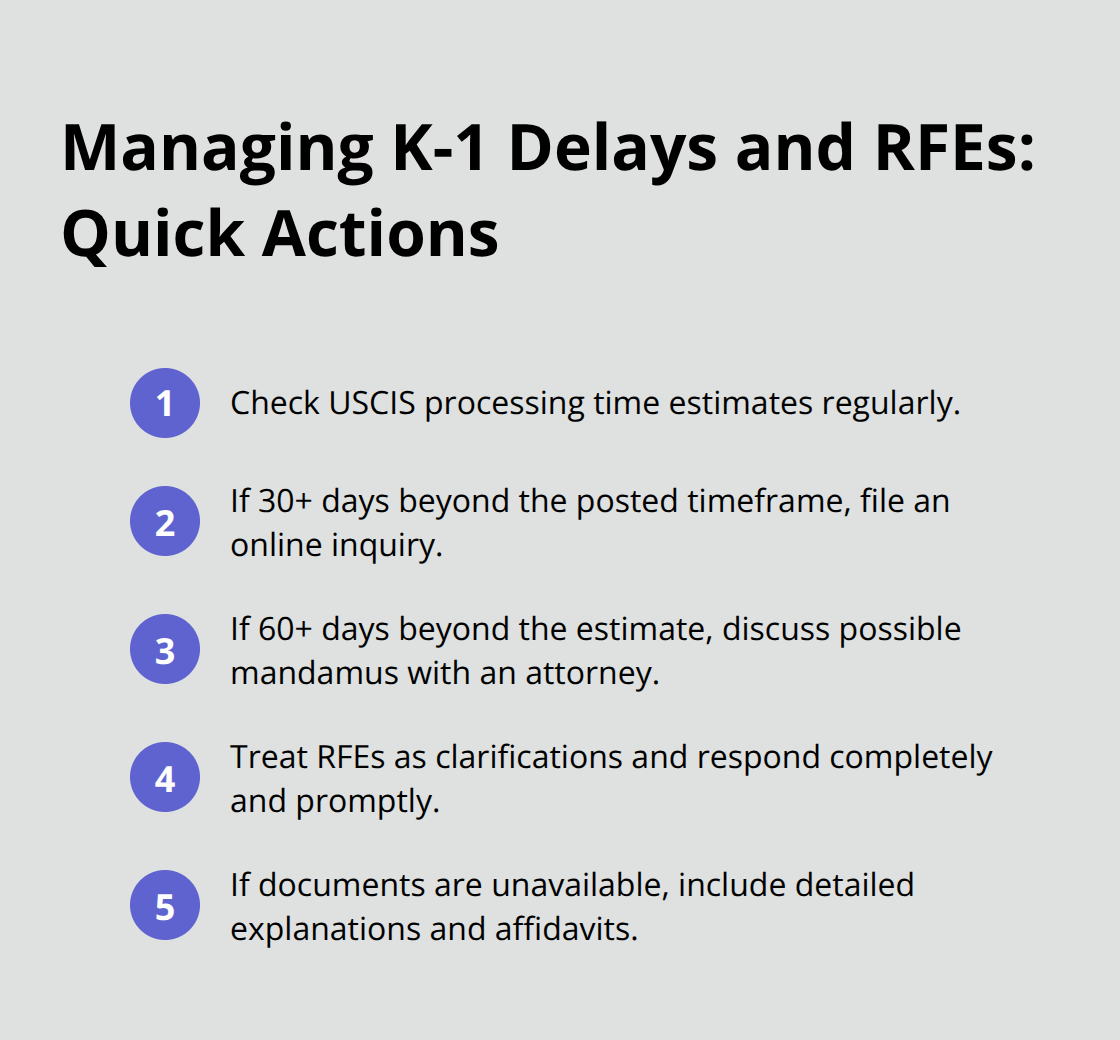
If delays persist beyond sixty days over the estimate, a mandamus action against USCIS may become necessary to compel a decision (though this step requires attorney involvement). Requests for additional evidence happen frequently and are not denials-they simply mean USCIS needs clarification on something in your application. Respond completely and promptly, addressing every single item requested rather than submitting partial information that triggers another round of requests.
Many couples lose months by responding incompletely or missing deadlines. If USCIS requests documents your fiancé cannot obtain from their home country, provide detailed explanations and affidavits from relevant authorities explaining why those records are unavailable. Documentation gaps are manageable if you explain them thoroughly rather than ignoring the request and hoping USCIS overlooks the missing piece.
Final Thoughts
The K-1 fiancé visa process demands attention to detail at every stage, from gathering relationship evidence to preparing for your consular interview. Success hinges on three core principles: submit complete and accurate documentation, respond promptly to any USCIS requests, and maintain consistency between your written statements and supporting evidence. Couples who treat this process methodically rather than rushing through paperwork avoid the delays and denials that plague incomplete applications.
After your fiancé arrives in the United States on the K-1 visa, you have exactly 90 days to marry. Once married, file Form I-485 to adjust status to permanent resident, and your spouse can apply for work authorization using Form I-765 while the I-485 remains pending (which provides employment eligibility for one year and remains renewable). If USCIS approves the I-485 before two years of marriage, your spouse receives conditional permanent resident status and must file Form I-751 within 90 days before the two-year green card expires to remove conditions.
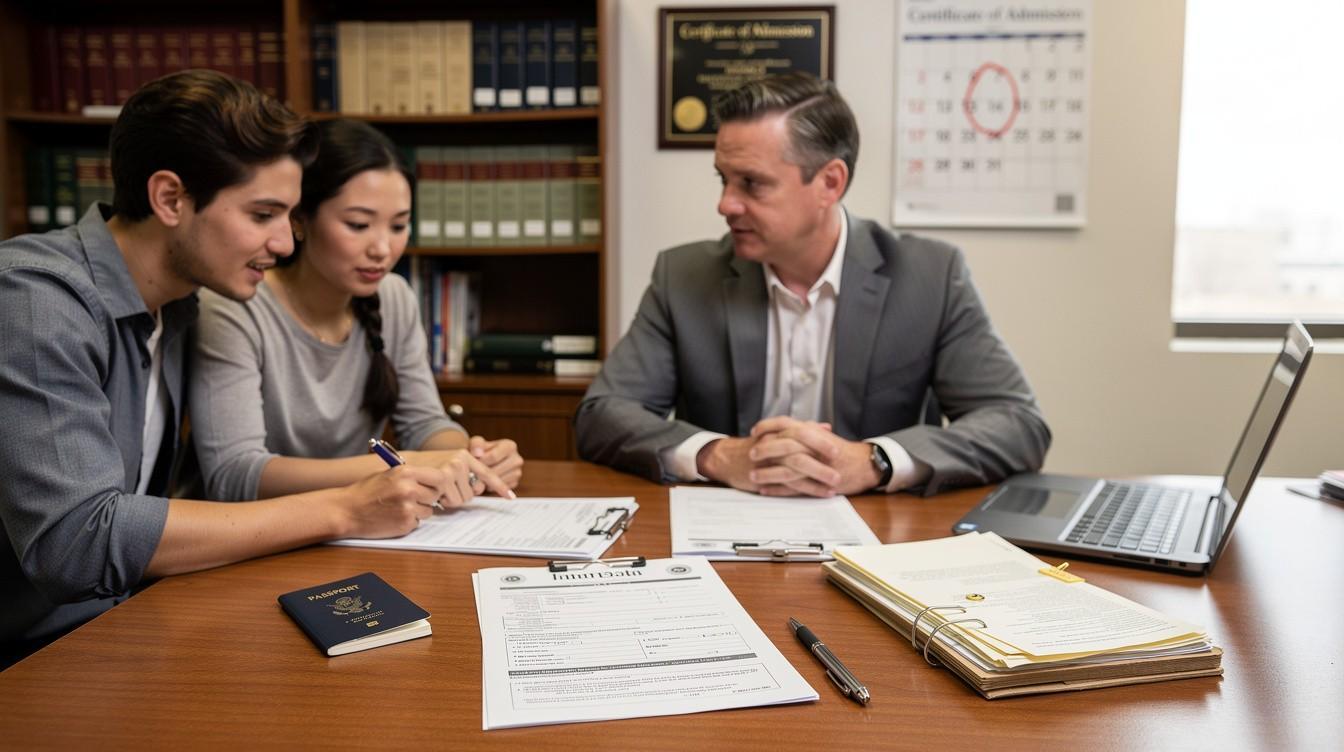
For couples navigating a spouse visa in Brockton, Massachusetts, we at Law Offices of Jeffrey A. Thompson provide immigration guidance tailored to your circumstances, help you prepare thoroughly for interviews, and assist with all paperwork requirements. Contact us to discuss your K-1 petition and avoid costly mistakes that delay your marriage and permanent residency.
Share this post: