Naturalization Ceremony Tips: Be Prepared and Confident
July 13, 2026
Your naturalization ceremony is one of the most significant moments of your life. At Law Offices of Jeffrey A. Thompson, we’ve helped countless clients prepare for this day with confidence.
These naturalization ceremony tips will walk you through exactly what to expect, how to prepare, and how to present yourself professionally. You’ll feel ready when you step into that courtroom.
What Happens at Your Ceremony
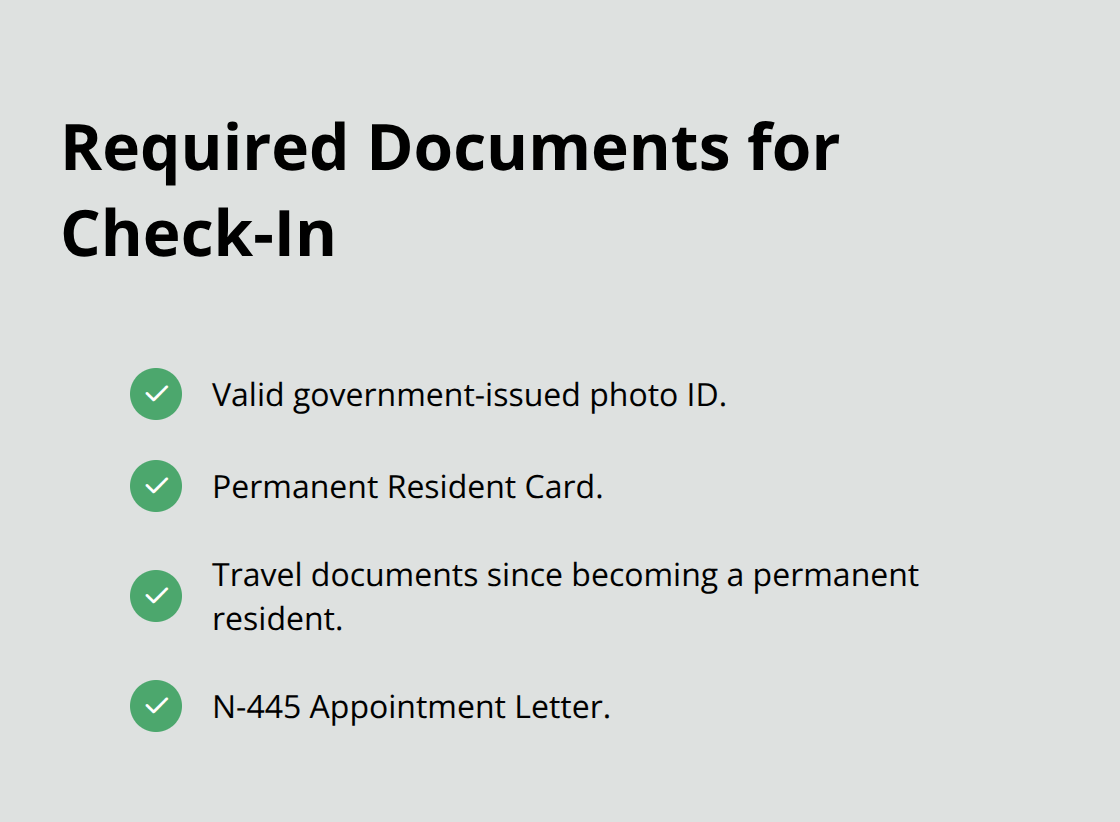
Your naturalization ceremony in the Eastern District of Washington typically lasts 30 to 40 minutes. You’ll arrive 1 to 1.5 hours before the scheduled start time for check-in, though the time listed on your N-445 Appointment Letter is not when the ceremony begins. Bring your valid government-issued photo ID, Permanent Resident Card, any travel documents you’ve held since becoming a permanent resident, and your appointment letter.
Security screening includes bag checks, X-ray scanning, and metal detectors, so plan accordingly. At check-in, a USCIS officer will collect your Permanent Resident Card and review your responses to the N-445 questionnaire. You are not yet a citizen at this point-the ceremony itself confers that status.
The Oath Ceremony Program
The actual oath ceremony includes remarks from a federal judge, the Oath of Allegiance that you’ll recite, the national anthem, and a short video welcoming new citizens. Approximately 1,000 people take the oath annually in this district across locations in Spokane, Yakima, and Richland. After you take the oath and receive your Certificate of Naturalization, you officially become a U.S. citizen. Voter registration assistance is available on-site with volunteers ready to help you complete forms immediately after the ceremony. Cameras and photographs are welcome at naturalization ceremonies in the Eastern District of Washington, so bring a camera if you want to document the moment.
Security and Prohibited Items
Firearms, dangerous weapons, and controlled substances are strictly prohibited in federal courthouses, so leave these items at home entirely. The courthouse operates security protocols similar to airports, so wear comfortable shoes and plan to move through screening efficiently. Large groups should contact the court in advance to arrange seating. Applicants and guests are separated during check-in, and you’ll want to prepare your travel companions for this separation.
Preparing Your Documents and Guests
Guests should arrive about 30 minutes before the ceremony starts. Ensure that anyone accompanying you understands the security requirements and separation procedures. Bring all required documents in an organized folder so you can produce them quickly at check-in. This preparation removes stress and lets you focus on what matters: taking the oath and stepping into your new life as a U.S. citizen. Once you’ve taken the oath, your next immediate steps involve updating your records and understanding your new rights and responsibilities.
Getting Ready Before You Walk In
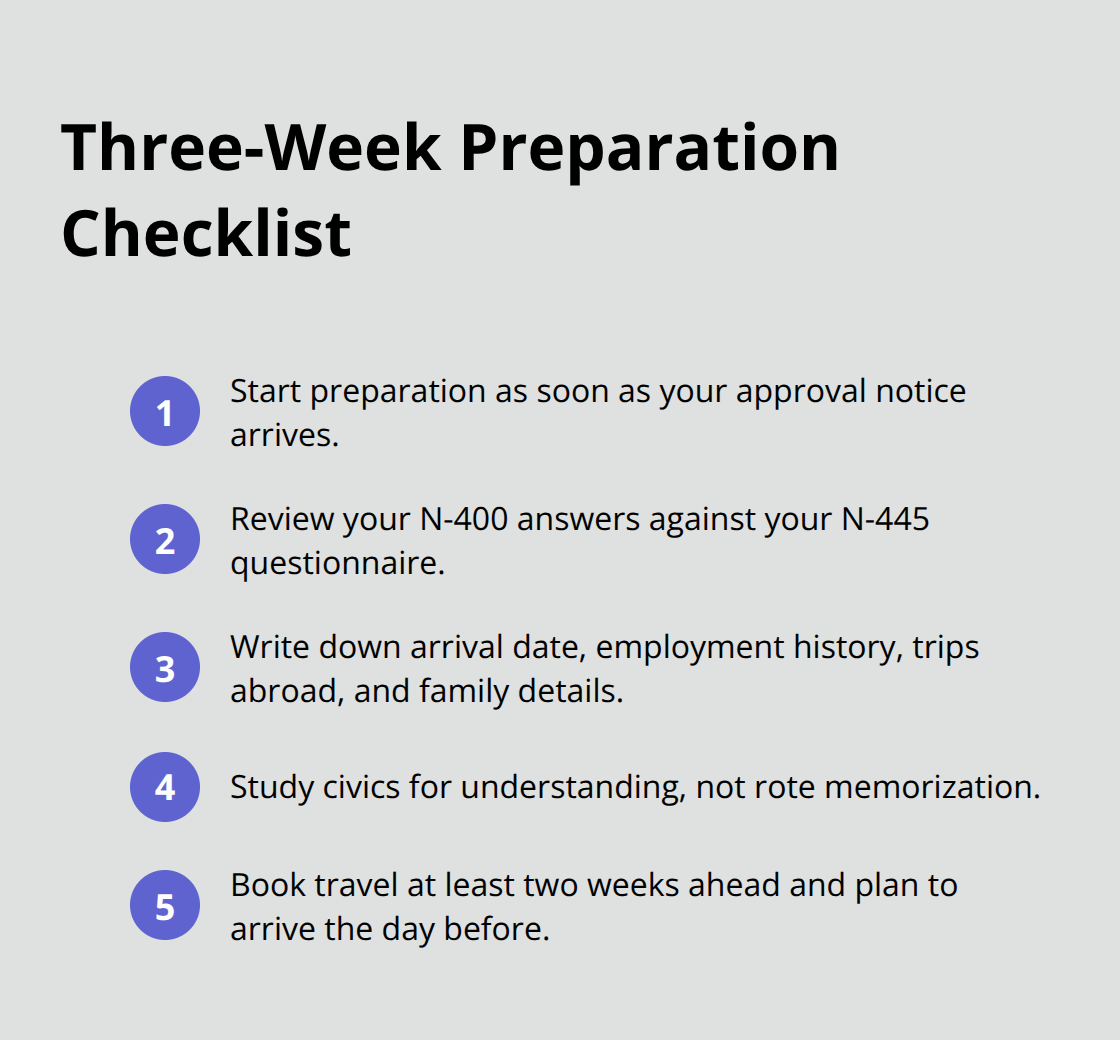
The three weeks between your approval notice and ceremony date move fast, so start your preparation immediately. Review every answer you provided on your N-400 Application for Naturalization line by line, because the USCIS officer at check-in will examine your N-445 questionnaire responses against what you originally submitted. Any inconsistencies can delay your ceremony or raise questions you’ll need to answer on the spot.
Organize Your Application Details
Write down the key facts from your application: your exact arrival date in the United States, your employment history, any trips outside the country, and family information. This task takes about 90 minutes but eliminates confusion when an officer asks about specific details. You’ll feel more confident when you can answer questions quickly and accurately without hesitation.
Study the Civics Material Strategically
The civics test questions require understanding, not memorization. Unless you qualify for an exemption, you will take a naturalization test which is made up of two components, an English and civics test. Focus on understanding the structure of U.S. government, the rights and responsibilities of citizens, and basic historical facts rather than rote answers. Many applicants report that understanding the why behind each answer helps them respond naturally during the actual ceremony. This approach transforms the test from an intimidating hurdle into a conversation about your new country.
Plan Your Travel and Logistics
Transportation logistics matter more than people expect. If you’re traveling from outside the area, book your travel at least two weeks in advance and plan to arrive the day before your ceremony. Judicial ceremonies are usually held in a courthouse in the Spokane, Yakima and Richland divisions, although offsite locations are occasionally used. Confirm your specific location on your N-445 letter and map out parking or public transit options. Arrive with your documents organized in a folder, separated by category: identification, travel records, and your appointment letter. This simple step reduces stress at security screening and check-in.
Prepare Your Guests and Final Details
Coordinate with anyone attending as your guest well before the ceremony date. Explain that guests arrive 30 minutes before the ceremony starts and that they will be separated from you during check-in. If you’re bringing family members who speak limited English, prepare them for the security screening process and the layout of the courthouse. Large groups should contact the court in advance to arrange adequate seating. The day before your ceremony, lay out your professional clothing, review the prohibited items list one more time to avoid delays at security, and get a good night of sleep. Your confidence at the ceremony comes directly from preparation, and these concrete steps replace anxiety with readiness. With your documents organized, your civics knowledge solid, and your logistics confirmed, you’re ready to focus on what matters most: presenting yourself professionally and taking the oath that transforms you into a U.S. citizen.
Dress Code and Etiquette Guidelines
Dress code matters at your naturalization ceremony because it signals respect for the significance of the moment. The Eastern District of Washington has guidance on appropriate courtroom conduct, and this exists for a reason: the ceremony is a solemn federal proceeding where you become a U.S. citizen. Most applicants wear business casual or formal attire, and this choice keeps the focus on the oath rather than your clothing.
Appropriate Clothing Choices
For men, dress pants with a button-up shirt, a blazer, or a suit work well. For women, professional dresses, skirts with blouses, or dress pants with appropriate tops convey respect. Avoid T-shirts with logos, sneakers, sandals, or sportswear entirely. If you’re concerned about budget, thrift stores and second-hand shops offer complete professional outfits for under $100, and borrowing from friends or family is also a practical option.
For hot weather in Eastern Washington summers, try lightweight materials like linen or cotton blends in neutral colors, but maintain a neat and presentable appearance. A subtle patriotic accessory such as a small flag lapel pin adds a personal touch without drawing attention away from the ceremony itself. Neutral colors and classic styles photograph well and convey respect, while loud logos or flashy jewelry distract from what matters: your moment of becoming a citizen.
Behavior During the Ceremony
Sit quietly during remarks from the federal judge, listen carefully to the instructions before reciting the Oath of Allegiance, and stand when directed. Participate fully in singing the national anthem and reciting the Pledge of Allegiance afterward. Cameras and photographs are welcome at naturalization ceremonies in the Eastern District of Washington, so guests can document the moment, but silence your phone and avoid talking during the program.
When voter registration volunteers approach you after taking the oath, give them your full attention and complete the forms accurately. The entire ceremony lasts 30 to 40 minutes, and your attentiveness during this brief time demonstrates the seriousness with which you approach your new citizenship.
Arrival and Check-In Protocol
Arrive dressed and ready 1 to 1.5 hours before the ceremony starts, and present your documents promptly at check-in. This preparation and professionalism, combined with appropriate clothing, creates the confidence you need to walk through that courthouse door and step out as a U.S. citizen. Security screening includes bag checks, X-ray scanning, and metal detectors (so wear comfortable shoes and plan to move through efficiently). Your attentiveness and professional presentation throughout the ceremony demonstrate respect for the federal proceeding and for your new status as a citizen.
Final Thoughts
Your naturalization ceremony marks the beginning of your life as a U.S. citizen. Confirm your ceremony location and time on your N-445 letter, organize all required documents in a folder, and lay out your professional clothing the night before. Arrive 1 to 1.5 hours early with your government-issued photo ID, Permanent Resident Card, travel documents, and appointment letter-these naturalization ceremony tips transform nervous energy into focused preparation.
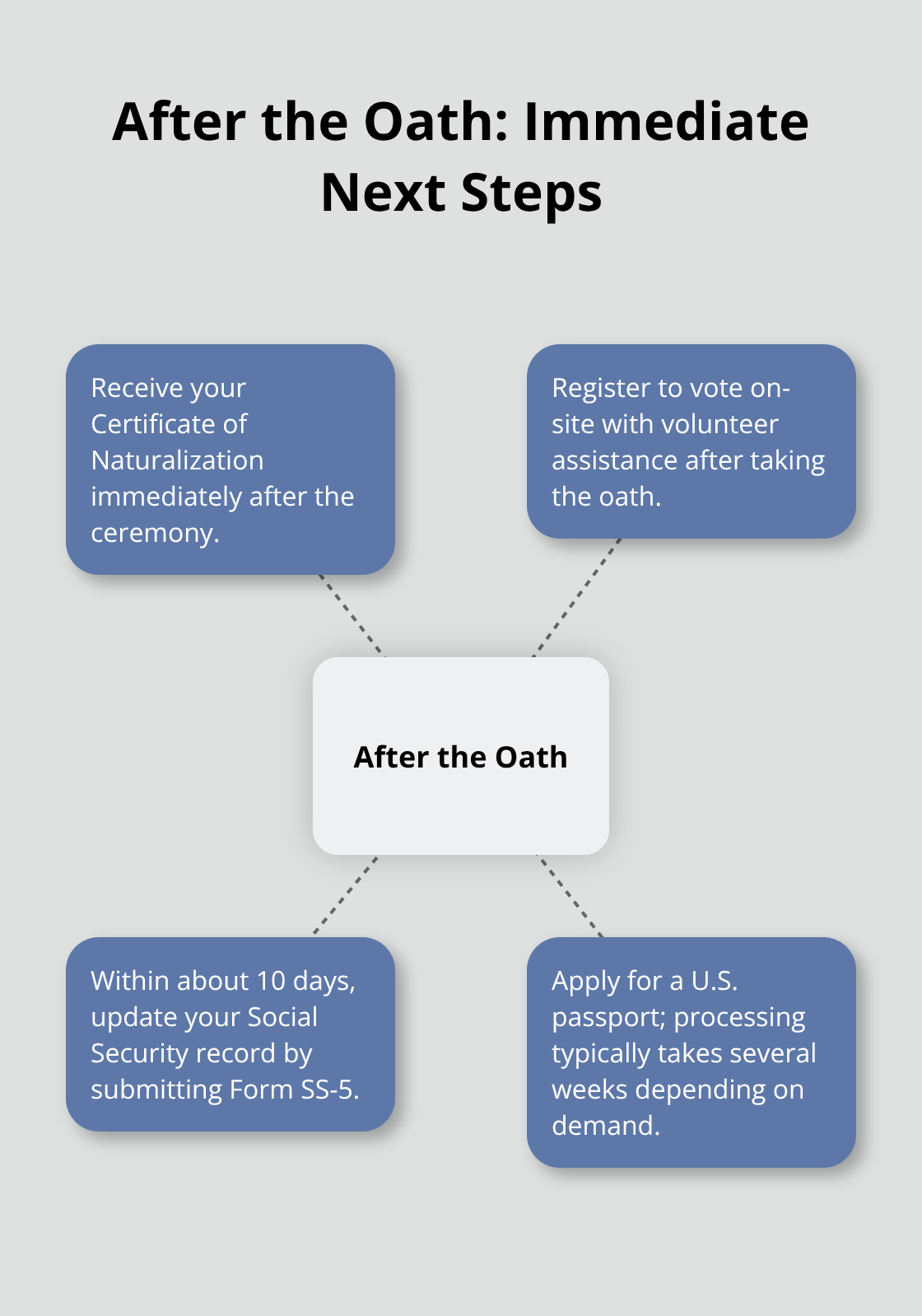
The moment you take the Oath of Allegiance, you officially become a U.S. citizen and receive your Certificate of Naturalization immediately after the oath. Voter registration volunteers assist you on-site to complete forms, and within about 10 days, contact the Social Security Administration and submit Form SS-5 to update your record with your new citizenship status. You can apply for a U.S. passport using the application provided at the ceremony, with processing typically taking several weeks depending on demand.
Your new citizenship opens doors to opportunities you’ve worked toward-you can now vote in federal, state, and local elections, apply for federal employment, sponsor family members for immigration benefits, and travel with a U.S. passport. If you face questions or complications during your naturalization process, Law Offices of Jeffrey A. Thompson specializes in immigration law and can guide you through every step. Your path to citizenship deserves expert support.
Share this post: