How to Prepare for Your VAWA Adjustment of Status Interview?
July 11, 2025
Preparing for a VAWA Adjustment of Status interview can be a daunting task. At Law Offices of Jeffrey A. Thompson, we understand the importance of this crucial step in your immigration journey.
This guide will walk you through the essential aspects of the interview process, from understanding its purpose to gathering necessary documents and presenting yourself confidently. Our goal is to help you feel prepared and empowered as you take this significant step towards securing your legal status in the United States.
What Happens in a VAWA Adjustment of Status Interview?
The Interview’s Purpose
The VAWA Adjustment of Status interview verifies the information in your application and assesses your eligibility. All adjustment of status applicants must be interviewed by an officer unless the interview is waived by USCIS.
Who You’ll Meet
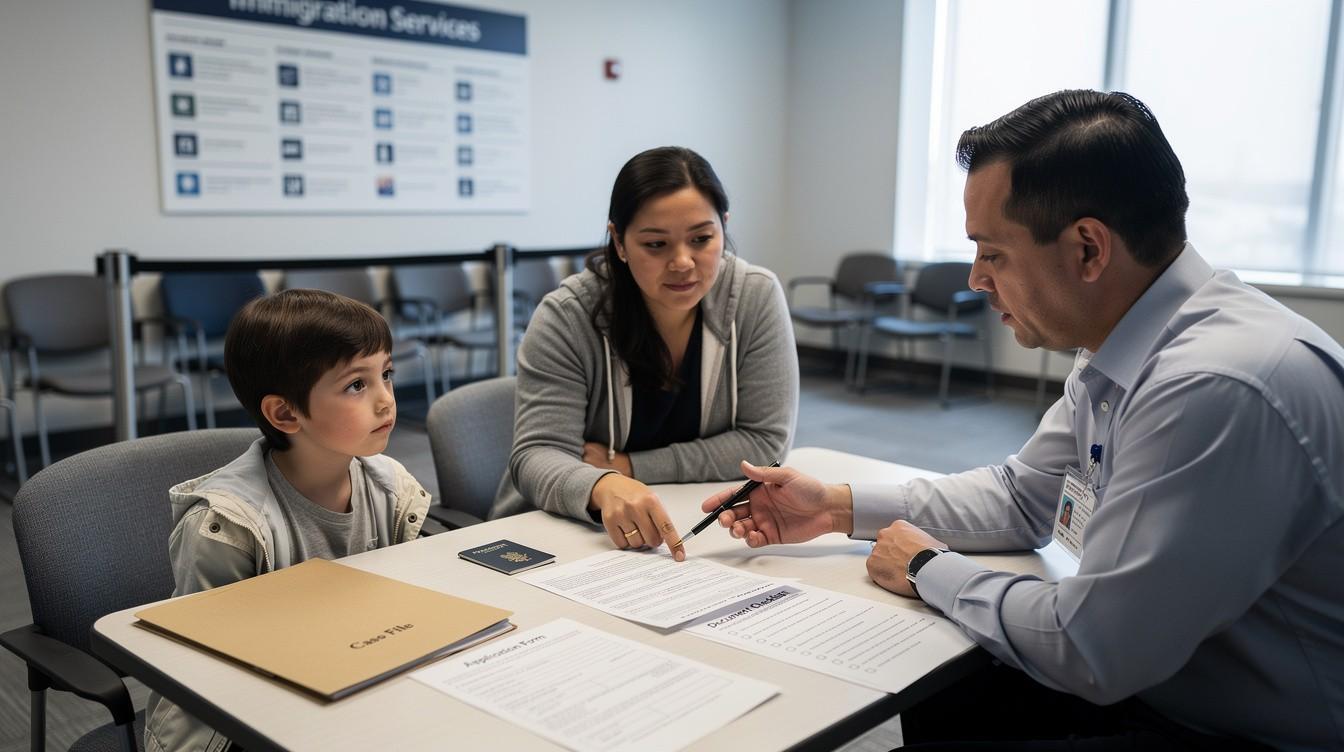
A USCIS officer conducts the interview. These officers receive training in VAWA cases and understand the sensitive nature of domestic violence situations. They strive to create a safe, non-threatening environment for you to share your experiences.
The Interview Process
The interview typically lasts about an hour. The officer will review your application and ask questions about your relationship with the abuser, the nature of the abuse, and your current circumstances. They may also inquire about your good moral character and continuous residence in the U.S.
Addressing Sensitive Topics
Prepare yourself to discuss difficult subjects. The officer might ask for specific details about incidents of abuse. While this can challenge you emotionally, it establishes your eligibility. Don’t hesitate to ask for a break during the interview if you need one.
Documentation Review
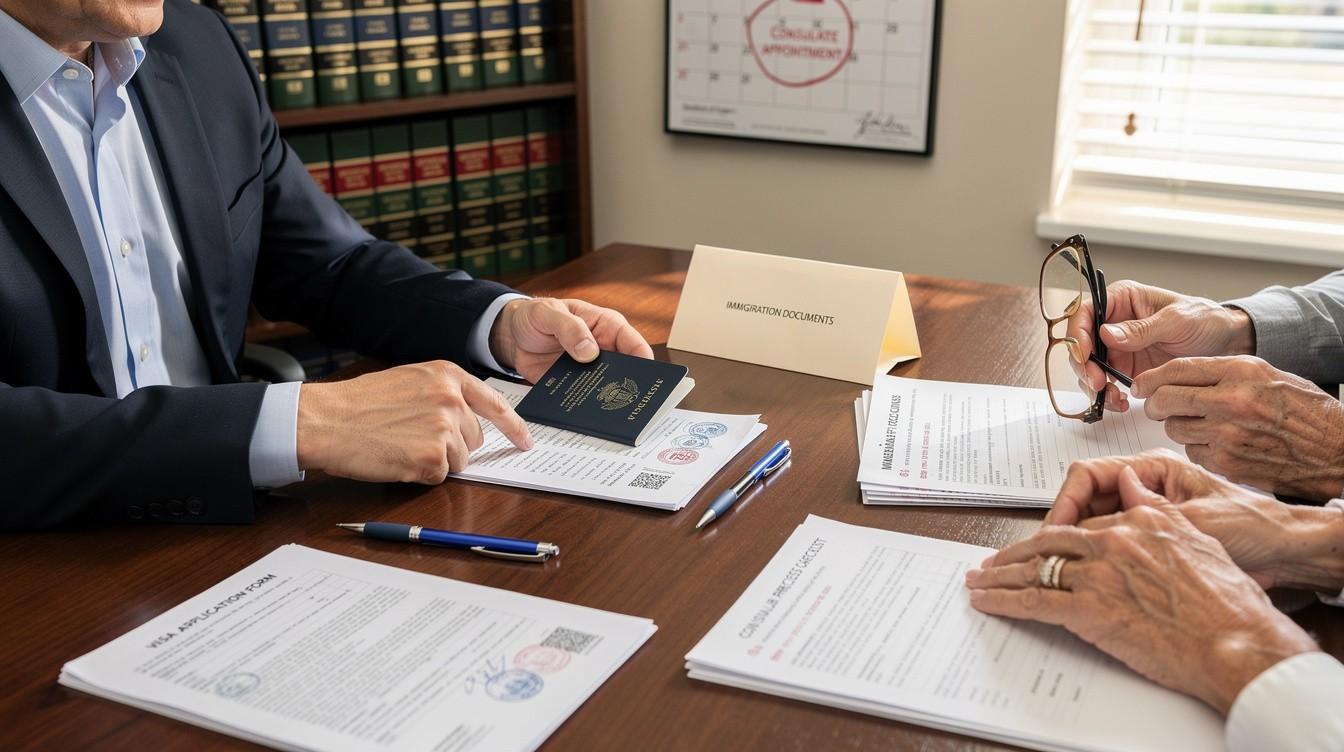
The officer will likely review the documents you’ve submitted with your application. They may ask for clarification or additional information about certain pieces of evidence. Having copies of all your submitted documents can help you reference them quickly during the interview.

This interview presents your opportunity to present your case clearly and convincingly. Thorough preparation can significantly increase your chances of a positive outcome. (It’s natural to feel nervous, but remember that the USCIS officer’s goal is to understand your situation fully.)
As we move forward, let’s explore the essential documents you should bring to your VAWA Adjustment of Status interview. These documents will support your case and provide the necessary evidence for the USCIS officer to make an informed decision.
What Documents Do You Need for Your VAWA Interview?
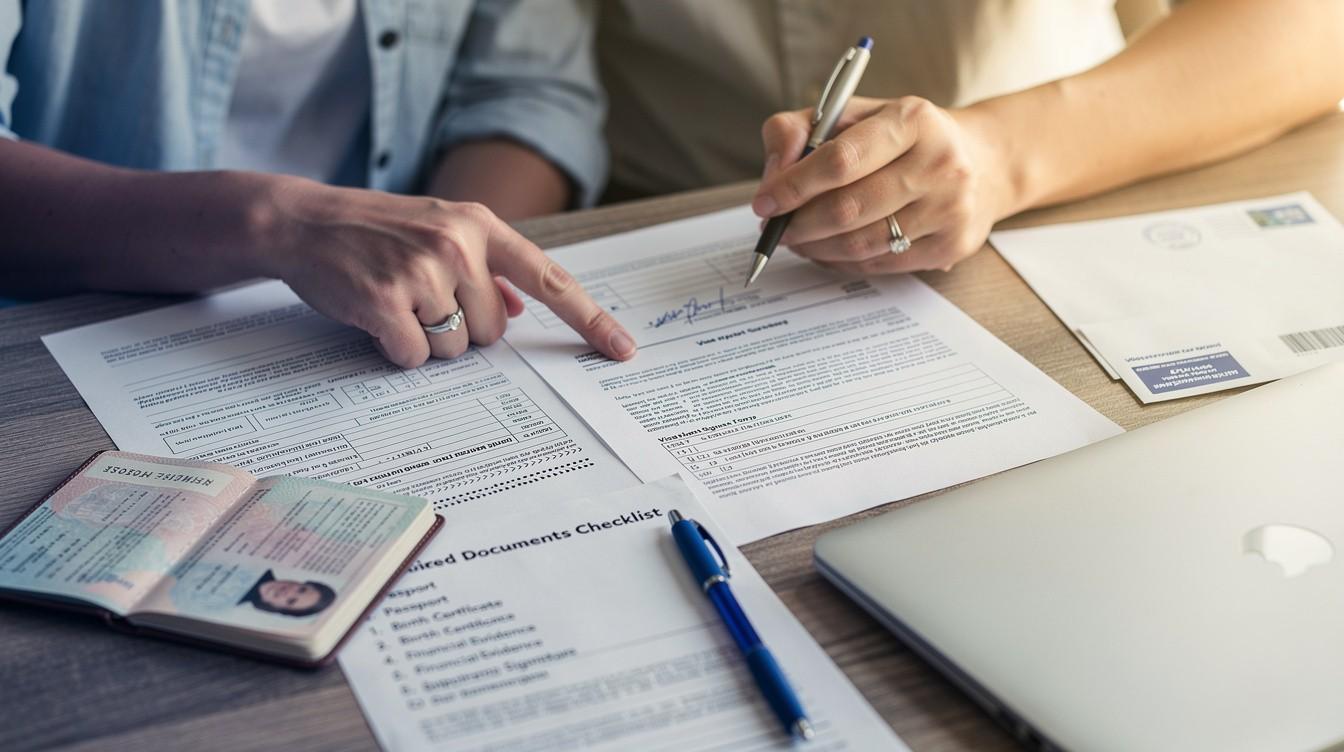
Preparing for your VAWA Adjustment of Status interview requires specific documents to support your case. Here’s a comprehensive list of what you need to bring:
Proof of Identity and Immigration Status
Start with your government-issued photo ID, such as a passport or driver’s license. Include your birth certificate and any previous immigration documents (like your I-94 arrival/departure record or prior visas). If you’ve changed your name, bring your marriage certificate or court order showing the name change.
Evidence of Abuse or Extreme Cruelty
This forms the cornerstone of your VAWA case. The family-based immigration process generally requires U.S. citizens and lawful permanent residents to file a petition for their alien relatives. Collect police reports, medical records documenting injuries, and any protective orders you’ve obtained. Photos of injuries, if available, can provide powerful evidence. Include any threatening messages or emails from your abuser. Psychological evaluations or therapy records can also demonstrate the emotional impact of the abuse.
Financial Documents and Tax Returns
Bring your tax returns for the past three years, along with W-2 forms or 1099s. Include recent pay stubs and bank statements. If you have joint accounts or shared bills with your abuser, these can help prove the relationship. (Be prepared to explain any financial support you received from the abuser or others during this time.)
Supporting Affidavits and Witness Statements
Collect statements from friends, family members, or professionals who can attest to your relationship with the abuser and the abuse you experienced. These should contain detailed and specific descriptions of incidents they witnessed or your disclosures to them. Include statements from domestic violence advocates or shelter workers if you sought their help.
Organization is Key
Create a binder with clearly labeled sections for each category of documents. This will help you quickly reference information during the interview. (Make copies of everything – keep the originals for yourself and provide copies to USCIS.)

Now that you’ve gathered all necessary documents, let’s move on to preparing for the interview itself. The next section will provide valuable tips to help you navigate this important step with confidence and composure.
How Can You Ace Your VAWA Interview?
Your VAWA Adjustment of Status interview requires careful preparation and the right mindset. Here are top tips to help you succeed:

Arrive Early and Dress Professionally
Be punctual and presentable for your interview. Dress appropriately in business casual attire to convey respect for the process. This buffer allows for unexpected delays and gives you time to compose yourself. Your appearance sends a message about how seriously you take this process.
Be Honest and Consistent
USCIS officers have training to detect inconsistencies. Always tell the truth, even if you think it might hurt your case. If you don’t remember something, it’s okay to say so. (Fabricating details can severely damage your credibility and jeopardize your application.)
Use Language Assistance if Needed
If English isn’t your first language, request an interpreter. USCIS will not grant requests to use an interpreter less than 14 years of age or to allow attorneys or accredited representatives to act as both interpreter and legal representative. Clear communication is essential, so don’t let language barriers hinder your ability to express yourself accurately.
Stay Calm and Composed
The interview can challenge you emotionally, especially when discussing abuse. Take deep breaths if you feel overwhelmed. It’s okay to pause before answering questions. If you need a break, politely ask the officer. They understand the sensitive nature of VAWA cases and should accommodate reasonable requests.
Provide Clear and Concise Answers
Focus on providing clear, concise answers that support your eligibility for VAWA relief. (Stick to the facts and avoid unnecessary details that might confuse the officer or detract from your main points.) This interview reinforces the information in your application, so make every answer count.
Final Thoughts
Preparing for your VAWA adjustment of status interview requires careful planning and attention to detail. You must understand the interview process, gather essential documents, and follow our tips for success to present your case effectively. Your honesty and consistency will play a key role in establishing your credibility during the interview.
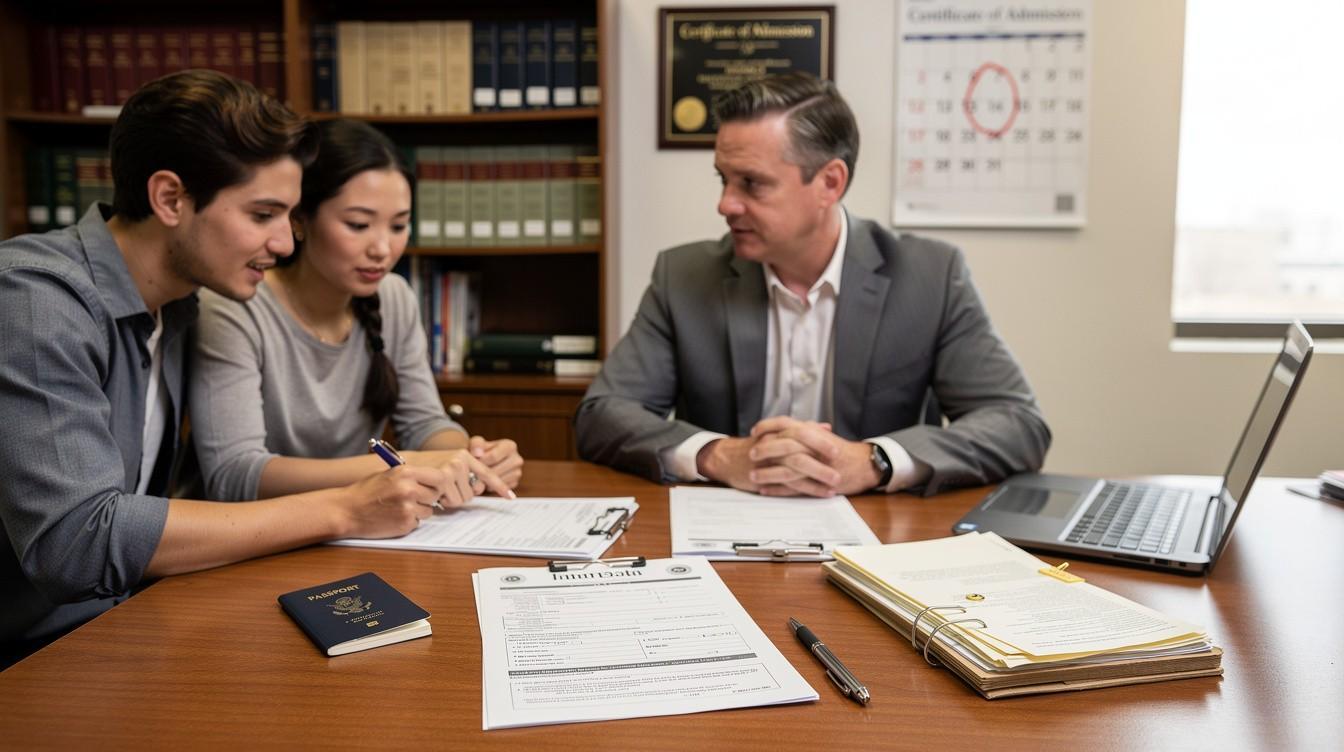
The complexities of immigration law can challenge you, especially when you deal with sensitive situations like domestic abuse. We at Law Offices of Jeffrey A. Thompson specialize in immigration law and can guide you through every step of the process. Our compassionate team can help you prepare your application and represent you during the interview.
Your bravery in seeking safety and a better life deserves commendation. The VAWA adjustment of status interview may seem daunting, but you can overcome this challenge with proper preparation and support. (Our dedicated attorneys stand ready to support you, answer your questions, and advocate for your rights throughout this important step towards securing your future in the United States.)
Share this post: