Spousal Sponsorship Timeline: From Petition to Green Card
October 26, 2026
Spousal sponsorship involves multiple steps, government agencies, and months of waiting. The spousal sponsorship timeline can stretch anywhere from 18 months to several years depending on your circumstances.
At Law Offices of Jeffrey A. Thompson, we help couples navigate this complex process with clarity. This guide breaks down each phase so you know what to expect and when.
Starting Your Spousal Sponsorship Petition
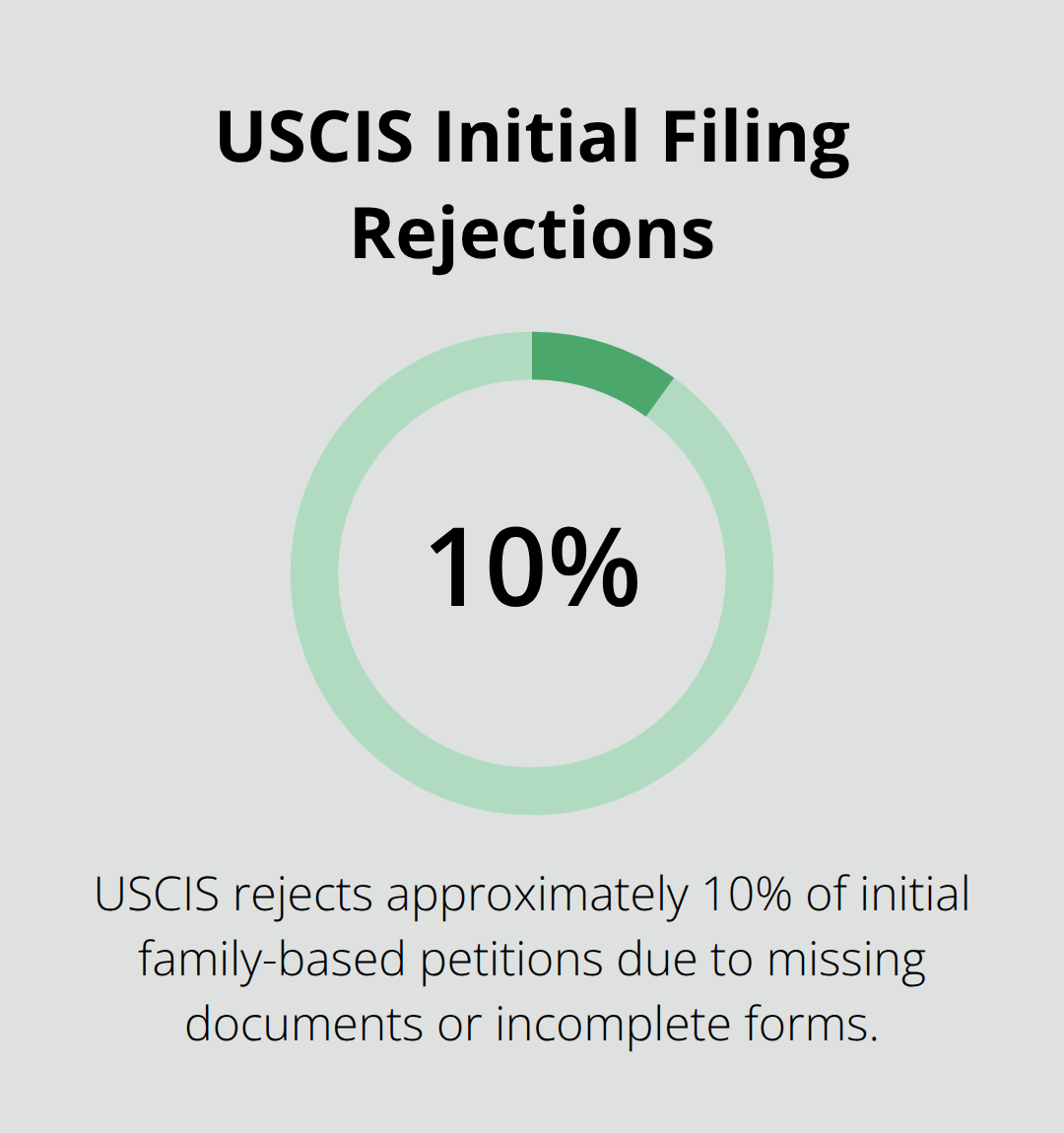
The initial petition stage moves faster than most people expect, but only if you submit everything correctly the first time. USCIS receives roughly 2 million family-based petitions annually, and they reject approximately 10% of initial filings due to missing documents or incomplete forms. A single error costs you months in processing time.
The I-130 Petition for Alien Relative forms the foundation of your entire case, and getting it right matters more than rushing it.
Gathering Your Documentation Package
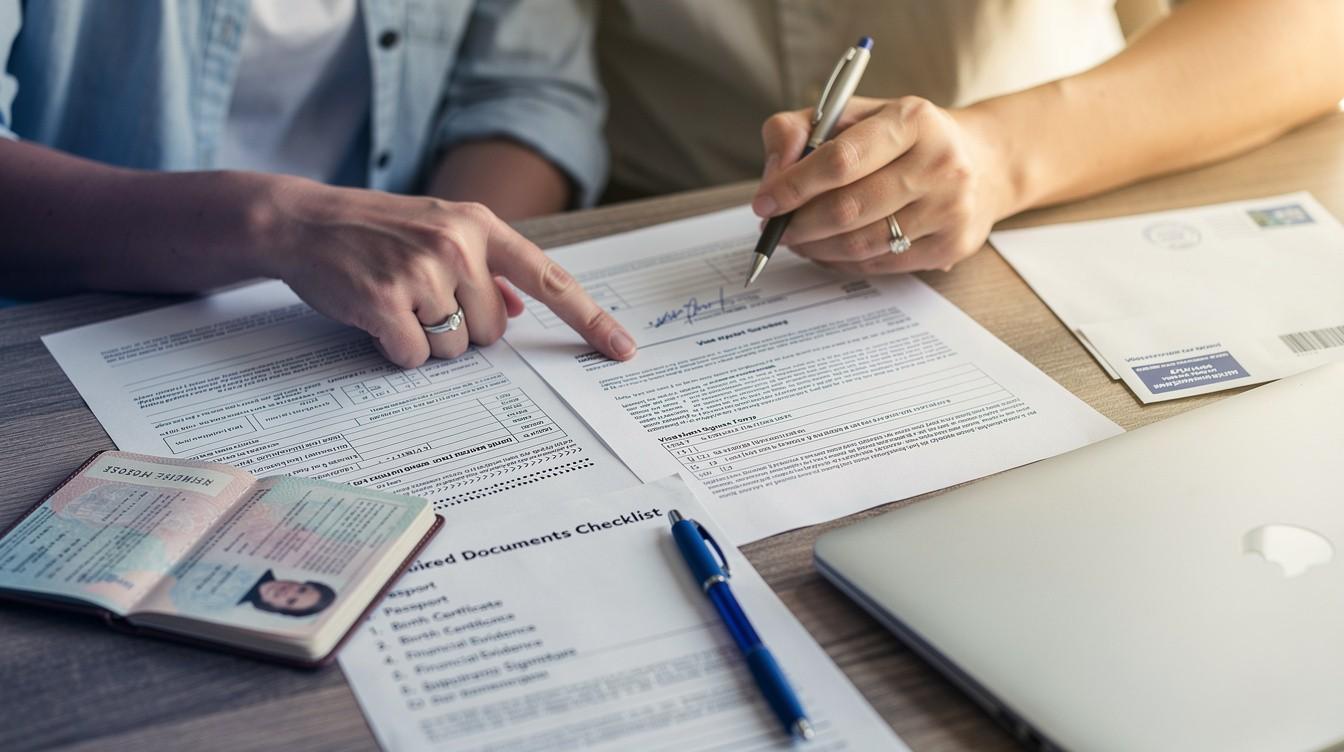
You’ll need to gather birth certificates, marriage licenses, divorce decrees if applicable, police clearances, and medical records before you even touch the application. The USCIS form I-130 itself is straightforward, but the supporting documentation package determines whether your petition sails through initial review or gets flagged for a Request for Evidence. Most delays stem not from USCIS processing speed but from applicants submitting incomplete packets. Photograph all original documents, create organized digital copies, and maintain a spreadsheet tracking every single form and document you submit.
What USCIS Officers Examine First
USCIS officers spend approximately 15 minutes on initial review of spousal sponsorship cases. They verify three core elements: your legal marriage, your spouse’s identity, and your ability to support them financially. The I-864 Affidavit of Support requires your tax returns from the past two years, W-2 forms, and proof of current income. If your income falls below the federal poverty guidelines, USCIS will request additional documentation or ask you to find a joint sponsor.
Financial Requirements and Processing Fees
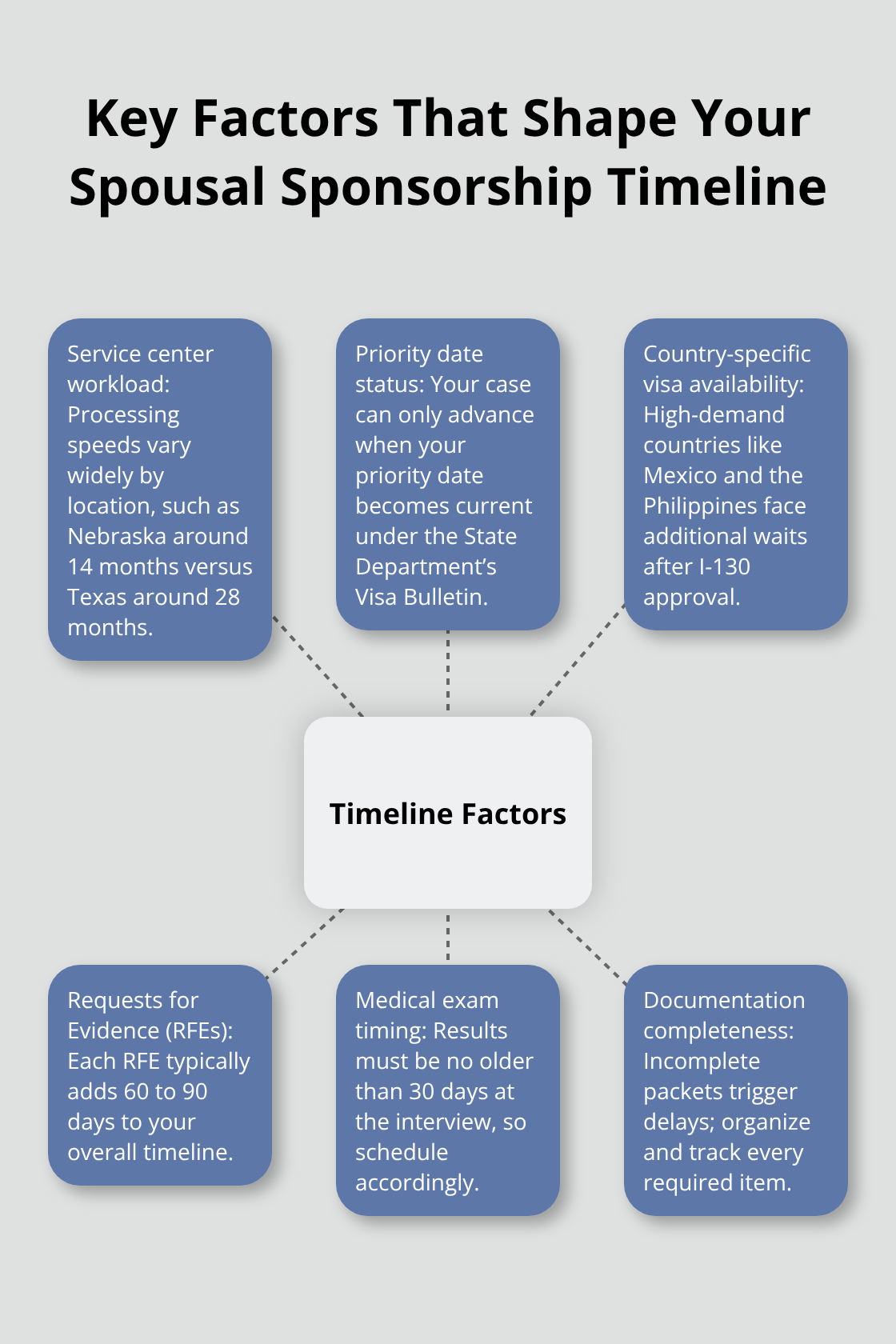
A Request for Evidence typically adds 60 to 90 days to your timeline. The medical examination through a USCIS-designated civil surgeon happens after your petition clears initial review, not before. Filing fees for the I-130 currently total $435, with additional fees for biometric services and the I-485 application when you reach that stage. Many couples make the mistake of assuming they should file everything simultaneously, but the I-130 must receive approval before your spouse can move forward with adjustment of status or consular processing.
Once your petition clears initial review and USCIS verifies your financial capacity, the next phase begins-the medical examination and consular interview that will determine your spouse’s admissibility to the United States.
What Happens During the Medical Exam and Consular Interview
The Medical Examination Process
After your I-130 petition clears initial review, your spouse moves into the medical examination phase through a USCIS-designated civil surgeon rather than your personal doctor. The civil surgeon follows a specific protocol outlined in the USCIS Medical Examination Form I-693, checking for communicable diseases of public health significance, mental health conditions, and physical disabilities that might affect admissibility. Your spouse should bring vaccination records, prescription medications, and a list of any previous surgeries or hospitalizations to this appointment.
The examination typically costs between $300 and $600 and must be completed within 30 days of the consular interview date. Many couples schedule this exam too early, thinking it speeds things up-but USCIS requires the medical results to be no older than 30 days when your spouse arrives for the consular interview. If your spouse has any health conditions requiring treatment, address them before the exam, not after, since requesting waivers adds months to your timeline.
Preparing for the Consular Interview
The consular interview is where USCIS or State Department officials verify that your marriage is genuine and that your spouse meets admissibility requirements. The consular officer will ask detailed questions about your relationship, living arrangements, and how you met-questions designed to uncover fraudulent marriages. Prepare your spouse with specific details about your shared life, not vague generalities.
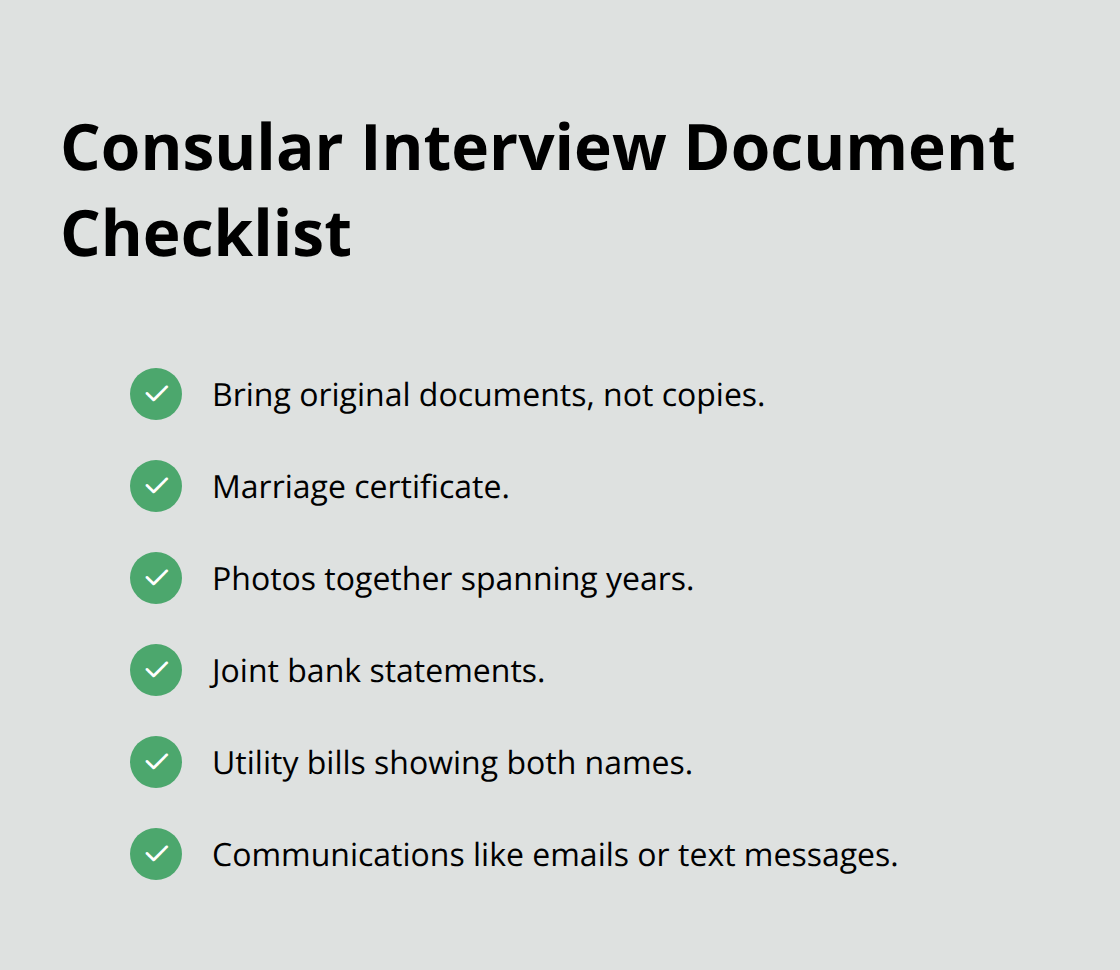
Bring original documents to the interview including your marriage certificate, photos together spanning years, joint bank statements, utility bills showing both names, and communications like emails or text messages. According to the State Department, consular interviews for spousal sponsorship typically last 20 to 45 minutes. The officer will scrutinize your documentation carefully, so organize everything chronologically and clearly.
Green Card Status After Approval
After approval, your spouse receives either a conditional green card valid for two years if you’ve been married less than two years, or a permanent green card valid for ten years. Conditional status requires filing Form I-751 during the 90-day period immediately before your conditional residence expires to remove conditions-a step many couples overlook until it’s nearly too late.
The difference between conditional and permanent status matters significantly for your spouse’s rights and your obligations. Those with conditional cards must file the removal petition jointly with their sponsor (you), while permanent cardholders have more independence. Missing the I-751 deadline results in automatic deportation proceedings, so mark your calendar well in advance.
What Comes Next in Your Timeline
Once your spouse receives their green card-whether conditional or permanent-the focus shifts to understanding processing times and the factors that control your overall timeline. The medical exam and interview represent the final hurdles before your spouse can legally enter the United States, but several external factors still influence how quickly you reach that point.
Processing Times and Factors That Affect Your Timeline
Current USCIS Processing Delays and Backlogs
USCIS processing times for spousal sponsorship cases have deteriorated significantly over the past three years. As of October 2026, the agency reports an average of 18 to 24 months from I-130 petition filing to final approval, though this varies dramatically by service center location. The Nebraska Service Center processes spousal cases in approximately 14 months, while the Texas Service Center averages 28 months for the same petition type. These aren’t theoretical estimates-they’re the official processing times USCIS publishes monthly on their case processing times tool.
The backlog isn’t temporary. USCIS received 2.1 million family-based petitions in 2025 alone, and staffing levels haven’t increased proportionally to handle the volume. Your timeline depends heavily on which service center receives your petition, and you have limited control over that assignment. The I-130 petition itself takes 8 to 14 months to process, meaning your spouse cannot begin the medical exam or consular interview until USCIS approves your initial petition.
Many couples underestimate this waiting period and become frustrated when months pass without visible progress. Understand upfront that approval of the I-130 is not approval of your spouse’s immigration status-it’s merely the first checkpoint in a much longer journey.
How Priority Dates Impact Your Case
Your priority date determines your exact position in the visa queue, and this concept confuses most applicants because it operates differently than standard first-come-first-served processing. For spousal sponsorship cases, the priority date is the date USCIS receives your I-130 petition, and this date controls when your spouse becomes eligible for consular processing or adjustment of status.
The State Department’s Visa Bulletin, published monthly, shows which priority dates are currently available for visa processing in each country. If your priority date becomes current-meaning it falls within the range listed in the bulletin-your spouse can proceed to the medical exam and interview. If your priority date is not yet current, your case remains in queue regardless of how long you’ve been waiting.
For most spousal sponsorship cases from countries with no visa backlogs, the priority date becomes current almost immediately after I-130 approval. However, nationals from Mexico and the Philippines face significant visa backlogs. A Mexican national filing today might wait an additional 6 to 12 months after I-130 approval before their priority date becomes current, even if the petition itself approves quickly.
The Visa Bulletin updated on October 15, 2026 shows priority dates for spousal cases advancing steadily, but advancement rates vary. Check the bulletin every month on the State Department website because missing when your priority date becomes current could delay your spouse’s interview by another month.
Country-Specific Visa Availability and Visa Bulletin Updates
Country-specific visa availability creates the most unpredictable delays in spousal sponsorship cases. Nationals from countries with high immigration demand face longer waits than applicants from countries with lower demand. This isn’t about fairness-it’s about visa number allocation. Congress limits the number of family-based green cards issued annually, and those numbers distribute across all countries.
A spouse from Canada or the United Kingdom typically becomes visa-current within weeks of I-130 approval, while a spouse from Mexico, Philippines, or India may wait months or years after petition approval before they can move to the next phase. The visa allocation system operates on a first-come-first-served basis within each preference category, but the supply of available visas differs dramatically by country.
Understanding your spouse’s country of birth is essential because it directly impacts your realistic timeline. If your spouse was born in Mexico, plan for additional waiting time beyond the standard I-130 processing period. If your spouse was born in most other countries, expect the interview to happen relatively quickly after I-130 approval.
Final Thoughts
The spousal sponsorship timeline stretches from 18 months to several years depending on your service center location and your spouse’s country of birth. A spouse from Canada typically receives their green card within 20 months total, while a spouse from Mexico may wait 30 months or longer due to visa backlogs. Plan for 24 months minimum from filing to green card in hand, and check the State Department’s Visa Bulletin monthly to track when your priority date becomes current.
Incomplete documentation at any stage adds 60 to 90 days to your timeline, so organize your paperwork meticulously from day one. The I-751 removal of conditions petition requires filing within 90 days before your conditional card expires-missing this deadline triggers automatic deportation proceedings. Realistic expectations about your spousal sponsorship timeline help you prepare mentally and logistically for your spouse’s arrival rather than hoping for an optimistic outcome.
We at Law Offices of Jeffrey A. Thompson guide couples through every phase of spousal sponsorship, handling the paperwork and overcoming legal hurdles so you can focus on preparing for your spouse’s arrival. Contact us to discuss your specific situation and timeline.
Share this post: