Child Immigration Process: A Clear Path From Start To Citizenship
June 26, 2026
Bringing a child into the United States through immigration involves multiple steps, strict timelines, and specific documentation requirements. The child immigration process can feel overwhelming without proper guidance, but understanding each phase makes it manageable.
At Law Offices of Jeffrey A. Thompson, we help families navigate eligibility requirements, prepare applications, and overcome obstacles that arise during the journey. This guide breaks down what you need to know to move forward confidently.
Understanding Child Immigration Eligibility
Who Qualifies as a Child for Immigration Purposes
The definition of a child in U.S. immigration law differs from what you might expect. According to USCIS, a child generally must be under the age of 18 and unmarried to acquire citizenship after birth. This matters because it determines which visa categories apply to your situation and how quickly the process moves. If your child turns 18 or older, they fall into a different category entirely, which affects sponsorship options, wait times, and eligibility pathways.
The immediate relative category moves faster than family preference categories, so age is not just a technicality-it determines your timeline. Immediate relatives of U.S. citizens, which includes children adopted abroad, can immigrate without quota restrictions. In fiscal year 2024, over 818,500 people naturalized in the United States, with a significant portion arriving through family-based pathways. The largest naturalization centers were Houston, Dallas, Chicago, Newark, and San Francisco, showing where families typically settle after arriving. This matters to you because it indicates established communities and support networks in these areas.
Gathering the Right Documentation
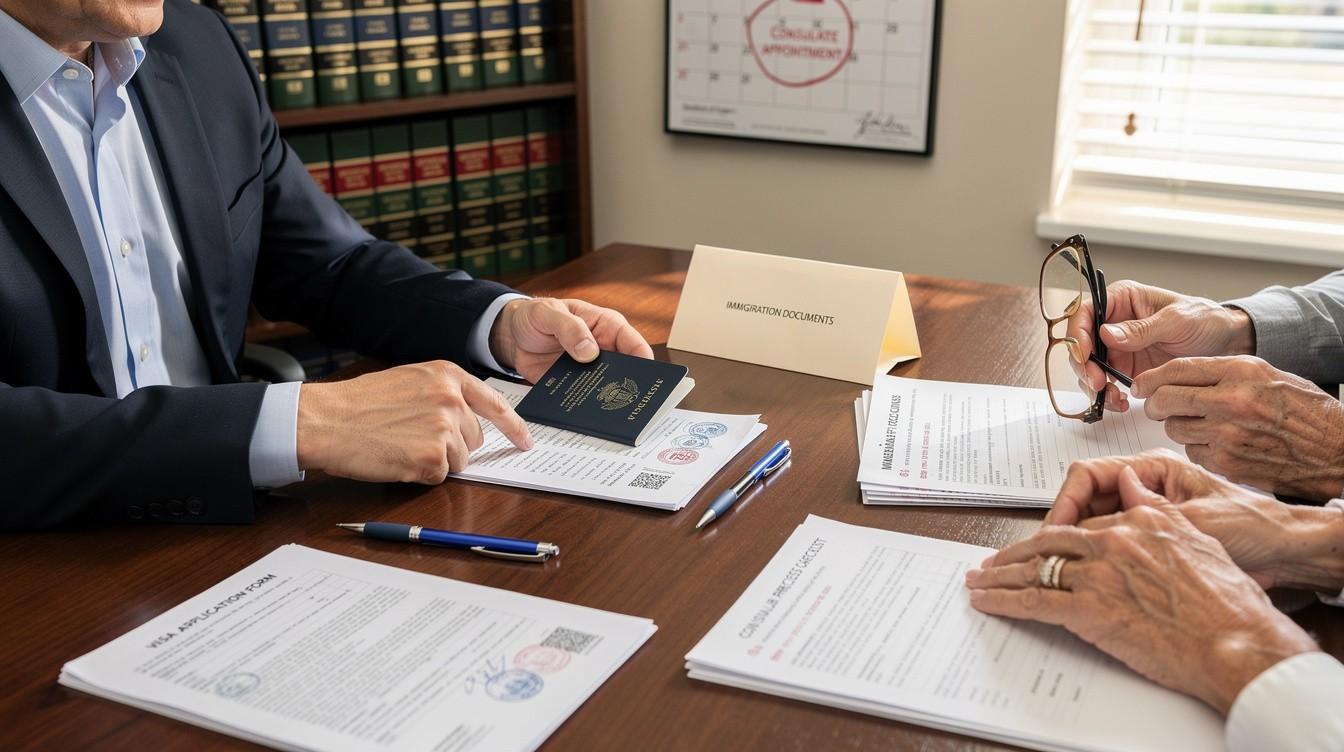
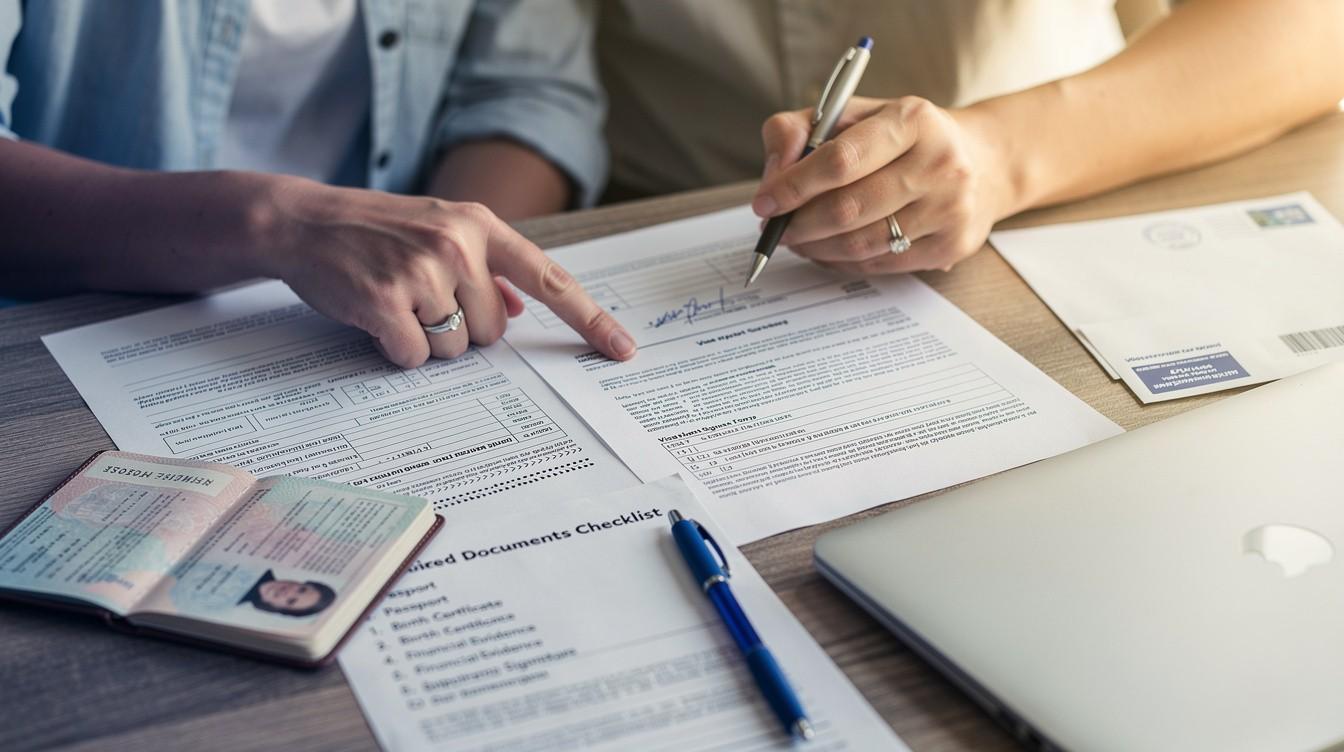
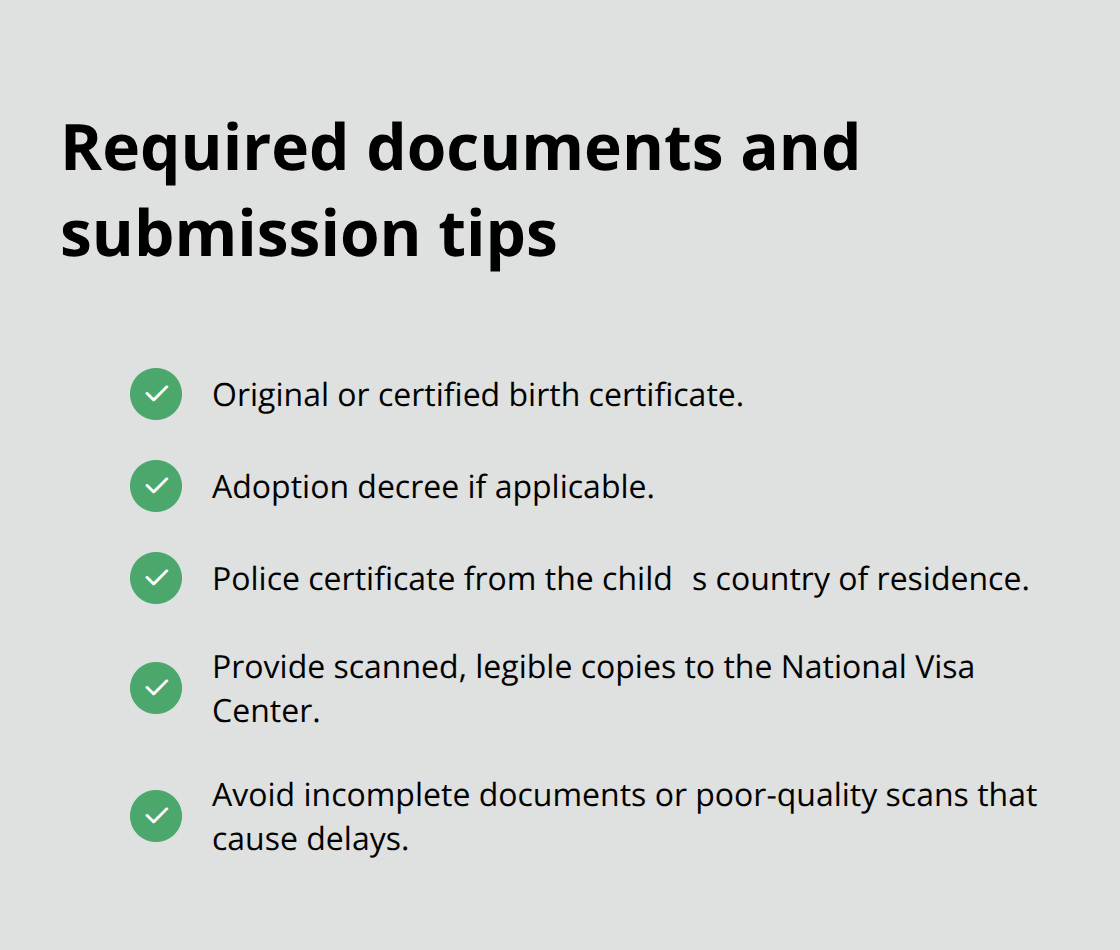
Documentation forms the foundation of your child’s case. You need an original or certified birth certificate, adoption decree if applicable, and a police certificate from your child’s country of residence. The National Visa Center requires these documents in scanned, legible format before your child’s visa interview. Many families submit incomplete documents or poor-quality scans that get rejected, which delays the entire process.
USCIS data from 2024 shows that about 25% of service provider clients missed interviews because notices arrived at wrong addresses or only went to attorneys. This means you must keep your address current with USCIS and receive all correspondence directly. Your sponsoring parent must file Form I-130, the Petition for Alien Relative, either electronically or by mail to the USCIS Chicago Lockbox if filing within the United States.
The Form I-864 demonstrates your financial ability to support your child. You’ll need recent tax returns, pay stubs, and bank statements to prove income. If your income falls short, you can add a co-sponsor, though this requires additional documentation and creates legal obligations for that sponsor.
Sponsorship Timelines and What They Mean
The family-based sponsorship pathway is the most common route for child immigration. However, timelines vary significantly depending on your immigration category and country of birth. According to USCIS data, the median time as a lawful permanent resident before naturalization differs by origin country-for example, individuals from Mexico averaged 10.9 years, while those from Nigeria averaged 5.4 years. This reflects processing backlogs and visa availability, not the quality of your case.
The immediate relative pathway bypasses numerical limitations, meaning your petition doesn’t compete against quotas. After USCIS approves your I-130 petition, the case moves to the National Visa Center for consular processing. You’ll pay immigrant visa fees, submit the Affidavit of Support with financial documents, and complete the online visa application, Form DS-260. Your child then attends a visa interview at the U.S. embassy or consulate in their country of residence.
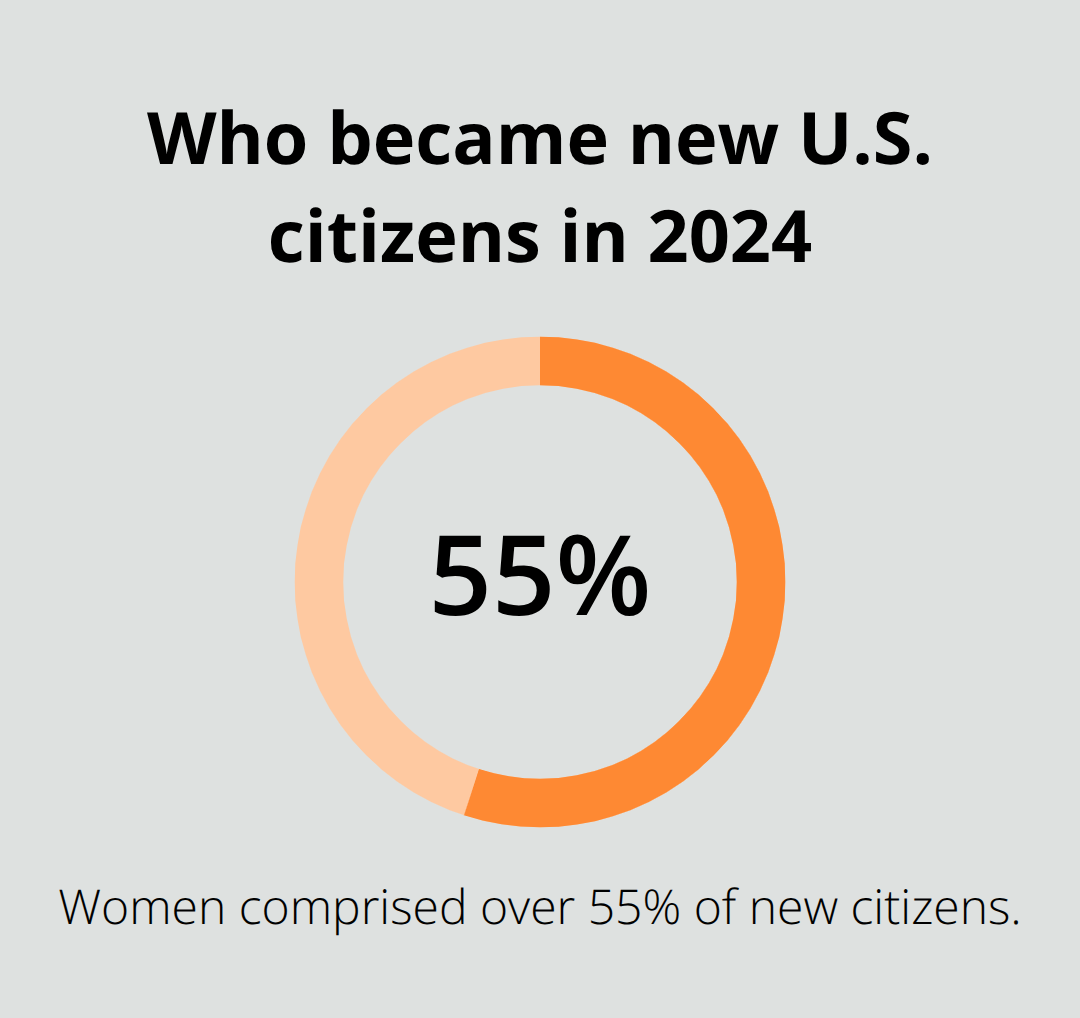
A consular officer determines eligibility and issues the visa if approved. In 2024, women comprised over 55% of new citizens, and the median age of naturalized individuals was 42, indicating that family reunification spans various life stages. The path from petition approval to visa issuance typically takes months, not weeks, so plan accordingly and avoid delays by submitting complete, accurate documentation from the start.
Once your child receives their visa and enters the United States, the next phase of the process begins-the medical examinations and background checks that precede the formal interview.
The Child Immigration Application Process
Filing Your I-130 Petition with USCIS
Precision with timing and documentation determines how quickly your case moves forward. After you gather birth certificates, adoption decrees, and police certificates, you file Form I-130 with USCIS. If you file within the United States, send it to the USCIS Chicago Lockbox. USCIS must approve this petition before your case advances to the National Visa Center.
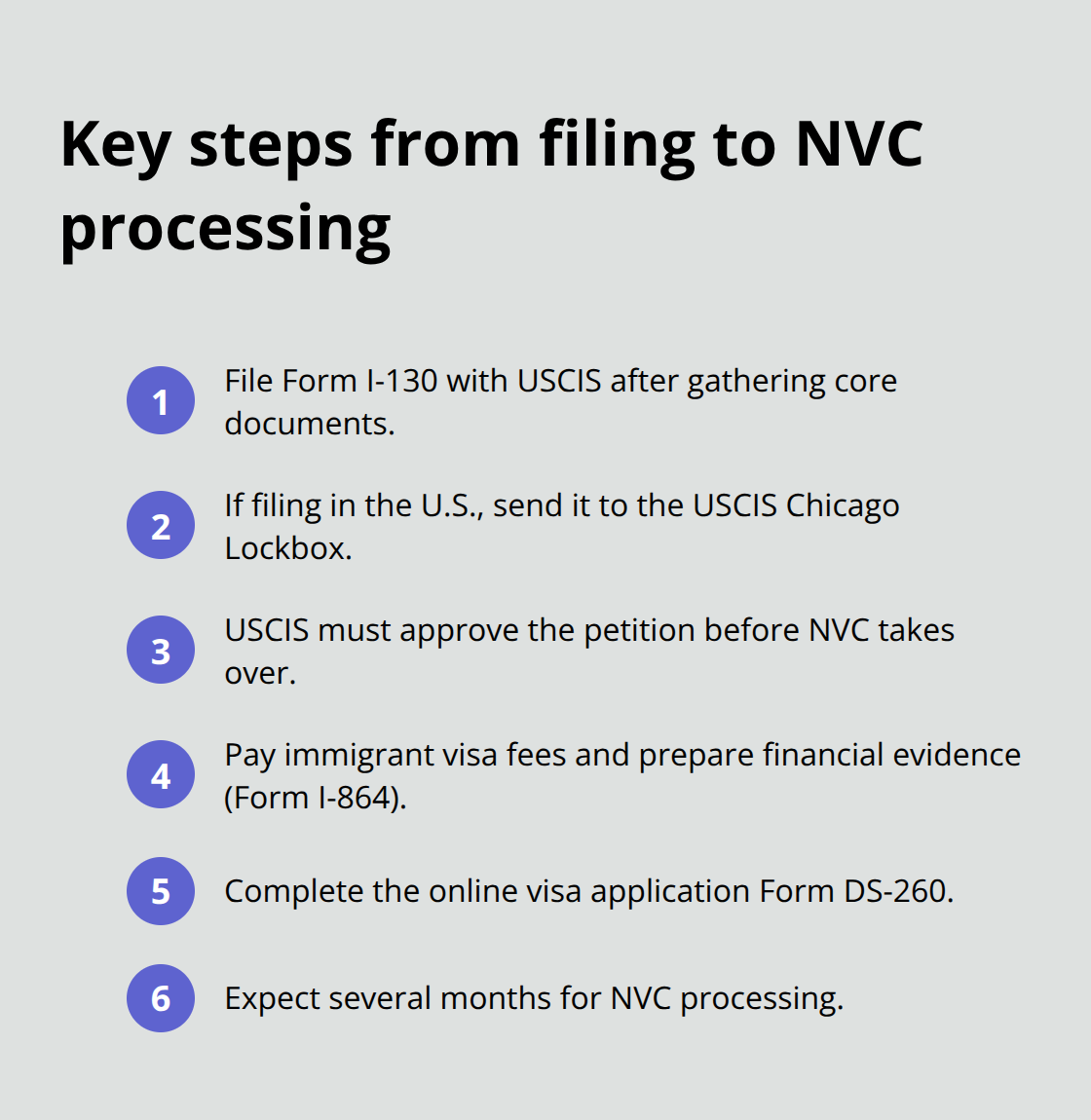
Once approved, you pay immigrant visa fees at NVC, submit Form I-864 with recent tax returns and pay stubs that prove your ability to support your child, and complete the online visa application Form DS-260. The National Visa Center processes thousands of cases, so expect this phase to take several months.
Keeping Your Address Current Throughout Processing
USCIS data shows that about 25% of clients missed interviews because notices went to wrong addresses or only reached attorneys. You must keep your mailing address current with USCIS and receive all correspondence directly. A single missed notice can delay your entire case by weeks or months. Update your address immediately if you move, and confirm that USCIS has your correct information before submitting your petition.
Medical Examinations and Background Checks
Your child must undergo a civil surgeon examination approved by USCIS before the visa interview. This examination includes vaccinations, chest X-rays if applicable, and a medical history review. The examination costs money and takes time to schedule, so contact civil surgeons early in your process. Background checks run simultaneously through law enforcement and security databases. Neither examination should surprise you-they are standard requirements for all immigrant visa applicants.
Preparing Your Child for the Visa Interview
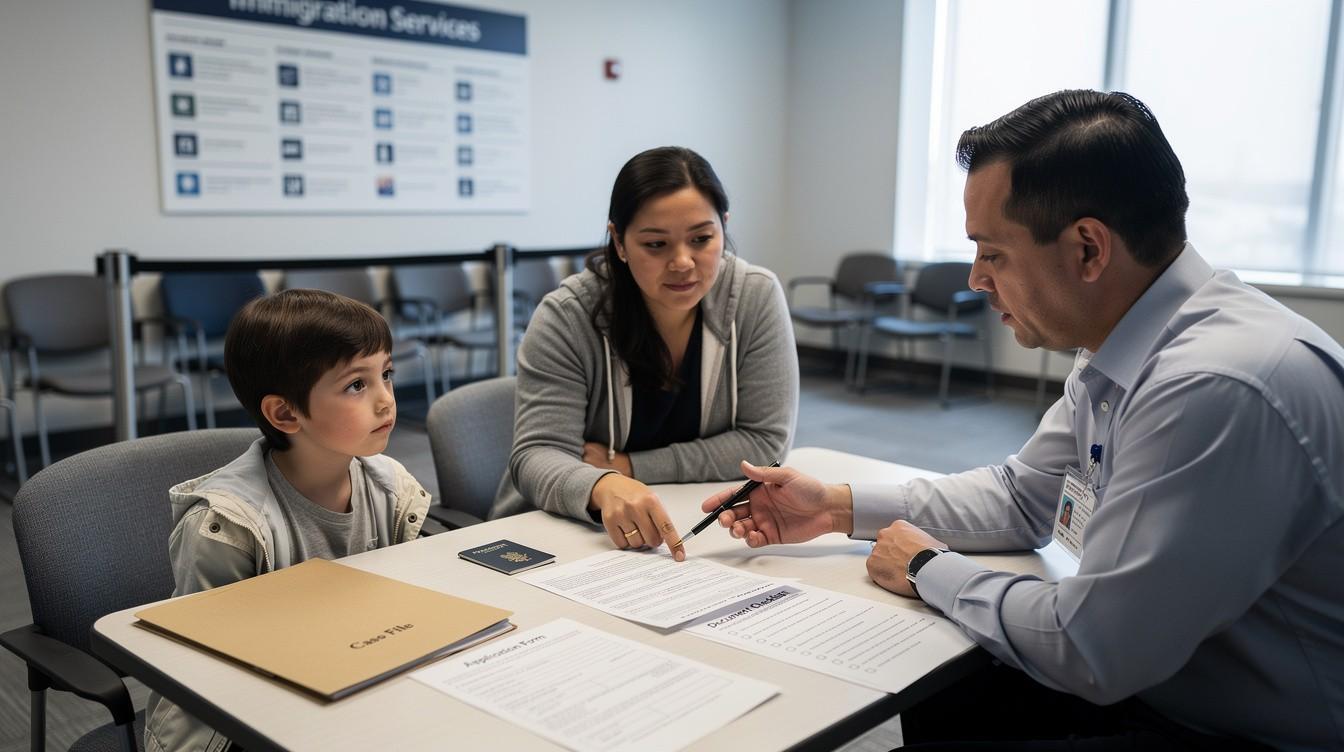
You prepare your child for the visa interview by reviewing common questions about family relationships, schooling, and intentions to immigrate. Bring all original documents to the interview, not copies. The consular officer will ask straightforward questions designed to verify your relationship and eligibility. Children under 14 often have shorter interviews than teenagers. If the officer approves your child’s visa, they place it in the passport that day. Your child can then travel to the United States within six months of visa issuance.
What Happens After Your Child Arrives
Once your child arrives at a U.S. port of entry, they officially become a lawful permanent resident. At this point, your family faces new considerations-your child may encounter barriers related to health, background, or other factors that affect their path forward. Understanding how to address these obstacles before they arise strengthens your case significantly.
Overcoming Common Immigration Barriers for Children
Health Issues That Affect Visa Approval
Health conditions can block a child’s visa approval, but treatment and proper documentation resolve most obstacles. Tuberculosis requires mandatory chest X-rays and potential treatment before immigration proceeds. Mental health conditions, developmental delays, or vaccination record gaps create additional scrutiny during the medical examination. Service providers have observed increased requests for additional evidence, especially around residency, presence, and family-related details. This trend means your child’s medical file must be complete and well-documented before the visa interview.
Civil surgeons designated by USCIS conduct the required medical examination, and their findings directly influence the consular officer’s decision. If your child has a treatable condition, address it immediately rather than hoping the consular officer overlooks it. Untreated health issues become denials, not delays. Schedule the civil surgeon examination early in your process to identify any medical concerns before the visa interview occurs.
Criminal History and Inadmissibility Grounds
Criminal history, even minor infractions, creates serious complications for children in immigration proceedings. A juvenile arrest, theft charge, or drug-related offense can trigger inadmissibility grounds that require a waiver or make the child ineligible entirely. Visa denials based on criminal history are difficult to overturn without legal representation that understands the specific statute and available waivers.
If your child faces a visa denial, the consular officer must provide a written explanation of the grounds for refusal. You then have limited options: request reconsideration with additional evidence, appeal through proper channels, or pursue a waiver if one exists for your child’s situation. Appeals take months and often fail without strong legal strategy.
Addressing Visa Denials and Building Your Response
A visa denial does not end your child’s immigration journey, though it complicates the path forward. The consular officer’s written explanation tells you exactly which law or policy blocked approval. You can request reconsideration if you have new evidence that directly addresses the stated grounds. Additional documentation, medical records, character references, or legal waivers strengthen your response.
The timeline for reconsideration varies by consulate and complexity of your case. Some consulates accept new evidence within weeks; others require months to review supplemental materials. Weak applications fail reconsideration without strong legal strategy. Families that identify potential obstacles early and build records addressing consular concerns directly succeed more often than those that submit incomplete cases and hope for approval.
Final Thoughts
The child immigration process requires patience, precision, and strategic planning at every stage. From gathering documentation to attending the visa interview, each milestone builds toward your family’s reunification in the United States. You now understand the eligibility requirements, application procedures, and common obstacles that families face, positioning you to move forward with confidence rather than uncertainty.
Your child’s path to citizenship begins with approval of the I-130 petition and continues through consular processing, medical examinations, and the visa interview. Once your child arrives and becomes a lawful permanent resident, they can eventually apply for naturalization after meeting residency requirements. The entire journey typically spans months or years, depending on your visa category and country of birth, but delays become manageable when you anticipate them and prepare accordingly.
We at Law Offices of Jeffrey A. Thompson understand that immigration law intersects with your family’s future in profound ways. Contact Law Offices of Jeffrey A. Thompson to discuss your family’s child immigration process and receive compassionate, knowledgeable legal representation tailored to your specific needs.
Share this post: