Consular Processing Brockton MA: From Petition to Passport Stamp
September 25, 2026
Consular processing in Brockton, MA can feel overwhelming when you’re navigating the path to permanent residency. The process involves multiple steps, strict timelines, and specific documentation requirements that trip up many applicants.
At Law Offices of Jeffrey A. Thompson, we’ve guided countless Brockton residents through this journey successfully. This guide breaks down each phase so you know exactly what to expect.
Understanding Consular Processing in Brockton
What Consular Processing Is and How It Works
Consular processing represents the pathway to permanent residency that occurs outside the United States. Instead of adjusting your status while physically present in America, you apply for an immigrant visa at a U.S. consulate or embassy in your home country or another location. The U.S. Department of State reports that consular processing handles a significant portion of family-based and employment-based immigration cases annually.
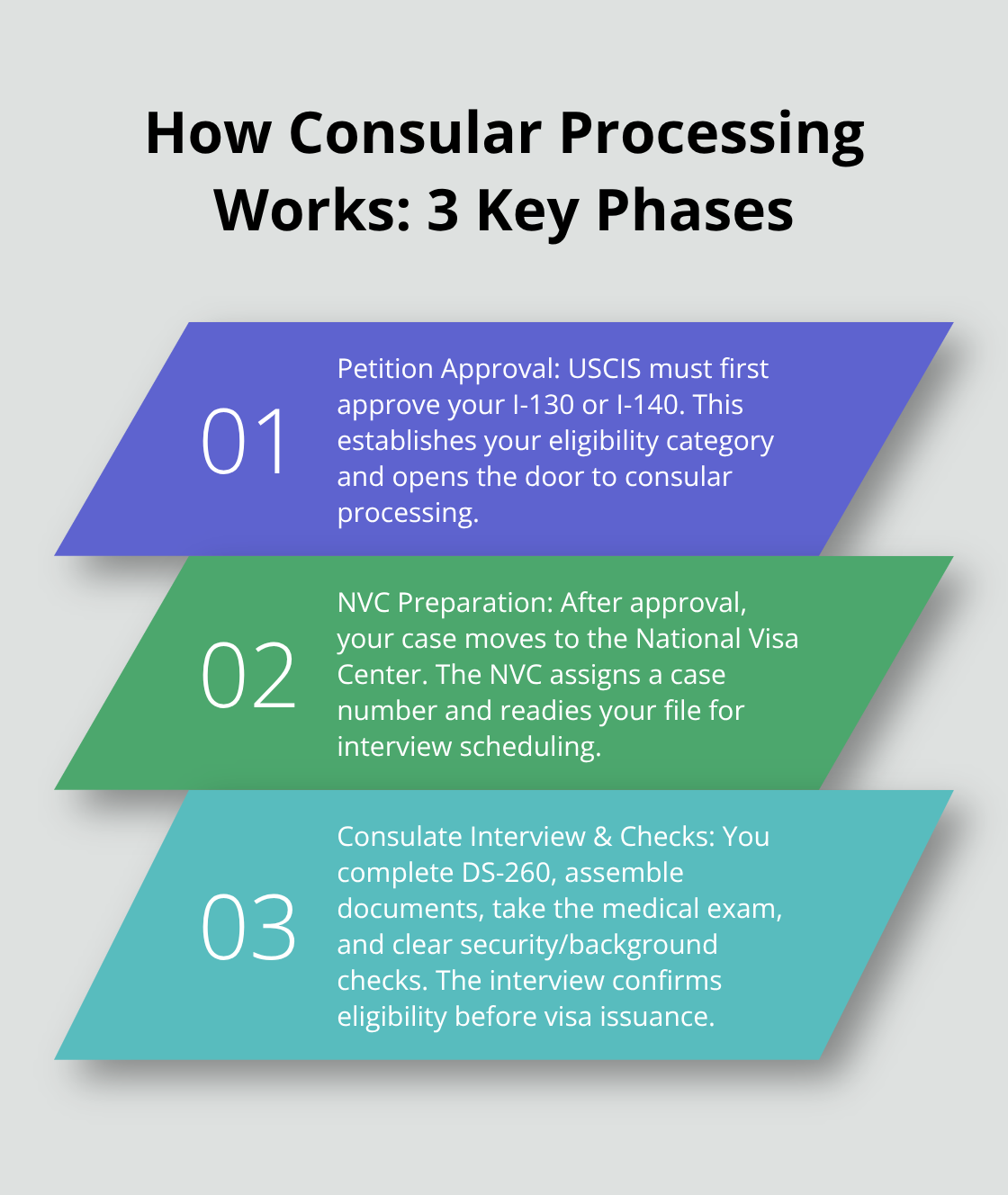
The process unfolds in distinct phases. Your I-140 or I-130 petition must receive approval from USCIS first, then your case moves to the National Visa Center for preparation before your consulate schedules your visa interview. You’ll submit Form DS-260, gather extensive documentation, complete a medical examination with an approved physician, and undergo security and background checks. This approach differs fundamentally from adjustment of status, where applicants remain in the U.S. and change their status without leaving the country.
Timeline Differences That Matter
Adjustment of status typically takes 8-12 months while consular processing averages 12-18 months depending on visa category and consulate location. The key advantage of consular processing is that it often represents the only option available if you entered the U.S. without inspection or lack immediate relative sponsorship eligibility. Understanding these timelines helps you plan your life accordingly and set realistic expectations for your immigration journey.
Why Brockton Residents Pursue This Path
Brockton’s immigrant community frequently pursues consular processing because many residents have family members abroad or came through employment-based sponsorship routes that require this procedure. If you’re a Brockton resident with a spouse, parent, or adult child living outside the U.S., consular processing becomes your required pathway. Employment-based green card applicants, particularly those sponsored through EB-2 or EB-3 categories, also navigate this process when visa numbers become available.
The Massachusetts immigration landscape means that residents often face complex situations involving mixed-status families or employment transitions that make consular processing the practical choice. Your country of origin and current location determine which consulate will handle your case. Selecting the wrong pathway can delay your case significantly or create legal complications that become expensive to resolve later-which is why identifying whether consular processing or adjustment of status applies to your specific circumstances matters from the start.
The Consular Processing Timeline and Requirements
When Your Petition Approval Marks the Real Beginning
Your petition approval from USCIS triggers the start of your consular processing journey. After USCIS approves your I-130 or I-140 petition, your case transfers to the National Visa Center, which typically takes 2-4 weeks. The NVC reviews your file and prepares it for consular assignment during this waiting period. You’ll receive a case number and instructions for the next phase.
Start collecting documents immediately rather than waiting for official requests. Most applicants who experience delays admit they waited for formal notification before obtaining birth certificates, police clearances, and medical records. The USCIS processes approximately 2.2 million immigrant visa applications annually, and cases move faster when documentation arrives complete and organized.
Document Gathering and Visa Application Submission
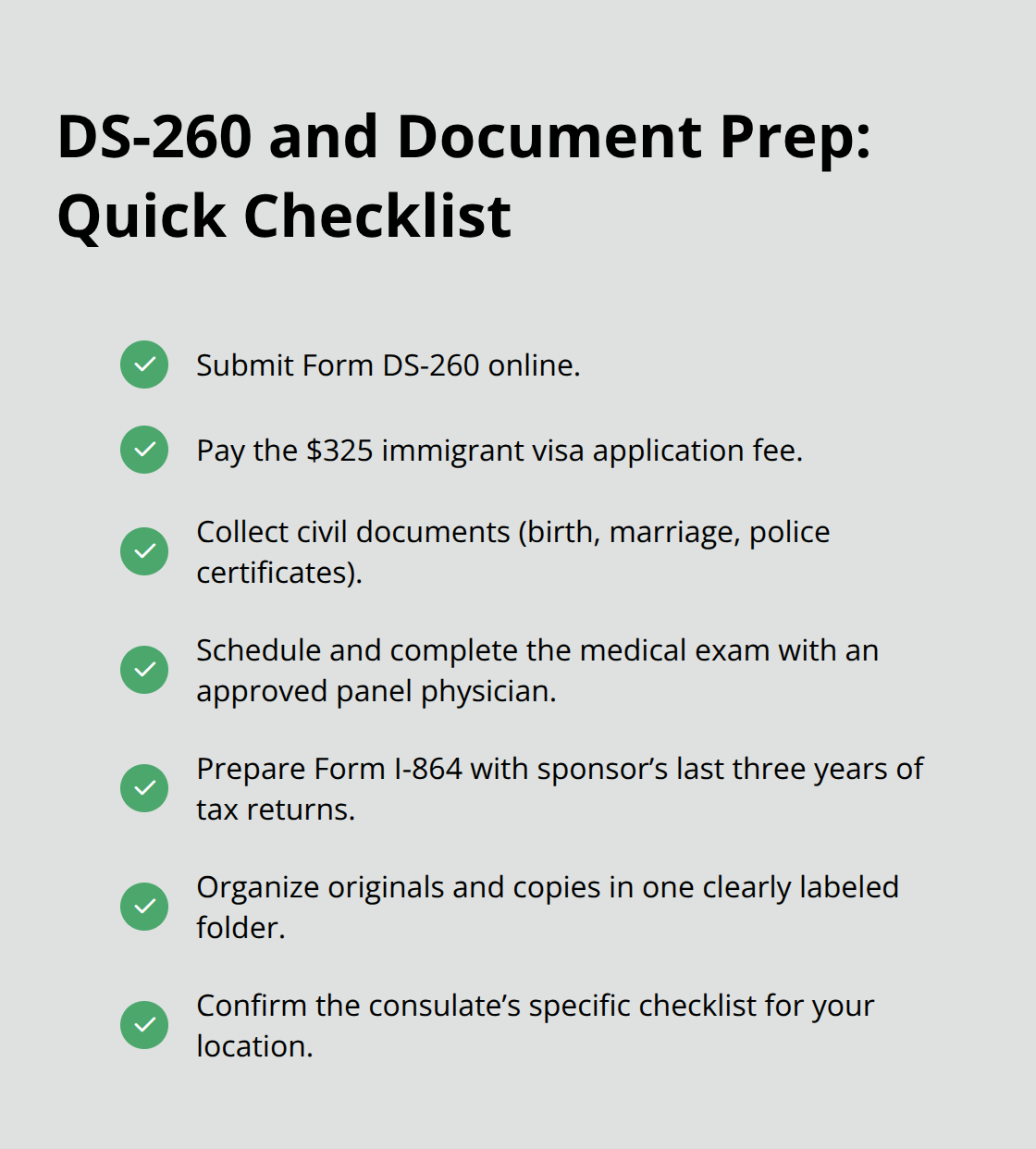
Once the NVC assigns your case to a consulate, you’ll submit Form DS-260 online and pay the visa application fee of $325. Document gathering becomes your primary focus during this phase, which typically spans 3-6 months depending on your consulate’s workload.
You’ll need civil documents like birth certificates and marriage licenses, police certificates from every country where you’ve lived over six months, medical examination results from an approved panel physician, and financial documents proving you meet income requirements. The I-864 Affidavit of Support requires your sponsor’s tax returns from the past three years. Many applicants overlook obtaining police certificates from countries they lived in decades ago, which causes significant delays.
Contact the consulate serving your jurisdiction directly to confirm their specific document checklist rather than relying on general USCIS guidance, as requirements vary by location. Organize all documents in a single folder before your consular interview, as consular officers spend an average of 20-30 minutes per case and cannot accommodate disorganized presentations.
Medical Examination and Security Procedures
The medical examination with an approved panel physician costs between $300-$500 and includes vaccinations, blood tests, and a chest X-ray. You must complete this examination before your interview, and only approved physicians can conduct these evaluations.
Security clearance procedures happen behind the scenes but can extend your timeline unexpectedly if name checks or background investigations uncover inconsistencies. These background checks verify your criminal history, immigration compliance, and security status across multiple databases. Delays in this phase often stem from common name matches or incomplete information in your application file.
Preparing for Interview Success
Your consular interview represents the final hurdle before your passport stamp arrives. Consular officers review your documentation, verify your eligibility, and assess your admissibility during this 20-30 minute meeting. Inconsistencies between your application forms and supporting documents can trigger additional questioning or requests for clarification.
Bring original documents to your interview along with copies, as officers need to verify authenticity. Prepare clear, concise answers about your relationship to your sponsor (if family-based) or your employment situation (if employment-based). The officer will ask about your background, your ties to your home country, and your plans in the United States. If you face complex circumstances-such as prior immigration violations, criminal history, or employment gaps-professional legal guidance can help you prepare responses that address potential concerns before your interview date.
Common Obstacles in Consular Processing and How to Navigate Them
Documentation Issues That Halt Your Case
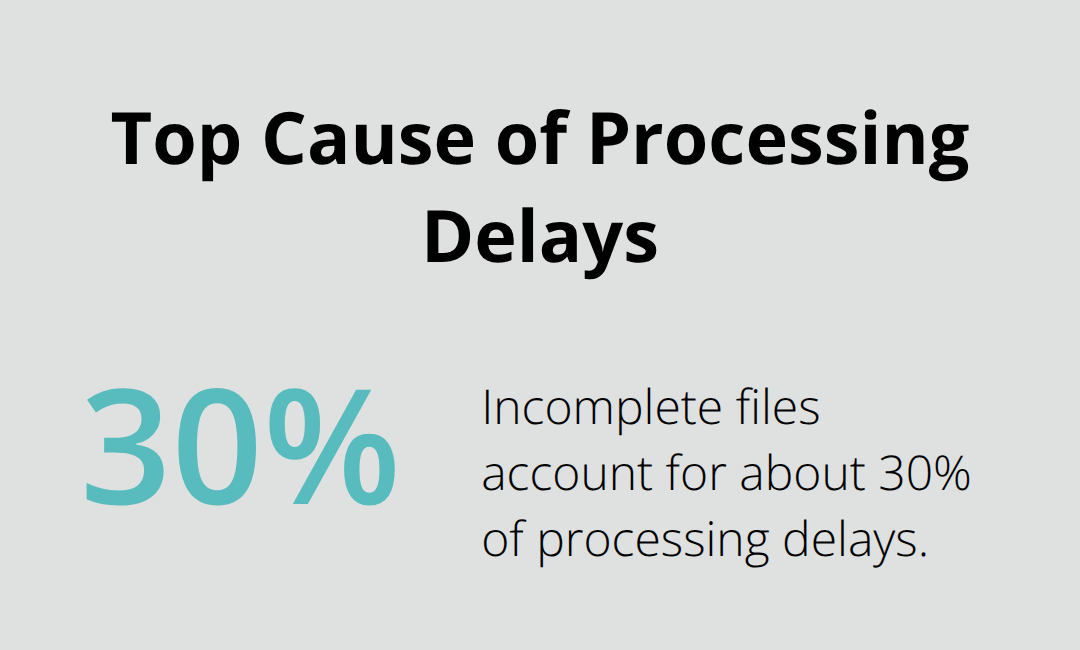
Documentation problems and administrative delays represent the two biggest reasons consular processing cases stall or get denied. Missing police certificates from countries where applicants lived decades ago, incomplete financial records, or inconsistent information between forms and supporting documents create the most friction. The U.S. State Department processes over 2 million immigrant visa applications annually, and incomplete files account for approximately 30 percent of processing delays according to consular data.
Start collecting documents the moment your petition receives approval rather than waiting for the National Visa Center to request them formally. Police certificates from every country where you’ve lived over six months take the longest to obtain, sometimes requiring 6-8 weeks through international channels. Birth certificates, marriage licenses, and divorce decrees need certified copies with official seals, not photocopies.
Contact each consulate directly and request their specific document checklist in writing, since requirements vary significantly by location and visa category. Some consulates demand additional documents that the standard USCIS guidance never mentions. Organize everything chronologically and keep duplicates of irreplaceable documents in a separate secure location.
Interview Preparation and Potential Questions
Interview preparation separates applicants who pass on their first attempt from those who face additional requests for evidence or second interviews. Consular officers spend 20-30 minutes reviewing your case and will ask pointed questions about inconsistencies they spot in your file.
Prepare concrete answers about your relationship to your sponsor, your employment history, and your ties to the United States. If you have prior immigration violations, criminal history, or employment gaps, these issues will surface during questioning. Consular officers interview procedures and questioning during visa interviews require you to be honest and stay calm, as any discrepancies can lead to complications.
Consular officers cannot accommodate disorganized presentations or missing documents during your interview, and you generally cannot reschedule if materials are incomplete. Missing even one required document often results in case denial or administrative closure, forcing you to restart the entire process months later.
Dealing with Administrative Processing Delays
Administrative processing delays happen when background checks reveal name matches or when security clearance procedures take longer than expected. These delays typically last 30-60 days but can extend to 6 months or longer if your case requires additional investigation.
You have no control over administrative processing timelines, but you can control whether your documentation is complete and accurate before submission. Consular officers will not accommodate incomplete files during your interview, and delays in this phase often stem from common name matches or incomplete information in your application file.
Final Thoughts
Consular processing in Brockton, MA demands attention to detail and strategic planning from start to finish. The path from petition approval to your passport stamp involves multiple phases, each with specific requirements that cannot be overlooked. Your success depends on submitting complete documentation early, preparing thoroughly for your consular interview, and understanding that administrative processing delays fall outside your control.
The most effective applicants start gathering documents immediately after petition approval rather than waiting for formal requests. Police certificates from every country where you’ve lived over six months take the longest to obtain, so you should initiate these requests early to prevent unnecessary delays. Contact your assigned consulate directly to confirm their specific document checklist, since requirements vary significantly by location and visa category.
Interview preparation separates applicants who succeed on their first attempt from those facing additional complications. Consular officers spend 20-30 minutes reviewing your case and will ask pointed questions about any inconsistencies in your file. An immigration attorney at Law Offices of Jeffrey A. Thompson identifies potential problems before they derail your case, ensures your documentation meets consulate requirements, and prepares you for interview questions that could otherwise catch you unprepared.
Share this post: