Consulate Processing Steps Brockton: A Local Guide
November 9, 2026
Navigating consulate processing steps in Brockton requires understanding how these offices work and what documents you’ll need. Many residents face confusion about whether they should contact a consulate or USCIS, and that distinction matters for your case.
We at Law Offices of Jeffrey A. Thompson have guided countless clients through this process. This guide walks you through each stage so you know exactly what to expect.
Understanding Consulate Processing in Massachusetts
What Consulates Actually Do
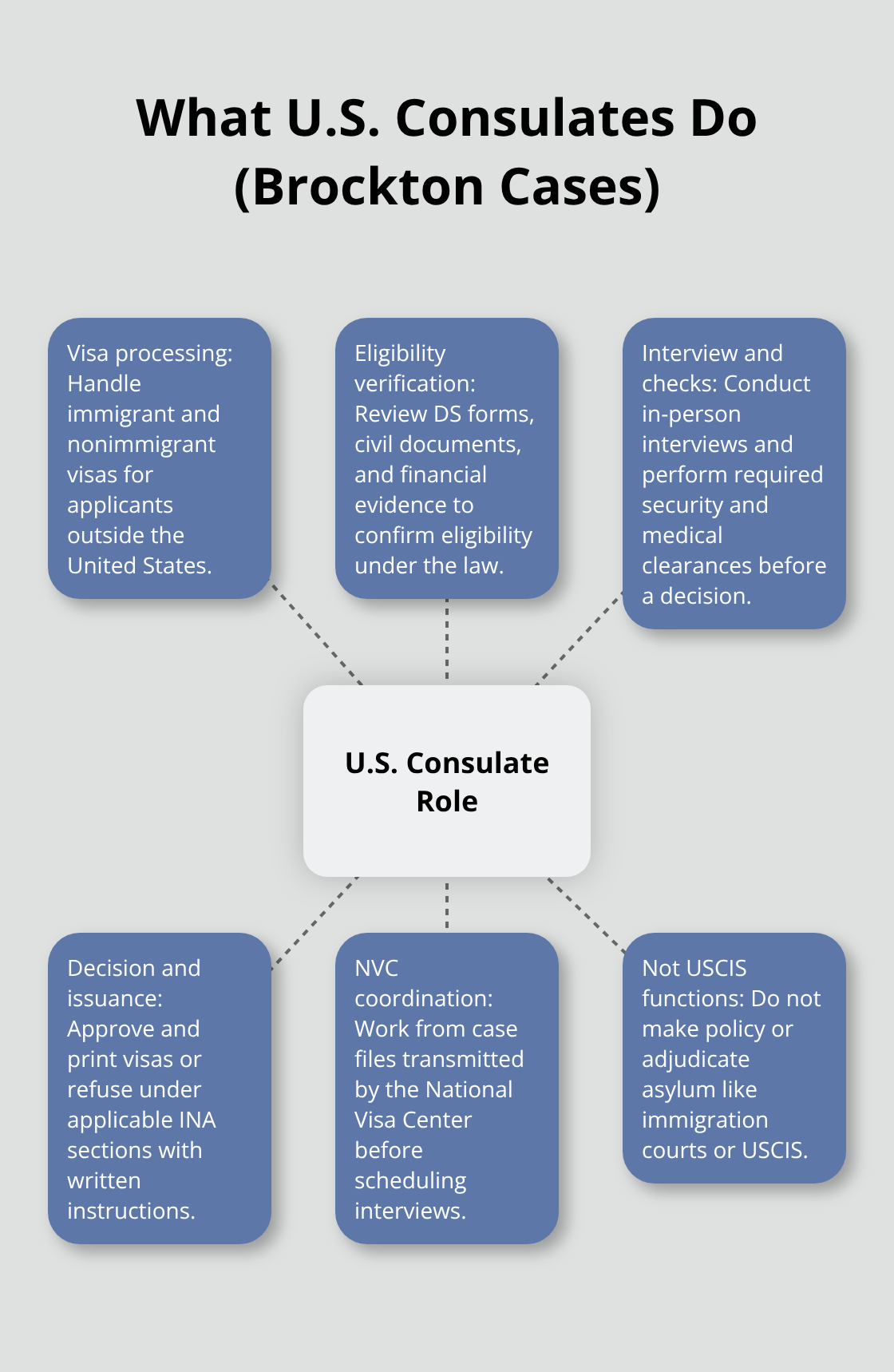
Consulates are U.S. government offices located outside the United States that handle visa issuance and certain immigration services for people applying from abroad. Unlike USCIS offices inside the U.S., consulates operate under the State Department and focus specifically on processing immigrant visas, nonimmigrant visas, and related documentation for applicants who are outside American borders. If you apply for a green card through consular processing, your case moves through the National Visa Center before heading to the consulate in your jurisdiction. For Brockton residents with family or employment abroad, this pathway becomes necessary when you cannot adjust status inside the U.S. Consular processing typically adds 6 to 12 months to your timeline compared to adjustment of status, so timing your decision matters significantly. The consulate’s role is straightforward: verify your eligibility, conduct your immigration interview, and issue or deny your visa. They do not make policy decisions or handle asylum claims in the way immigration courts do.
Why Brockton Residents Face Consulate Processing
Many Brockton residents need consular services because they sponsor relatives who live outside the U.S. or because they themselves are abroad seeking permanent residence. If you are married to someone living internationally or sponsor a parent from another country, consular processing is your route. Employment-based green cards also flow through consulates when the beneficiary is outside the U.S. at the time of approval. The National Visa Center manages your case during the waiting period and notifies you when your priority date becomes current by checking the State Department Visa Bulletin. Immediate relatives of U.S. citizens face no annual visa caps, which often speeds up consular processing compared to other family categories.
What to Expect at Your Consulate Interview
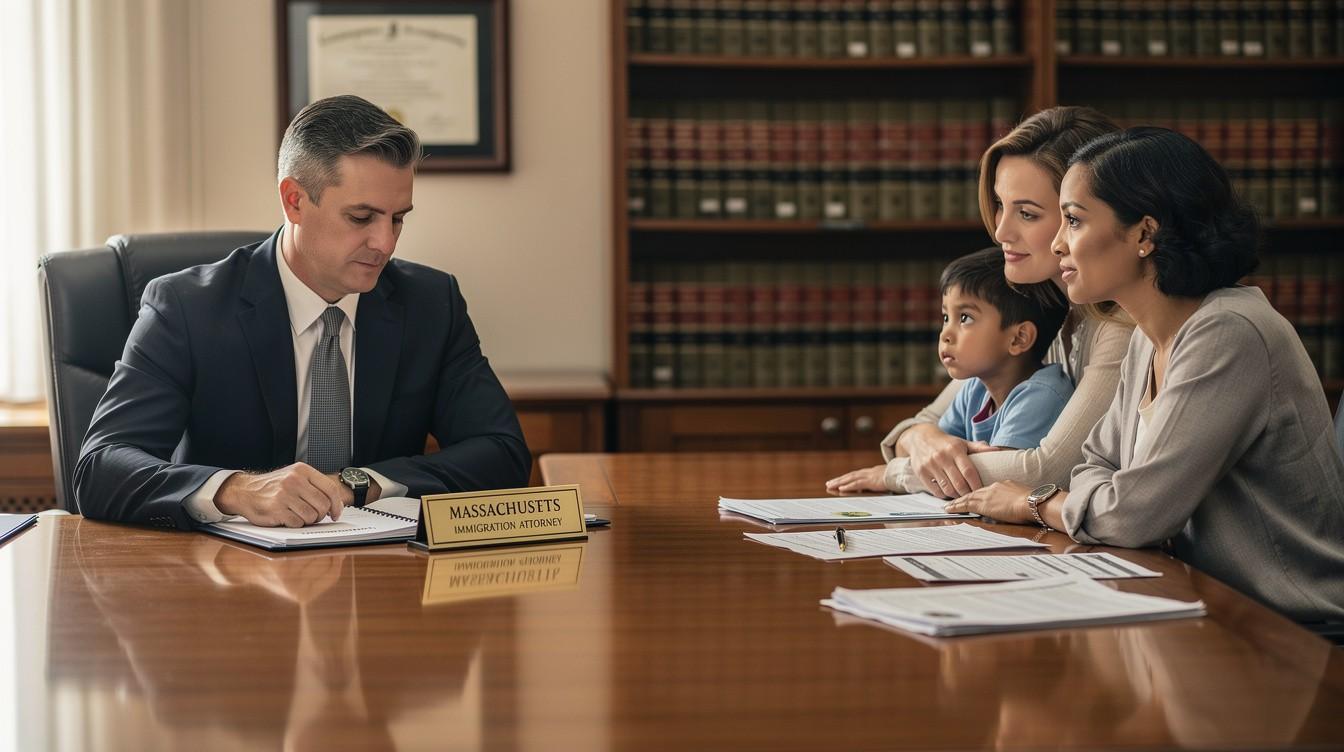
Once your priority date is current, the consulate schedules your interview, which typically lasts 20 to 45 minutes and covers your background, your relationship to your sponsor, and your intent to live permanently in the U.S. Officers ask questions about employment history, ties to your home country, and your financial stability. For family cases, prepare joint documents (tax returns, bank statements, photos) that demonstrate your relationship. For work-based cases, bring employment letters that match your petition and show your job duties align with the approved position. Mock interviews help reduce nervousness and prepare you for the actual conversation. The consulate officer will review your complete file before the interview, so any inconsistencies in your documentation will surface during questioning. Incomplete evidence packages lead to Requests for Evidence (RFEs), which delay your case by weeks or months. Responding to RFEs within 30, 60, or 84 days-depending on the complexity of the request-keeps your case moving forward. This preparation stage determines whether your interview proceeds smoothly or stalls due to missing information, making it the ideal time to connect with an immigration attorney who can review your file before you appear.
How to Prepare Your Documentation and Submit to the Consulate
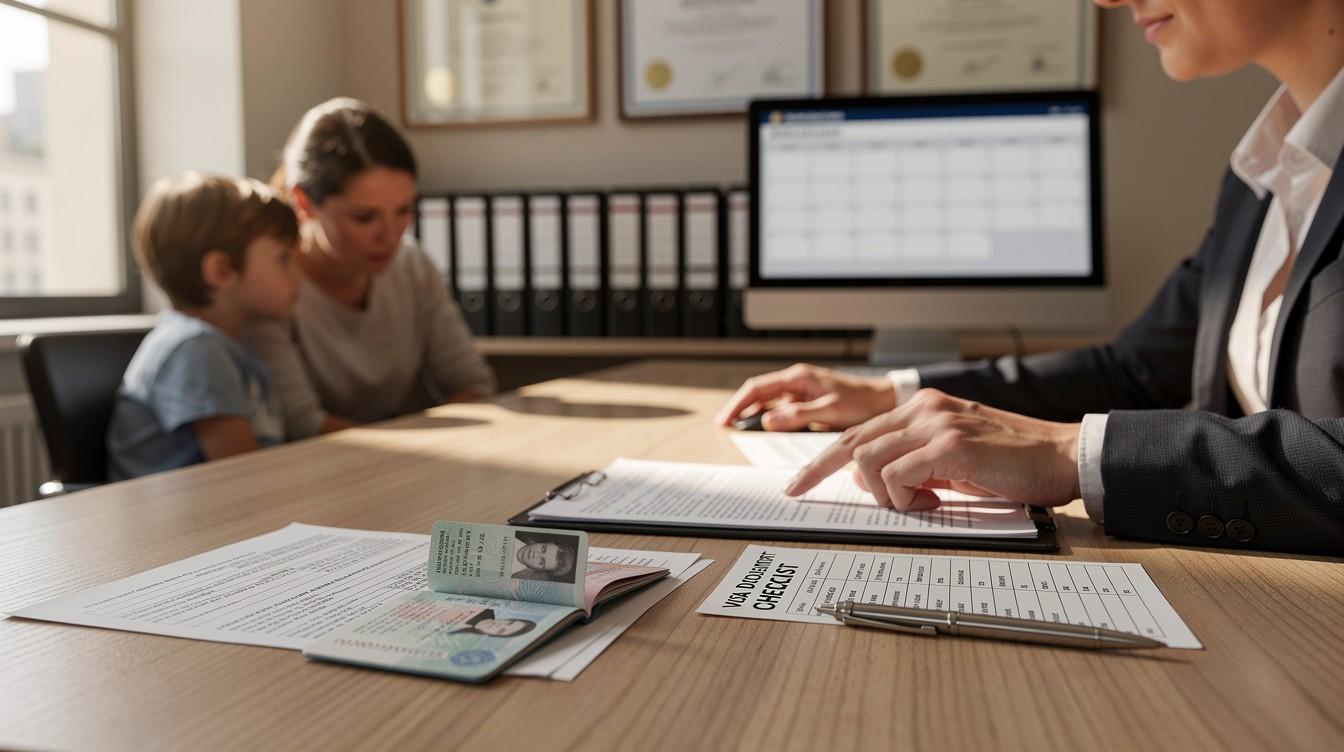
Gather Your Core Documents First
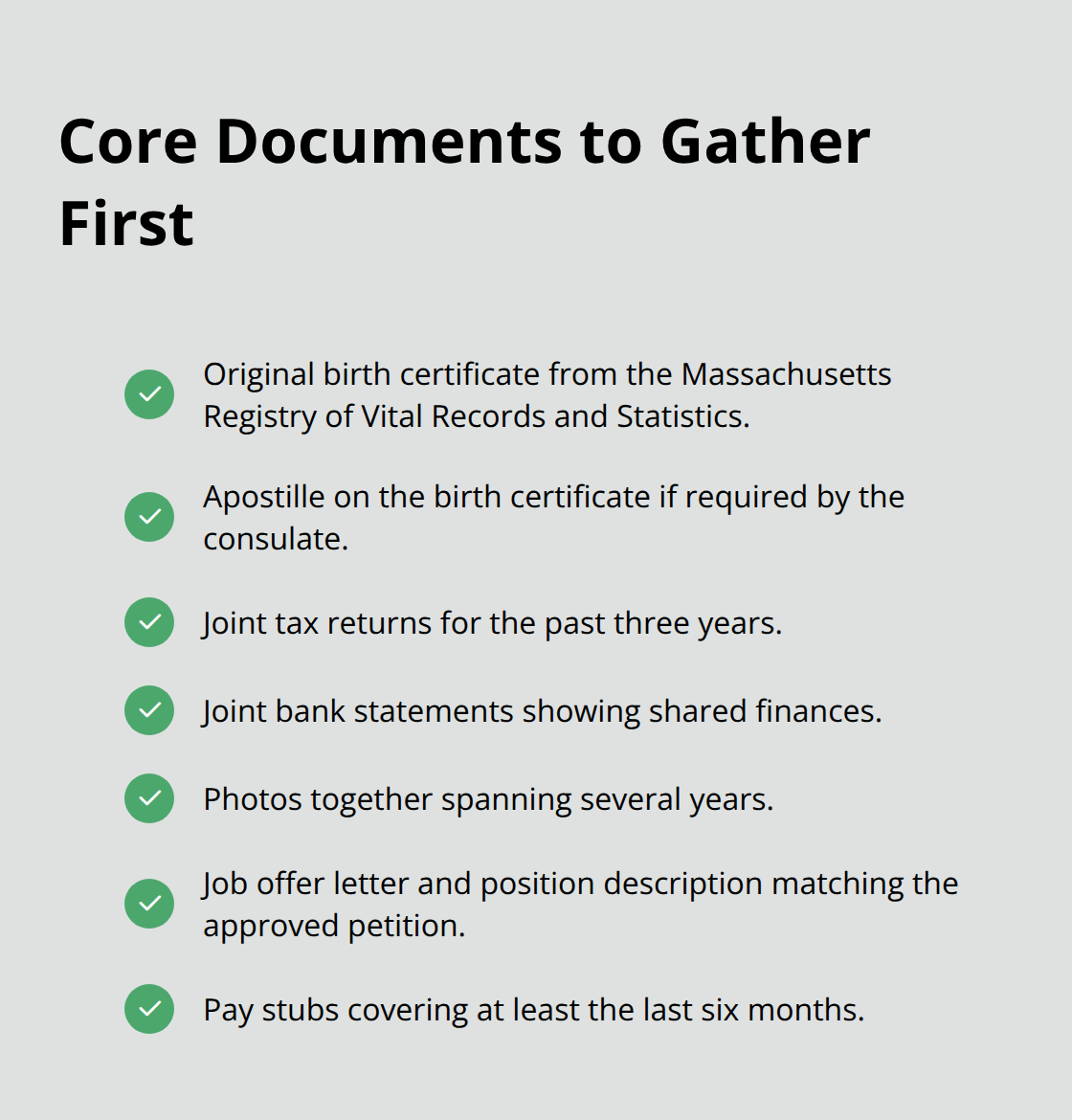
Incomplete evidence packages rank among the top reasons cases face delays, so treating this step as your foundation matters. Start by obtaining your original birth certificate from the Massachusetts Registry of Vital Records and Statistics if you need proof of citizenship or identity. You’ll need an apostille on this document, which the registry provides for a small fee. If you’re in a family-based case, collect joint tax returns for the past three years, joint bank statements showing shared finances, and photos together spanning several years. Employment-based applicants must gather job offer letters, position descriptions that match the approved petition, and pay stubs covering at least the last six months.
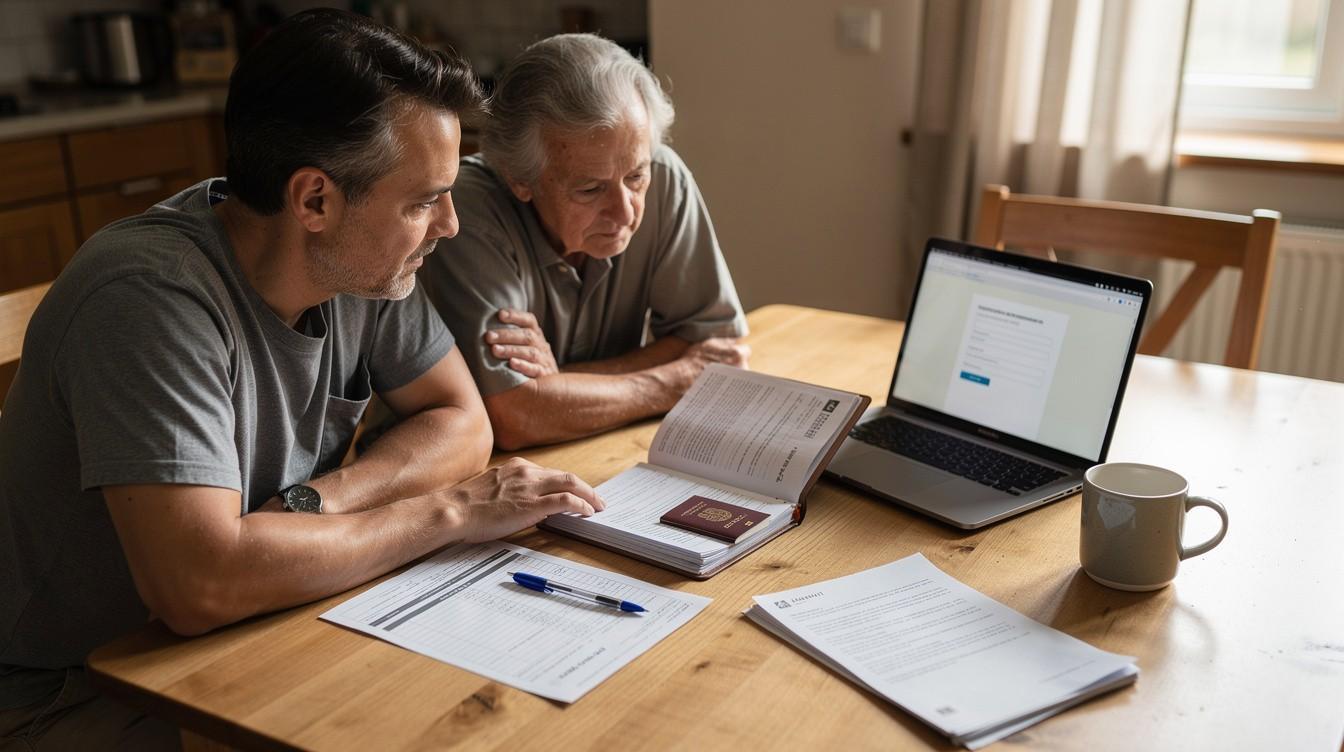
Document Your Massachusetts Residency
For Massachusetts residency evidence, don’t overlook utility bills, lease or mortgage documents, and employer or school correspondence with your name and local address. Inconsistencies between documents trigger officer questions during your interview and often lead to Requests for Evidence that add months to processing time. The consulate officer will review your complete file before the interview, so any gaps in your residency proof will surface during questioning. Shared housing or multi-generational living in Massachusetts requires precise documentation to avoid confusion about where you actually reside.
Submit Your Application to the National Visa Center
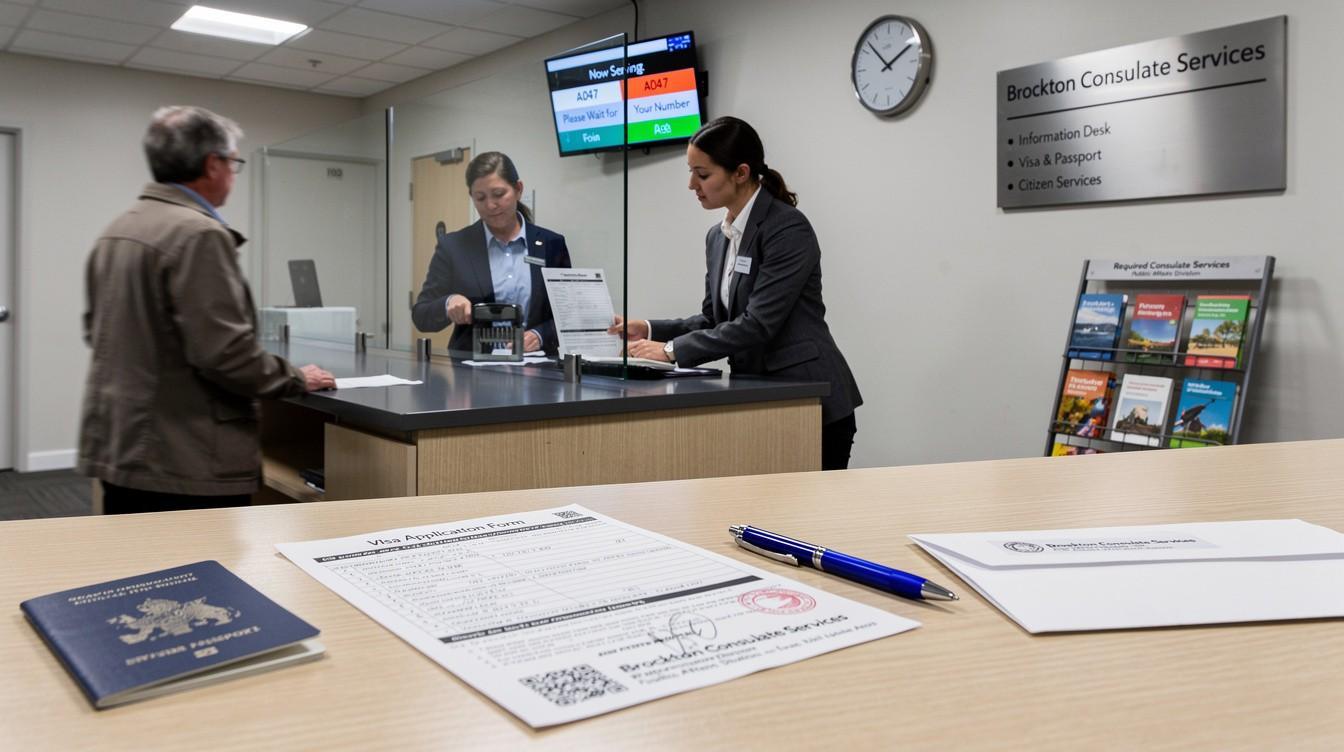
The National Visa Center notifies you when your priority date becomes current according to the State Department Visa Bulletin. Submit your application through the National Visa Center once they provide this notification. The consulate will specify exactly which forms you need, typically the DS-260 for immigrant visas, along with medical examination results from a USCIS-designated panel physician. Payment methods vary by consulate location. The Ukrainian Consulate General in New York, which serves Brockton residents, uses a money order system for passport services at approximately $130, though visa fees differ. Check the consulate’s official website for current fees and accepted payment methods before submitting anything.
Prepare for Your Interview
Once the consulate receives your complete file, they’ll schedule your interview within weeks to a few months depending on their workload. You’ll receive notification with the date, time, and specific instructions about what to bring. Arrive at least 15 minutes early with all original documents plus copies of key pages. During the 20 to 45 minute interview, the officer will ask detailed questions about your background and your relationship to your sponsor, so review your entire file the night before. Bring a notebook and pen to jot down any follow-up questions the officer mentions, then ask for clarification before you leave the consulate building. This moment is your chance to address concerns face-to-face rather than through written Requests for Evidence later. If you face challenges during this process, an immigration attorney can review your file before your interview and help you prepare for officer questions.
Common Challenges and How to Avoid Them
Incomplete Documentation Derails Most Cases
Incomplete documentation stands as the single largest cause of delays in consulate processing. Processing delays stem from Requests for Evidence, which add 12 to 84 days to your timeline depending on complexity, though responding within 30 days keeps momentum on your side. The problem compounds because consulate officers review your entire file before your interview, meaning gaps surface during questioning rather than quietly in the background.
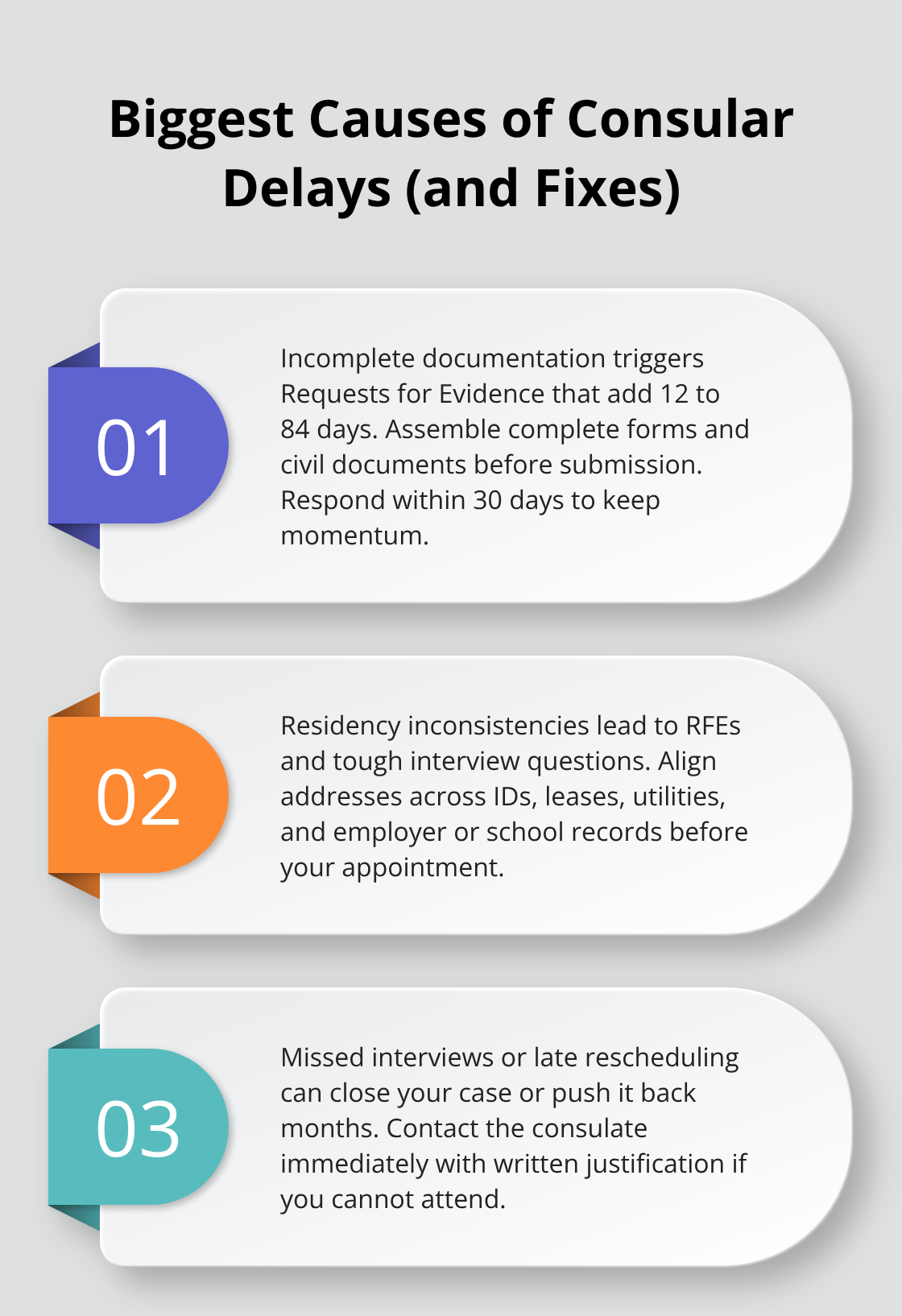
If your residency documentation shows inconsistencies-a utility bill with one address, an employer letter with another-the officer flags this during the interview and issues an RFE that pushes your case back weeks. Shared housing or multi-generational living in Massachusetts requires precise documentation to avoid this trap entirely. You need your Massachusetts driver’s license or state ID, lease or mortgage records, utility bills from the past three months, and employer or school correspondence all showing the same address.
Build Your Evidence Package Before Submission
Compile your complete evidence package before you submit to the National Visa Center. For family cases, missing joint tax returns for three years or incomplete bank statements showing shared finances creates immediate red flags. Employment-based applicants who submit position descriptions that don’t match the approved petition face officer skepticism that leads directly to RFEs. An immigration attorney can review your file for gaps and inconsistencies that you might miss on your own.
Handle Interview Deadlines and Rescheduling Carefully
Missing interview deadlines or struggling with rescheduling creates a different category of problems that can derail your entire case. The consulate provides specific dates and times in your interview notice, and missing that appointment without contacting them immediately often results in case closure or significant delays in rescheduling. If you cannot make your scheduled date due to illness, emergency travel, or legitimate hardship, contact the consulate’s visa section immediately-don’t wait until the day of your appointment.
Rescheduling typically requires written justification and may push your interview out several months depending on the consulate’s workload. The consulate officer will need to understand your circumstances before they approve a new date.
Understand Visa Denial Reasons and Your Options
Common denial grounds include insufficient evidence of your relationship to your sponsor, concerns about your ties to your home country, medical or security issues, or documentation that doesn’t support your petition. Administrative denials due to missing documents can sometimes be resolved by resubmitting the missing evidence and requesting reconsideration, though this process varies by consulate and isn’t guaranteed.
Criminal history or security concerns are far more difficult to overcome and may require waivers or specialized legal remedies. An immigration attorney can assess whether your denial is reversible and what steps might help you move forward.
Final Thoughts
Consulate processing steps in Brockton demand careful attention to documentation, timing, and procedural requirements. The most successful cases share one common trait: applicants prepared their evidence packages thoroughly before submission and stayed organized throughout the process. Incomplete documentation, missed deadlines, and inconsistent residency records account for the majority of delays you’ll encounter, so start gathering your Massachusetts driver’s license, lease or mortgage documents, utility bills, and employment records immediately.
Your consulate interview represents your opportunity to address officer concerns face-to-face rather than through written requests that add months to your timeline. The 20 to 45 minute conversation determines whether your case moves forward smoothly or stalls due to missing information. Respond to any Requests for Evidence within 30 days to keep momentum on your side, as delays in responding can push your case back significantly.
Professional legal guidance matters most when you face uncertainty about which documents to submit, when you receive an RFE, or when your case involves complications like shared housing or prior visa denials. We at Law Offices of Jeffrey A. Thompson assist clients in navigating consulate processing steps in Brockton from paperwork through overcoming legal hurdles, and Attorney Thompson provides expert guidance tailored to your specific circumstances to help you avoid costly mistakes and move forward confidently.
Share this post: