Spousal Visa Interview Tips: A Practical Guide for Your Case
June 1, 2026
A spousal visa interview can feel overwhelming, but preparation transforms anxiety into confidence. We at Law Offices of Jeffrey A. Thompson have guided countless couples through this process, and we know what works.
This guide walks you through the exact steps to present your strongest case. From organizing documents to answering tough questions, you’ll find practical strategies that interviewers actually respond to.
What Documents Actually Matter for Your Interview
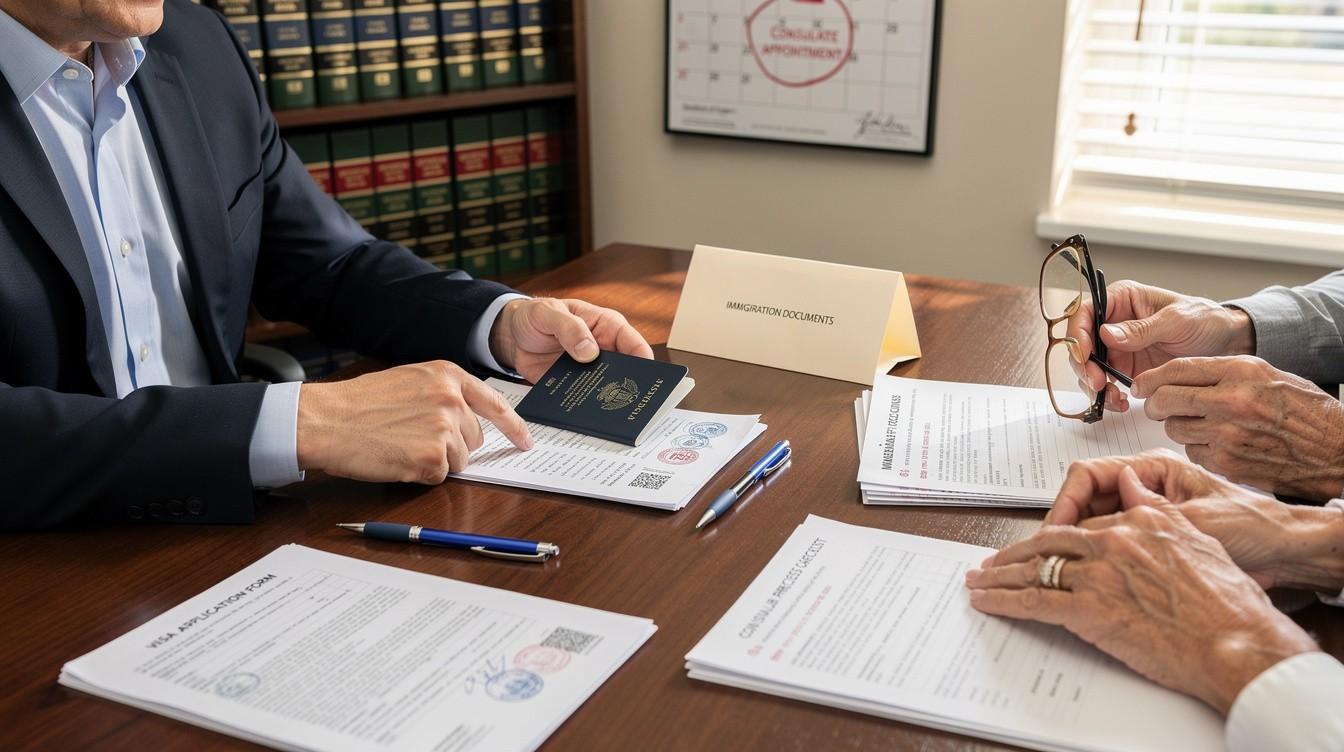
Documentation determines whether couples succeed or fail at spousal visa interviews. USCIS officers examine evidence with skepticism baked into their training, specifically looking for signs of marriage fraud. The burden falls entirely on you and your spouse to prove the marriage is genuine by a preponderance of evidence, according to USCIS Policy Manual guidelines. This means gathering the right documents isn’t optional-it’s the foundation of your entire case.
Collect Civil Documents and Identification Records
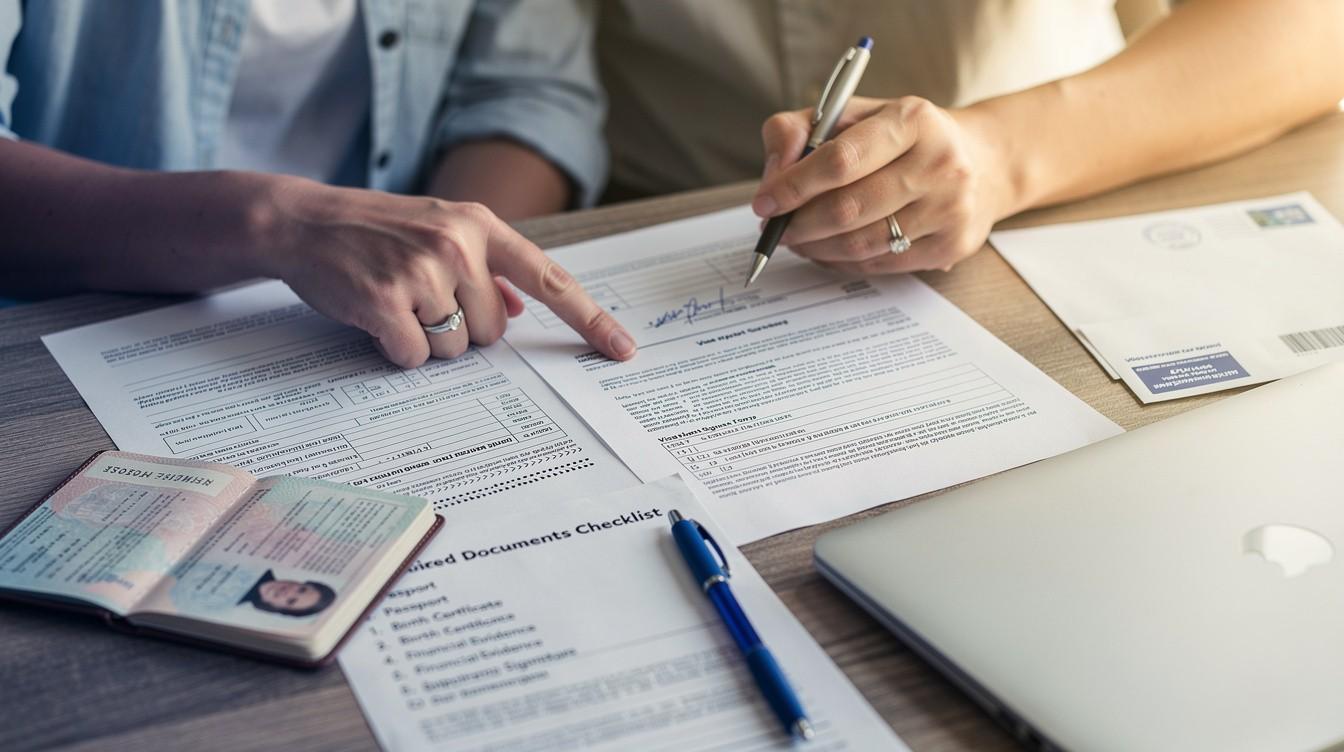
Start by collecting original documents and certified copies of all civil documents you submitted to the National Visa Center, including birth certificates, marriage certificates, and divorce decrees if applicable. Police certificates are valid for two years from issuance, so verify yours hasn’t expired or won’t expire before your interview date. If you turned 16 since your case became documentarily complete, obtain a new police certificate.
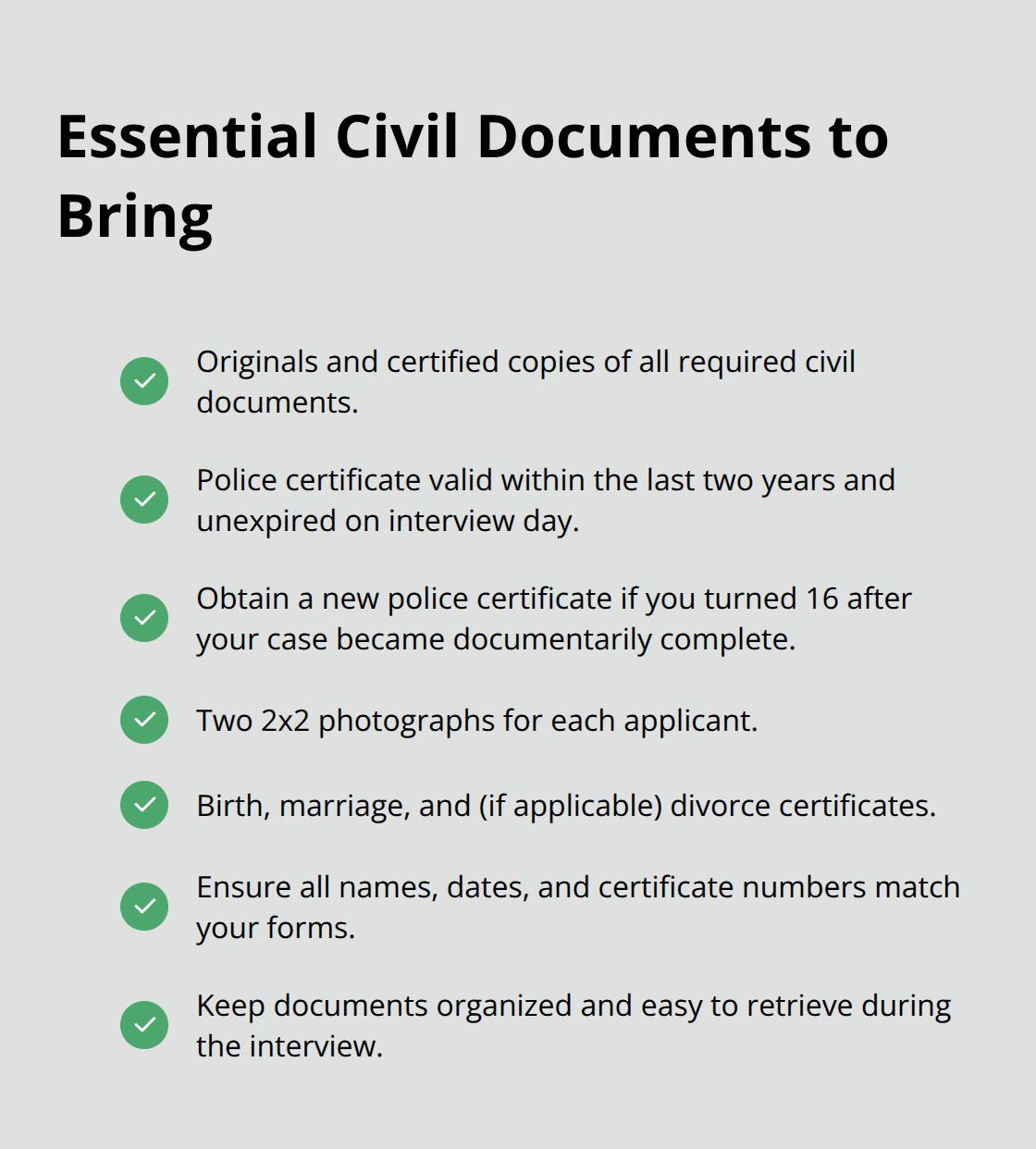
Bring originals to the interview itself-do not submit updated certificates to NVC beforehand. Bring two 2×2 photographs for all applicants as well.
Joint Financial Documentation Demonstrates Shared Life
Joint financial records form one of the strongest ways to demonstrate a shared life. Bring joint tax returns covering at least the past two years-these show combined income and filing status. Include mortgage documents or lease agreements in both names, which prove cohabitation and shared financial commitment. Joint bank account statements, ideally spanning several months, demonstrate ongoing financial interdependence. Add joint insurance policies (health, auto, or home), utility bills in both names, and credit card statements showing shared expenses. If you lack some of these documents, understand what you’re missing creates gaps the interviewer will notice. Organize these chronologically so the interviewer sees a clear progression of your shared financial life over time.
Photos and Communications Show Your Relationship History
Photographs and communications form the emotional backbone of your case. Compile family photos spanning your relationship from dating through marriage and daily life together. Include travel itineraries and photos from trips you took together, which demonstrate time spent in person. Text messages, emails, and social media history showing ongoing communication matter significantly-print screenshots organized by date to show consistent contact. Affidavits from friends and family attesting to your relationship add credibility; have at least three to five people provide written statements about knowing you as a couple. The interviewer expects to see evidence that spans months or years, not just weeks. Red flags emerge when couples lack photos together, show no travel history, or have minimal communication records.
Anticipate What the Interviewer Will Ask
Expect approximately 5 to 10 questions during your 10-minute interview, so this documentation answers questions before they’re asked. The interviewer will probe your relationship timeline, daily life together, financial arrangements, and family backgrounds. Your organized documents provide concrete answers to these questions without requiring you to rely solely on memory or verbal explanations. When you present evidence that aligns with your spoken answers, you build credibility and reduce the interviewer’s skepticism. This preparation also steadies your nerves-you know exactly what you’ve brought and why each document matters. With documentation in place, you’re ready to address the specific questions interviewers ask most frequently.
What Interviewers Actually Ask About Your Marriage
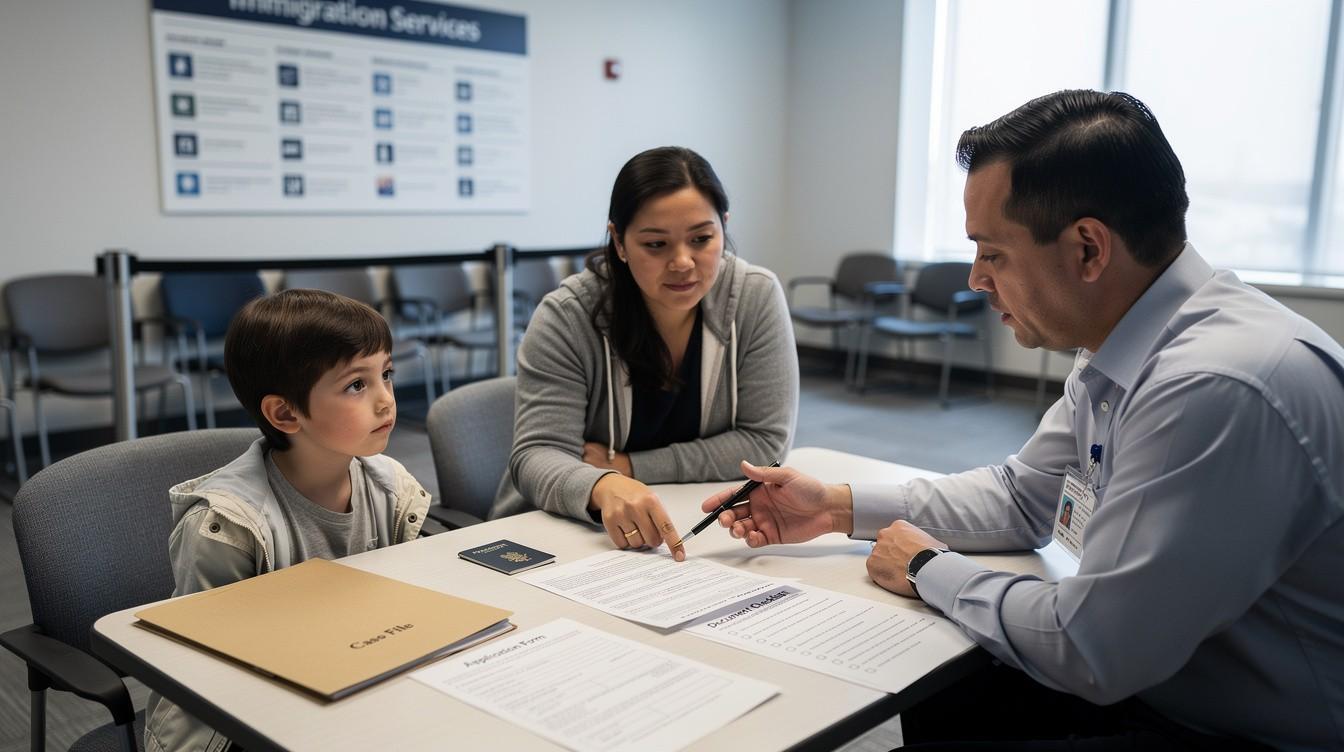
The consular officer will ask you approximately 5 to 10 questions during your 10-minute interview, and these questions follow predictable patterns that you can prepare for directly. USCIS officers are trained to assess whether your marriage is genuine by testing your knowledge of each other and your shared life. They ask about how you met, your relationship timeline, where you live together, your daily routines, finances, family backgrounds, and future plans. The key to success isn’t memorizing answers-it’s understanding your own story so thoroughly that you answer naturally and consistently. Inconsistencies between what you say and what your spouse says, or between your answers and your documents, trigger red flags that can delay your case or lead to denial.
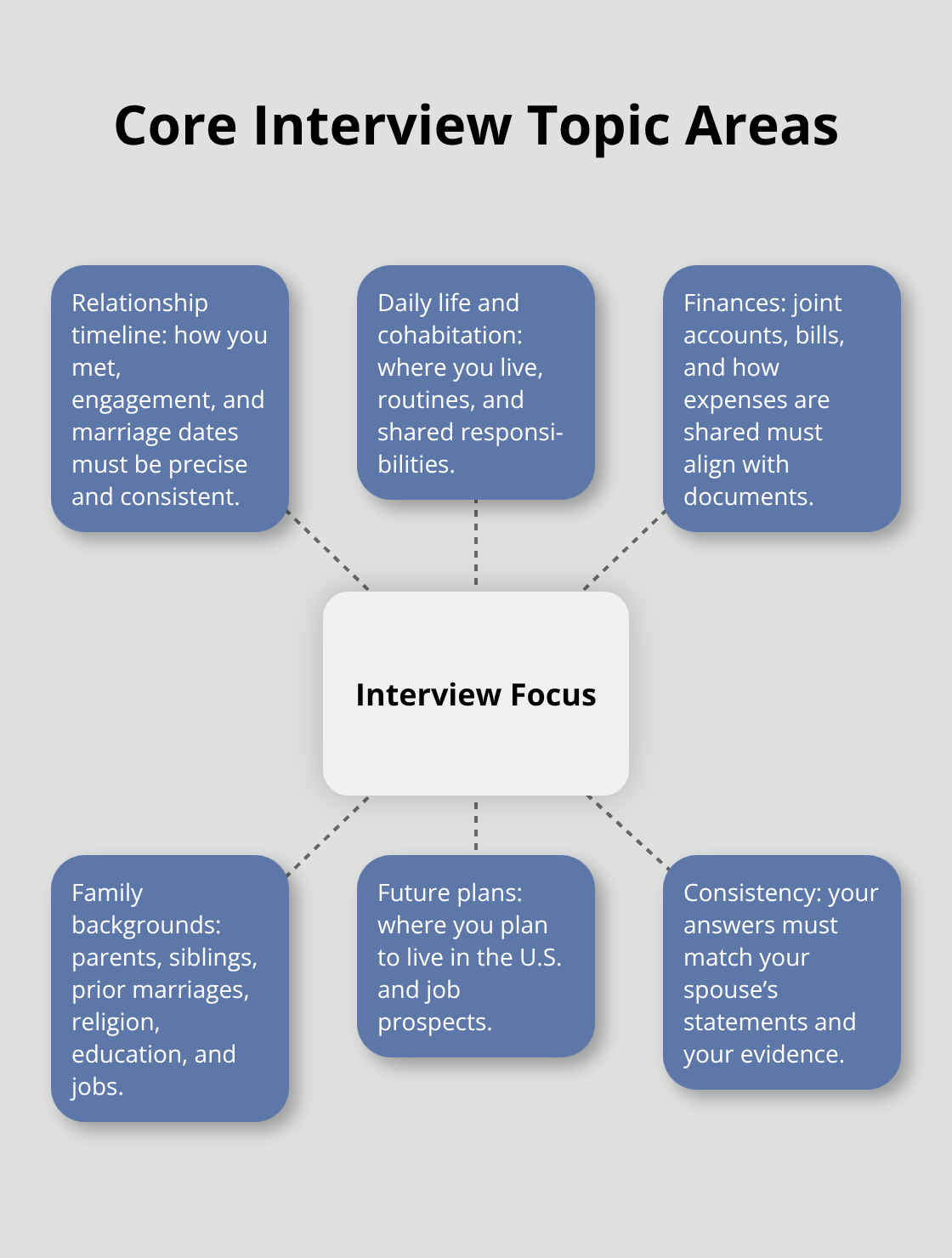
The interviewer will compare your testimony against the documents you brought, so every answer must align with your photos, financial records, and communications.
Your Relationship Timeline Must Be Precise and Consistent
You need to know exact dates: when you met, when you first dated, when you got engaged, and when you married. The interviewer will ask these questions, and vague answers like somewhere around 2023 or I think it was spring weaken your credibility. Write down these dates and review them with your spouse multiple times before the interview. The officer may also ask who proposed, where it happened, and what happened that day-these details reveal whether you actually experienced these moments or are reciting a story. You should discuss how your relationship progressed from dating to marriage, including any significant events or obstacles you overcame together. If your marriage occurred shortly after a visa overstay or entry without inspection, expect heightened scrutiny. Red flags intensify when there’s a rushed timeline between meeting and marrying, so if this applies to you, prepare detailed explanations about why your relationship developed quickly and gather evidence showing genuine commitment rather than convenience.
Daily life questions expose couples who don’t actually live together
Expect direct questions about where you live, who pays which bills, what you do together on weekends, and details about your daily routines. The officer wants to know if you genuinely share a life or just see each other occasionally. You should name your city and street address without hesitation. Describe your home-how many bedrooms, what furniture is in your bedroom, where you keep your clothes. If you don’t know these details about your spouse’s daily environment, the interviewer will notice. The officer may ask what time your spouse leaves for work, who makes breakfast, or what side of the bed your spouse sleeps on. These seem like small questions, but couples who don’t actually live together typically fail these because they haven’t paid attention to these details. You need to talk with your spouse about their daily habits, preferences, and routines. Know whether they’re a morning person or night owl, what they like to drink with breakfast, and what they do to relax after work. When couples answer these questions with specificity and ease, it signals genuine cohabitation and shared life. Lack of shared finances is another major red flag-if you maintain completely separate bank accounts with no joint expenses, that raises questions about your commitment to building a life together.
Family and Background Questions Assess Your Connection
The officer will ask about your spouse’s parents’ names, occupations, and where they live. You should know your spouse’s siblings’ names, their ages, and what they do. If your spouse has been married before, know the details: who they married, when, where, and why it ended. The interviewer may ask about your spouse’s religion, education level, and previous jobs. Significant differences (a 15-year age gap, completely different religious backgrounds with no shared practice, or one spouse speaking little English while the other speaks only English) intensify scrutiny. These factors alone don’t disqualify you, but they require additional evidence of genuine connection. If language barriers exist, demonstrate how you communicate effectively despite them. If there’s a substantial age difference, show through your documents and testimony that you share values, interests, and genuine commitment rather than financial motivation. The officer will also ask where you plan to live in the United States and what your spouse’s job prospects are, so discuss these plans with your spouse beforehand and have them align with your documented financial situation and support. These answers set the stage for what happens after the interview concludes.
How to Present Yourself With Confidence at Your Interview
The moment you walk into that consular office, your appearance and demeanor communicate whether you’re prepared or panicked. Dress professionally but comfortably-think “business casual” with a button-down shirt, blouse, khakis, or a modest dress. Avoid flashy jewelry, excessive makeup, or anything that distracts from your answers. The officer spends roughly 10 minutes with you, and first impressions matter. Arrive at least 15 minutes early; this gives you time to use the restroom, compose yourself, and review your key dates one final time. Arriving rushed or late signals disrespect and undermines your credibility before you speak a single word.
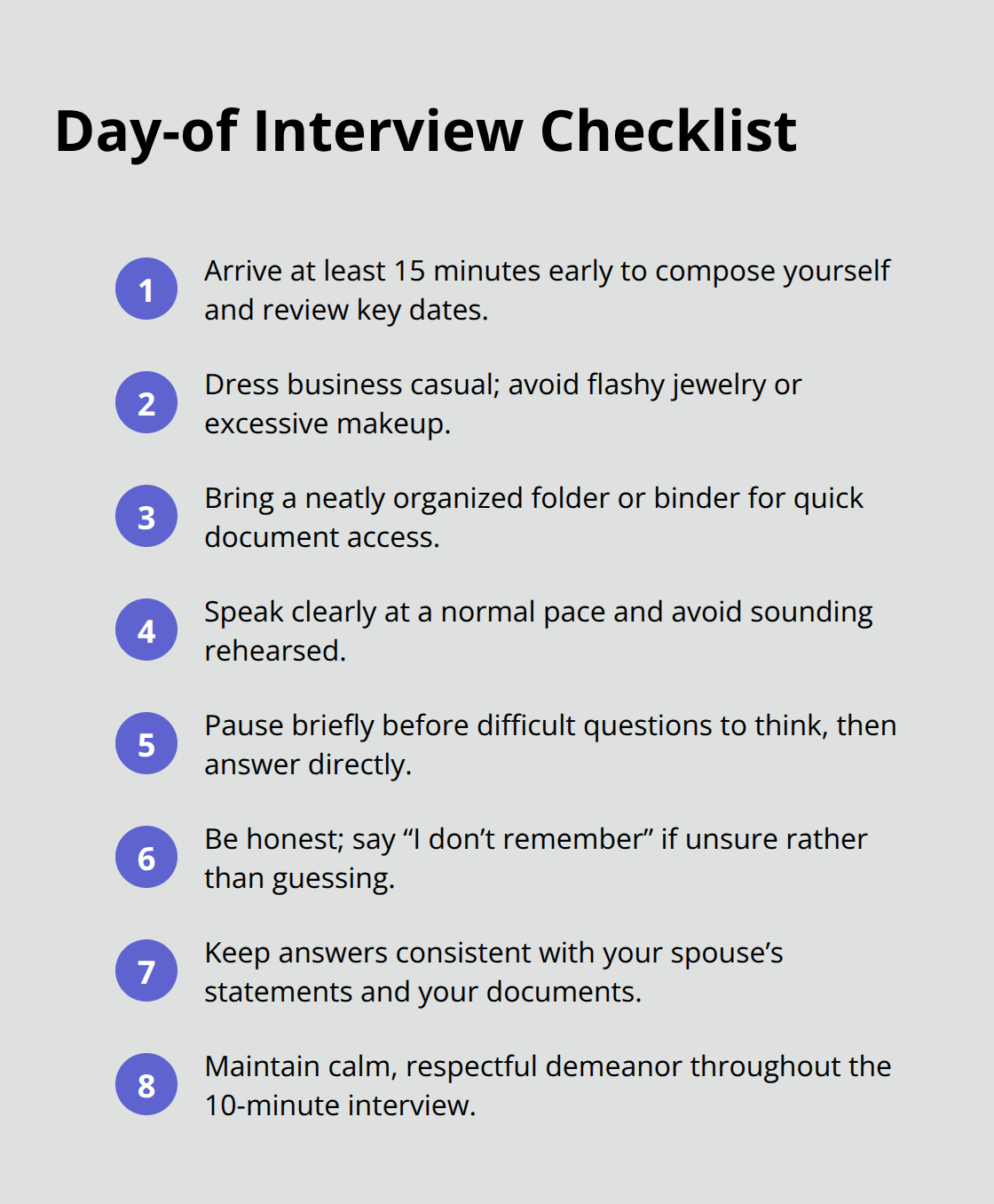
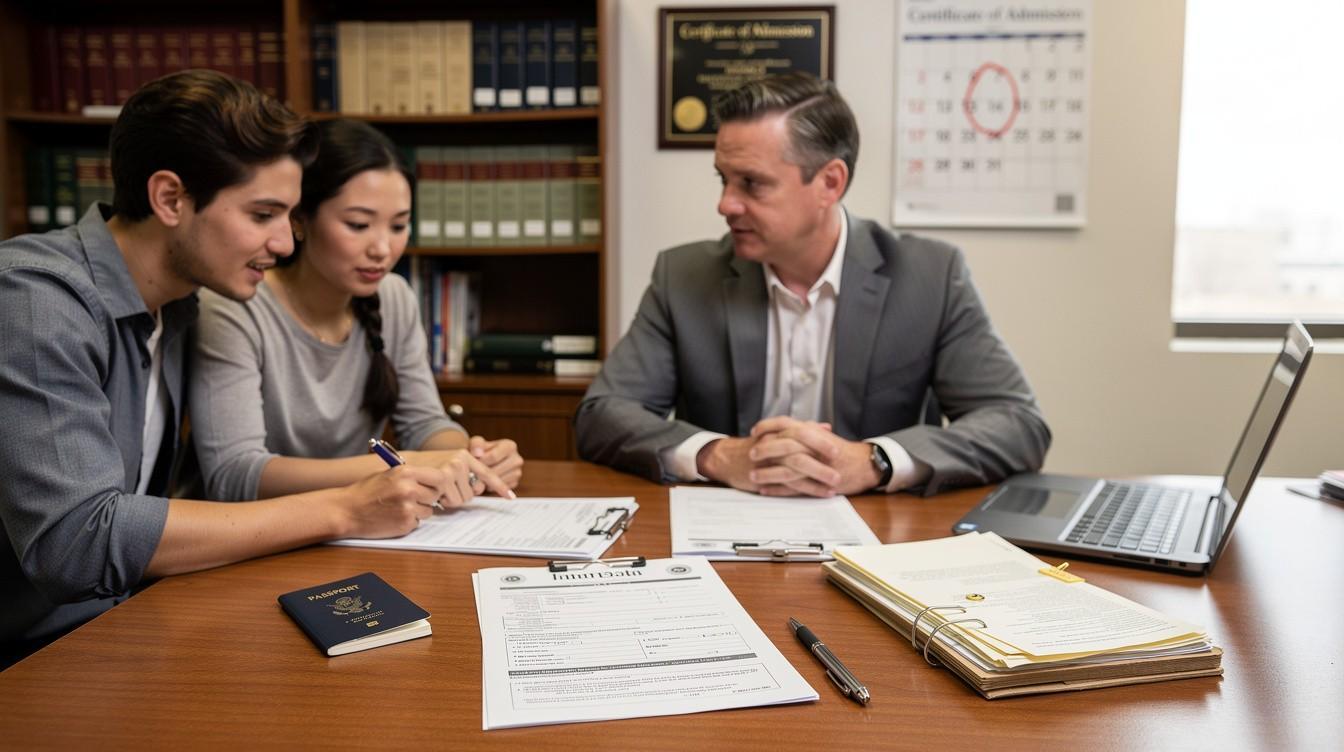
Bring all documents in a neat, organized folder or binder so you can locate any item instantly when asked. This demonstrates you take the interview seriously and have prepared thoroughly.
Speak Clearly and Answer Questions Directly
Your spoken answers must be clear, direct, and honest. Speak at a normal pace-many nervous applicants rush through answers, which makes them sound rehearsed or evasive. Pause briefly before you answer difficult questions; this shows you’re thinking rather than reciting memorized lines. If you don’t know an answer, say “I don’t remember” or “I’m not sure” rather than guessing or making something up. Inconsistencies between what you and your spouse say are red flags that can derail your case, so accuracy matters more than having a polished response. The officer will watch for signs you’re reading from a script or responding to cues your spouse gives. When couples answer with natural variation in phrasing while maintaining consistent facts, that signals authenticity.
Show Genuine Emotion About Your Relationship
Show genuine emotion about your relationship-ensure you and your spouse are on the same page about key moments in your relationship and your plans together. This doesn’t mean crying or being overly theatrical; it means allowing your natural feelings about your spouse to come through in your tone and facial expressions. Couples who answer personal questions with complete flatness or robotic precision appear suspicious, as if they’re performing rather than sharing their actual experience. Let your genuine care for your spouse be evident in how you speak about them and your life together. The officer listens not just to what you say but to how you say it, and authenticity in your voice carries weight in the evaluation of your case.
Final Thoughts
Your spousal visa interview success rests on three pillars: thorough preparation, honest answers, and organized documentation that aligns with your testimony. The couples who succeed treat this process seriously and prepare methodically, ensuring their documents match their spoken words and their spouse’s answers match theirs. Red flags emerge when gaps appear between what you say and what you’ve documented, so consistency across all three areas determines whether you advance or face delays.
After your interview concludes, the consular officer will inform you of approval or request additional evidence. If approved, you’ll receive your immigrant visa within weeks and proceed with travel to the United States. If the officer requests more documents, respond promptly with exactly what was asked, as delays are frustrating but avoidable with proper preparation beforehand.
Immigration matters involve both legal complexity and personal stakes, and these spousal visa interview tips work best when paired with professional guidance. If you have concerns about red flags in your case, if your timeline seems rushed, or if you want expert review before your interview, contact Law Offices of Jeffrey A. Thompson for assistance. Attorney Thompson specializes in immigration law and helps clients navigate every stage of the spousal visa process, identifying weaknesses early and strengthening your presentation so your American dream becomes reality.
Share this post: